
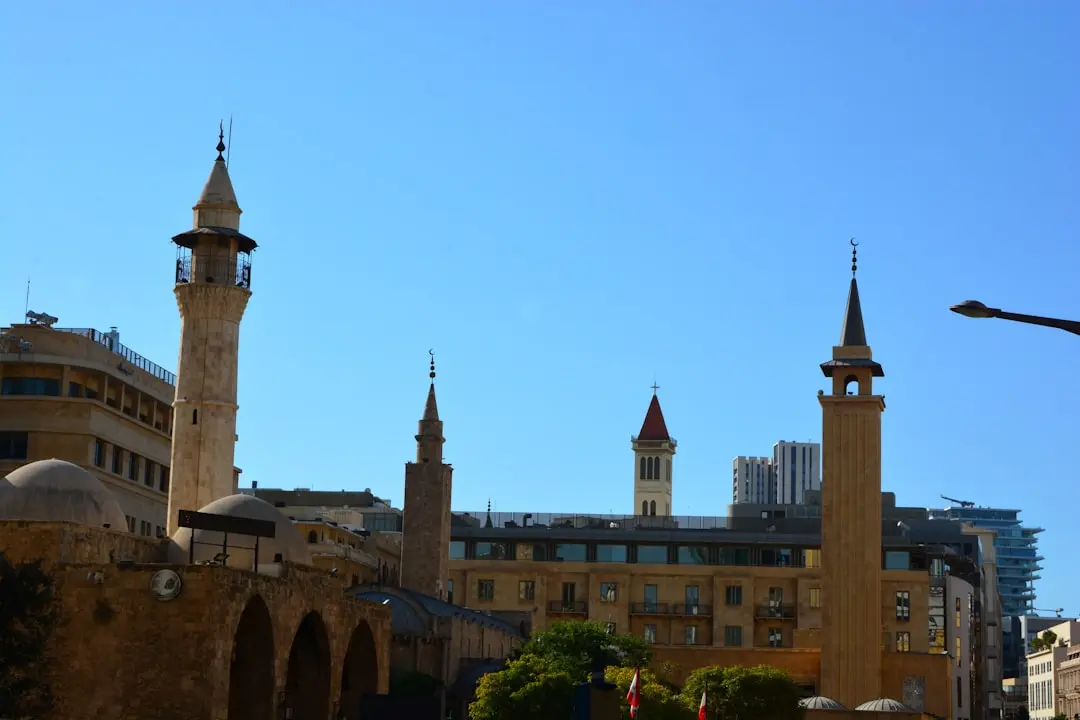
Beirut Travel Costs in 2026: Backpacker, Nomad & Luxury Budgets
Lebanon · Middle EastBeirut's gritty charm meets Mediterranean glamour — the 'Paris of the Middle East' offers budget hostels, street-side schwarma, and glitzy beach clubs. The summer festival season (Byblos, Baalbeck) is in full swing, and the lira's collapse makes prices surprisingly low for foreigners. Expect power cuts and edgy energy, but an unforgettable, chaotic vibe.
Is Beirut Expensive? The Short Answer
No — Beirut is cheap. At $25 a day for backpacker travel it undercuts 83% of the 399 destinations we track.
- A short trip of 4 nights costs about $100, excluding flights.
- A week costs about $175; a month is about $750.
- That works out at $25 a day for backpacker travel.
Living in Beirut: Backpacker Guide for 2026
Beirut is a backpacker paradox: a city that should be intimidating, yet draws you in with its raw energy, crumbling Ottoman facades, and a Mediterranean coastline that costs nothing to enjoy. The summer scene is electric — the Byblos and Baalbeck festivals bring international acts to ancient ruins just a short bus ride away, while the Corniche is a free, breezy promenade perfect for people-watching and sunset splashes. This isn't Thailand, but it's authentic and hungry for travelers who want to understand the Middle East beyond headlines. Hostel common rooms are intimate, so you'll connect with fellow travelers quickly.
Dorm beds start at $10–15 in gems like Saifi Urban Gardens or the lively Youth Hostel in Gemmayzeh. Lunch is a $2 manoushe from a hole-in-the-wall bakery, and dinner could be a plate of hummus and kibbeh for $5 at a family-run spot in Hamra. For free fun, explore the street art and underground bars of Mar Mikhael, tour the old souks (many still in ruin, hauntingly beautiful), or hike the pine forest of Horsh Beirut. Beach day? Hit the public beach at Ramlet el Bayda and pay for a sunbed rather than a club. Don't skip the sunset from Pigeon Rocks — it's free and legendary.
Stay in Gemmayzeh or Mar Mikhael for art and nightlife, Hamra for cheap street eats and a student vibe, or Achrafieh for safer, tree-lined streets. Avoid taxi scams: use the Careem app and agree on meter-like fares. Power cuts are common, so carry a flashlight and download offline maps.
Budget $25/day: $12 dorm, $8 food, $5 transport and street coffee. With the lira's black-market rate, your dollar goes far. Beirut is chaotic, loud, and alive — go with patience and you'll leave with stories that make your mates jealous.
How Much Does Beirut Cost? Daily and Monthly Budget
| Travel style | Day | Week | Month |
|---|---|---|---|
🎒BackpackerHostels, street food, public transport | $25/day | $175/week | $750/month |
💻Digital NomadPrivate room, cafes, coworking spaces | $70/day | $490/week | $2100/month |
✨LuxuryHotels, fine dining, private transfers | $300/day | $2100/week | $9000/month |
Internet Speed in Beirut for Remote Work
Where to Stay in Beirut: Best Neighborhoods
Gemmayzeh & Mar Mikhael
$The bohemian heart of Beirut, packed with art galleries, rooftop bars, and old Lebanese houses. By night it's the city's pub crawl paradise; by day, street art and antique shops. Great for backpackers and nomads wanting a central, social base.
Hamra
$A bustling, old-fashioned shopping and student district with bookshops, universities, and maybe Beirut's most authentic street-food scene. Cheap guesthouses and budget eateries make it ideal for backpackers, while a few classic cafés offer laptop tables.
Achrafieh
$$Upscale, tree-lined quarters with fine dining, luxury boutiques, and embassies. It's Beirut's most stable and safer neighborhood, perfect for nomads on a budget upgrade or travelers wanting quality. Prices reflect its status.
Ain el Mraisseh
$$The seafront address of five-star hotels, with the Corniche at your doorstep and sweeping Mediterranean views. This is where luxury travelers base themselves, though the area can feel a bit quiet outside hotels.
Weather in Beirut This Week
Pros and Cons of Living in Beirut
Pros
- +Very affordable for foreigners (lira crisis)
- +Delicious Middle Eastern food
- +Lively nightlife and bar scene
- +Rich history and Roman heritage
- +Beautiful Mediterranean coastline
- +Summer music festivals (Byblos, Baalbeck)
- +Warm and welcoming locals
- +Easy visa on arrival for many passports
- +Luxury experiences at bargain prices
- +Proximity to mountains, cedars, and beaches
Cons
- -Frequent power cuts and infra issues
- -Political instability and protests
- -Safety concerns in some areas
- -Poor public transport
- -Cash-only economy and banking crisis
- -Unreliable internet and mobile data
- -State of some buildings (war damage)
- -Traffic congestion
- -Street harassment in certain tourist pockets
- -Bureaucratic immigration processes for extensions
Beirut FAQ: What Travelers Ask Most
Beirut isn't the 'war zone' media depicts, but it's not a stress-free city either. Tourist hubs like Hamra and Gemmayzeh are generally safe by day and there's a visible police presence; avoid border regions and protests. Keep your belongings close and check travel advisories the week before you go.
Spring (April–June) and autumn (September–November) offer mild temperatures and fewer crowds. Summer (July–August) is scorching but alive with the Byblos and Baalbeck festivals, plus beach life. Winter has skiing in the mountains just an hour away, making Beirut a year-round destination.
Most U.S., U.K., EU, Canadian, and Australian passport holders get a free 30-day visa on arrival at Beirut–Rafic Hariri Airport. Ensure your passport is valid 6 months, have a hotel booking handy, and have no Israeli stamps or visas — those are denied entry.
Internet is decent by regional standards but unstable: average download speeds around 20–30 Mbps with occasional outages and frequent power cuts. Coworking spaces like Beirut Digital District provide reliable fiber and backup generators, so nomads usually work there.
Yes, but with caveats. The presence of international organizations and universities creates a small nomad-friendly infrastructure. You'll need a backup power source and gigs that don't depend on 24/7 connectivity. The low cost of living makes long stays appealing, though visa extensions require paperwork.
Beirut isn't a classic backpacker trail, but the hostels in Gemmayzeh have a close-knit, social vibe where you'll easily meet other travelers. Budget food is superb, many cultural sites are free or under $5, and the summer festivals attract young crowds.
Backpackers can manage on $25–30/day with hostels and street food. Digital nomads typically spend $60–80/day for an apartment, coworking, and dining out. Luxury travelers get five-star rooms and fine dining for around $250–350/day — a fraction of what Paris or Dubai would cost.
Cities Near Beirut
The closest destinations across the border, with distance and daily cost
Best Places to Visit in Middle East
Top-scoring destinations in the same part of the world.
Quick Facts
- Global Rank
- #121 of 399
- Region
- Middle East
- Timezone
- Beirut
- Weather
- 25.7°C · Sunny
- Backpacker
- $25/day
- Digital Nomad
- $70/day
- Luxury
- $300/day
- Monthly (backpacker)
- $750
- Download
- 30 Mbps
- Upload
- 15 Mbps
Score by Travel Style
Do You Need a Visa for Beirut?
Tourists from many Western countries (US, UK, EU, Canada, Australia) can get a free 30-day visa on arrival. You must have a passport valid at least 6 months, and no Israeli visas or stamps — those are barred. Extensions to 3 months are possible via the General Security office in Beirut.
Is Beirut Safe?
Beirut has a mixed safety landscape. Central tourist areas like Gemmayzeh, Hamra, and Achrafieh are generally okay by day, but petty crime and protests erupt anywhere. Travel advisories from many governments warn of unpredictable security; avoid border regions and always register with your embassy.