
Japan Travel Costs in 2026
Asia5 destinations to explore. Daily costs average $41 with internet speeds around 144 Mbps and a safety rating of 10.0/10.
Fukuoka is a vibrant Japanese city known for yatai street food, ancient temples, and a relaxed vibe. August brings Obon celebrations and summer fireworks, perfect for those who want to experience local culture. With excellent transport and lower prices than Tokyo, it's a great base for exploring Kyushu.
Osaka is Japan's street-food capital, buzzing with summer energy during Obon and firework festivals. Cheap eats, friendly locals, and fewer crowds than Tokyo make it a top-value city. Whatever your style, Osaka delivers big flavors with a warm Osaka smile.
Japan Travel Costs at a Glance
- Japan currently has 5 indexed destination pages on this site.
- Average daily cost for backpacker travel is about $41, with an average score of 6.4/10.
- Top-rated city is Fukuoka and the most affordable option is Osaka.
- Average fixed internet speed is 144 Mbps and safety is 10.0/10 based on current dataset values.
Is Japan Expensive?
Yes, Japan is expensive by Asian standards, but it is not outrageous for a high-income country with an efficient tourism machine. The averages on this site say a backpacker pays $41/day ($1,230/month), a digital nomad $83/day ($2,490/month), and a luxury visitor $320/day ($9,600/month). Japan imports nearly all of its energy and much of its food, and the yen has been soft for foreign visitors, which keeps hotel and rail prices in US-dollar terms lower than they were in 2019. The built infrastructure — bullet trains, ubiquitous convenience stores, immaculate hostels — commands the price.
The real money goes to accommodation and transport. Tokyo and Kyoto business hotels start around $70–$100 a night, while a dorm bed in a central hostel is $25–$45. The Shinkansen between Tokyo and Osaka is $115–$130 one way without a pass, and long-distance buses, though cheaper, still run $35–$60. Food is the one bargain: a filling bowl of ramen costs $8–$15, and convenience-store breakfasts are a few dollars. Seasonality hits hard — cherry-blossom weeks push Tokyo hotel prices up 50% or more. The site’s safety score is a perfect 10/10, and fixed internet averages 144 Mbps, so the higher cost buys you a country where you can rely on everything working.
How Much Does It Cost to Travel in Japan?
The price variation inside Japan is real but smaller than most first-time visitors expect. At the backpacker level, the cheapest destination on this site is Osaka at $40/day, while the priciest is Tokyo at $45/day — a difference of only $5, driven by slightly cheaper hostels, casual eateries and beer in Osaka. Kyoto, Fukuoka and Okinawa slot in between: Kyoto costs a little more because of tourist-geared accommodation, while Fukuoka and Okinawa are cheaper on food and local transport but can be more expensive to reach.
For a realistic daily budget, think in these bands. A genuine budget traveller who stays in dorm rooms, eats at ramen shops and convenience stores, and limits paid sights can get by on $40–$55 a day anywhere except Tokyo, where $45–$60 is safer. A mid-range trip — private double room in a business hotel, two proper meals, one paid attraction and a mix of rail and local trains — lands at $80–$120 a day, which is close to the site’s digital-nomad average of $83/day. If you want comfort, with a nicer hotel in a central location, sit-down dinners and the occasional taxi, plan on $150–$250 a day; staying in a luxury ryokan, especially in a hot-spring town, will push you toward the site’s $320/day luxury average.
Best Time to Visit Japan
The country’s travel calendar is defined by two price spikes and two value windows. The biggest spike is late March to mid-April for cherry-blossom season, when Tokyo and Kyoto hotels can double and it’s nearly impossible to find a dorm bed for under $40 a night. The second is the New Year break from December 29 to January 4, when families travel and ryokan rates hit their peak. Golden Week (late April to early May) and the Obon festival in mid-August are also domestic travel peaks, pushing up train tickets and hotel prices across the country.
The actual value window is the shoulder months of late May to June, and September to early November. Late May is mild and pleasant, with fewer crowds than spring and prices back to normal. September to early November brings dry, comfortable days and good hiking, though avoid the October national-holiday weekends, when domestic travel climbs. Winter, from December to February, is genuinely cheap outside the New Year week, especially in Tokyo and Fukuoka, though Kyoto’s sights are quieter and colder. Okinawa is the exception: it’s most expensive in summer, its peak beach season, and cheapest in the shoulder months of May and October.
Getting Around Japan
Between Tokyo, Osaka and Kyoto, the Shinkansen is the easiest and most scenic option. Tokyo–Osaka takes about 2.5 hours and costs roughly $115–$130 one way for a non-reserved seat; Osaka–Kyoto is 30 minutes and around $25. Long-distance buses are dramatically cheaper — Tokyo–Osaka can drop to $35–$50 on night services with reclining seats, though they add seven to eight hours. For Fukuoka, the Shinkansen is possible at about five hours from Tokyo and $180–$200, but a domestic flight via low-cost carriers such as Peach or Jetstar Japan is often faster and sometimes similar in cost if you book a couple of weeks out.
Okinawa is the outlier: you cannot reach it overland. You need a direct flight from Tokyo (2h40m, typically $120–$200 on Skymark, Solaseed Air, ANA or JAL) or from Kansai (2h, $100–$180). A ferry from Kagoshima to Naha takes more than 20 hours and is impractical for a short trip. Within the mainland, a rental car is useful in rural areas like Hokkaido or Shikoku but unnecessary and expensive in Tokyo, Osaka and Kyoto, where parking runs $30–$60 a day. The Japan Rail Pass no longer covers the Nozomi and Mizuho Shinkansen services, so factor that into your rail budget.
Visas, Money and Entry Rules for Japan
Most travellers from the US, UK, Canada, Australia and the EU enter Japan visa-free for tourist stays of up to 90 days. Other passport holders should check the Ministry of Foreign Affairs website before booking; some nationalities need a visa even for a week. You need a passport valid for the entire stay, a return or onward ticket, and you may be asked to show proof of sufficient funds. There is also no guarantee of entry if you’ve been refused before, and a visa-free entry is always at an officer’s discretion.
The currency is the Japanese yen (JPY). Cash is still expected in many rural inns, temples and smaller shops, but you can use cards at most city hotels, convenience stores and chain restaurants. Tipping is not practised; don’t try to tip at restaurants or taxis. The best money method is to withdraw from a 7-Eleven, Japan Post Bank or Mizuho ATM with your foreign card — they charge about $1–$2 per transaction. Avoid airport money-changers, which take a 4–5% commission. One trap is that some ATMs in smaller towns close at midnight, so withdraw during the day. Another is that you should also bring a small amount of yen as a backup for the handful of shops that still don’t accept cards. Japan’s safety is a perfect 10/10 on this site, fixed internet averages 144 Mbps, and Fukuoka rates 8.2/10 for remote workers, so you can travel light and stay connected.
All Destinations in Japan
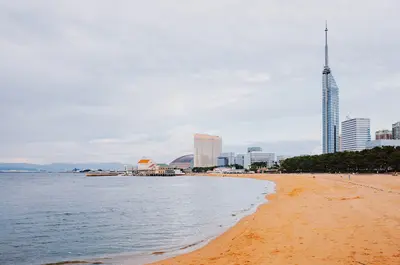 🇯🇵
🇯🇵Fukuoka
7.0 · GreatFukuoka is a vibrant Japanese city known for yatai street food, ancient temples, and a relaxed vibe. August brings Obon celebrations and summer fireworks, perfect for those who want to experience local culture. With excellent transport and lower prices than Tokyo, it's a great base for exploring Kyushu.
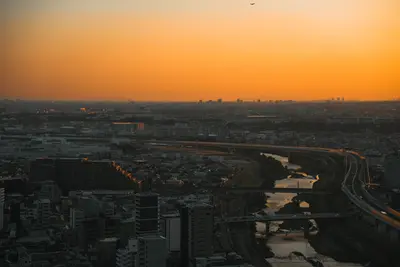 🇯🇵
🇯🇵Osaka
6.5 · GoodOsaka is Japan's street-food capital, buzzing with summer energy during Obon and firework festivals. Cheap eats, friendly locals, and fewer crowds than Tokyo make it a top-value city. Whatever your style, Osaka delivers big flavors with a warm Osaka smile.
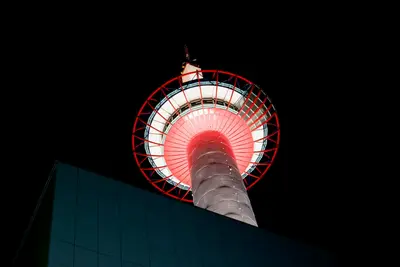 🇯🇵
🇯🇵Kyoto
6.4 · GoodKyoto in August is a mystical mix of Obon and the fiery Daimonji bonfire on Aug 16. Budget travelers can explore free temples and eat konbini meals; nomads will find blazing internet; and luxury seekers can enjoy ryokan stays with private bonfire views. Hot and humid, but the atmosphere is truly unmatched.
 🇯🇵
🇯🇵Okinawa
6.2 · GoodOkinawa blends tropical beaches, unique Ryukyu heritage, and warm hospitality. This August, the island erupts into Obon celebrations with eisa drumming and bonfires, offering a dazzling cultural backdrop. Safe, beautiful, and calmer than mainland Japan, it's a refreshing escape for every travel style.
 🇯🇵
🇯🇵Tokyo
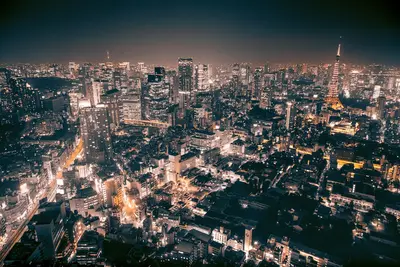
6.0 · GoodTokyo in August is a fever dream of neon, lanterns, and ceremonies as Obon brings the city to life. Michelin-starred street food, futuristic capsule hostels, and flawless transport make it a unique destination. Costs are steep, but experiences are priceless.