
Tokyo Travel Costs in 2026: Backpacker, Nomad & Luxury Budgets
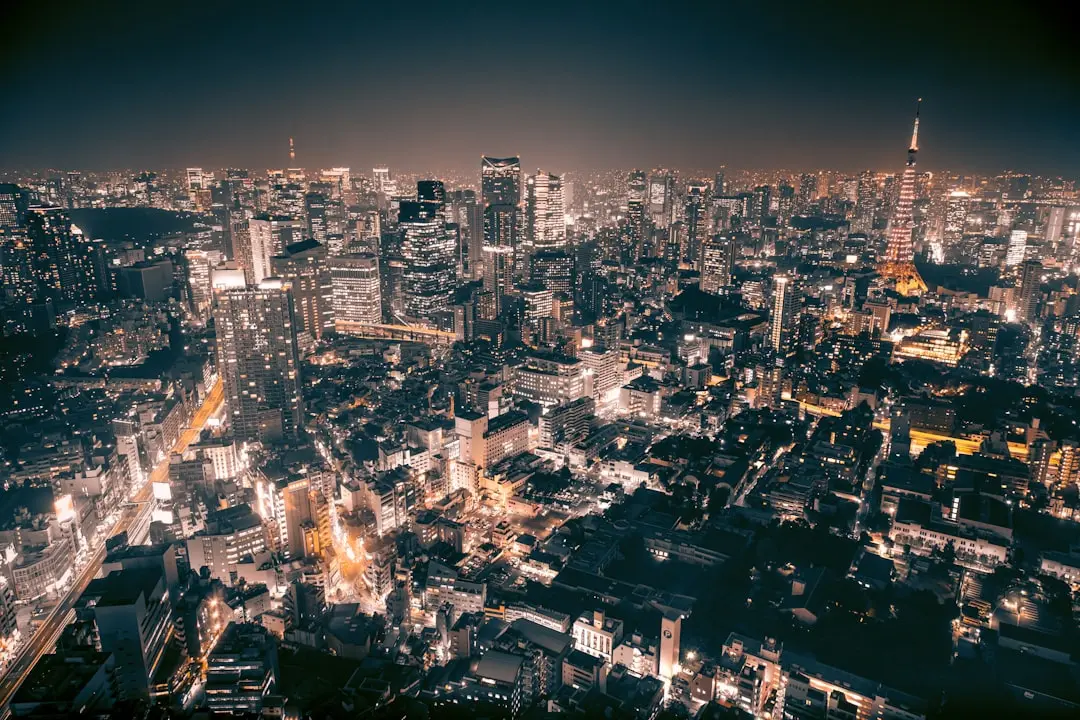
Japan · AsiaTokyo in August is a fever dream of neon, lanterns, and ceremonies as Obon brings the city to life. Michelin-starred street food, futuristic capsule hostels, and flawless transport make it a unique destination. Costs are steep, but experiences are priceless.
Is Tokyo Expensive? The Short Answer
Tokyo is mid-range. At $45 a day for backpacker travel it costs more than 56% of the 399 destinations we track.
- A short trip of 4 nights costs about $180, excluding flights.
- A week costs about $315; a month is about $1350.
- That works out at $45 a day for backpacker travel.
Living in Tokyo: Backpacker Guide for 2026
Tokyo in August is a paradox—one of the world's priciest cities, yet a paradise for clever budget travelers. Right now, the city is buzzing with Obon celebrations; lanterns drift through Asakusa and traditional bon dances erupt in parks, offering free front-row seats to Japan's living heritage. The humidity is intense, but the energy is electric, and the sheer volume of free festivals, night markets, and quirky subcultures means you'll never run out of cheap things to do.
For accommodation, skip the hotel districts and head to capsule hostels and budget guesthouses in Asakusa, Ueno, or Khaosan. A bed in a clean, social hostel runs ¥3,000–¥5,000 ($20–$35) a night, with smart, futuristic capsule hotels offering a taste of Japan's coolest sleeping experience for the same price. Food is your best friend: ramen bowls, conveyor-belt sushi, and donburi bowls cost ¥500–¥1,000 ($3–$7), while konbini (convenience store) snacks like onigiri and fried chicken feed you for under $5. Free attractions include Senso-ji Temple, Meiji Shrine, exploring the neon streets of Shinjuku, and people-watching at Shibuya Crossing—the world's busiest intersection.
For the heart of backpacker life, stay in Asakusa—jam-packed with hostels, izakayas, and strollable lanes that scream old-school Japan. Ueno is a close second with its park, zoo, and museum cluster; you can picnic for free after hitting Ameyoko Market's cheap stalls. Shinjuku and Shibuya are pricier but still have hostel outposts, and being there at night is an experience in itself. Skip taxis and use the incredible Tokyo Metro—a day pass is about ¥800 ($5.50).
Realistically, a backpacker will spend $40–$60 a day: $25–$35 for a hostel, $10–$15 for food, $5 for transport, and a little extra for a beer or museum entry. To stretch your yen, visit supermarkets late for half-price bento boxes, hit 100-yen shops for toiletries, and travel with a portable water filter. Tokyo feels expensive on paper, but with a few savvy tricks, you can live the full Tokyo experience without burning a hole in your wallet—and the memories will last a lifetime.
How Much Does Tokyo Cost? Daily and Monthly Budget
| Travel style | Day | Week | Month |
|---|---|---|---|
🎒BackpackerHostels, street food, public transport | $45/day | $315/week | $1350/month |
💻Digital NomadPrivate room, cafes, coworking spaces | $120/day | $840/week | $3600/month |
✨LuxuryHotels, fine dining, private transfers | $450/day | $3150/week | $13500/month |
Internet Speed in Tokyo for Remote Work
Where to Stay in Tokyo: Best Neighborhoods
Asakusa
$Tokyo's old-town heart, with Senso-ji Temple, traditional streets, and a canal-side atmosphere. Budget hostels and ryokans fill the area, making it perfect for backpackers.
Shinjuku
$The neon-soaked epicenter of nightlife, business, and entertainment. It has everything from luxury skyscrapers to tiny yakitori bars, suiting all budgets.
Shibuya
$Trendy, youthful, and chaotic, dominated by the world-famous Shibuya Crossing. Great for fashion, cafes, and people-watching.
Ginza
$$Tokyo's luxury district, gleaming with high-end department stores, art galleries, and flagship boutiques. Exclusive restaurants and high-end hotels define the area.
Weather in Tokyo This Week
Pros and Cons of Living in Tokyo
Pros
- +World-class public transport that runs 24/7
- +Phenomenal street food and Michelin-starred dining
- +Safe and exceptionally clean even in packed areas
- +Deep mix of ancient temples and futuristic skyscrapers
- +Japanese culture and hospitality that is unrivaled
- +Excellent internet connectivity almost everywhere
- +Unique seasonal experiences like cherry blossom and Obon
- +Modern capsule hostels and ryokans offer quirky stays
- +English signs and tourist-friendly infrastructure all over
- +Easy weekend trips to Kyoto, Fuji, or Hakone
Cons
- -One of the most expensive cities in the world
- -Summer heat is suffocatingly humid
- -Language barrier outside tourist hubs
- -Limited late-night dining outside major districts
- -Visa runs can be tricky for long-term nomads
- -Rental contracts often require guarantors
- -Nightlife is expensive compared to SE Asia
- -During Obon many locals travel, causing crowded trains
- -Frequent typhoons from August to October
- -Hard to find truly authentic budget food near tourist spots
Tokyo FAQ: What Travelers Ask Most
Yes, Tokyo is remarkably safe. Violent crime is minimal, and even late-night strolls in areas like Shinjuku are generally okay. Pickpocketing is rare, but keep an eye on your belongings on crowded trains and follow local etiquette.
April's cherry blossoms and late autumn (October–November) offer mild, beautiful weather. August is hot and humid but coincides with Obon and fireworks festivals. Winters are crisp and clear, with less crowds. For festivals, try the summer months.
Most Western countries (US, UK, EU, Australia, Canada) get visa-free entry for up to 90 days for tourism. For longer stays, you may need a visa or consider a Working Holiday visa if eligible. Check with the Japanese Ministry of Foreign Affairs for current rules.
Tokyo has fantastic internet with average download speeds exceeding 100 Mbps. Most cafes and hotels provide free Wi-Fi, and coworking spaces offer gigabit connections. Cellular data via eSIM or prepaid SIM is also fast and reliable.
Yes, Tokyo is remote-work friendly with fast internet, numerous coworking spaces, and plenty of cafes. However, the cost of living is high and visas for long-term work are difficult, so many nomads stay for the visa-free period or use short-term apartments.
It's less 'hostel-hop' than Southeast Asia but still strong. There are plenty of social hostels in Asakusa and Khaosan Tokyo, many with English-speaking staff and organized pub crawls. You'll meet a mix of budget travelers and curious locals.
A backpacker can scrape by on $45–$65/day with capsule hostels and konbini meals. A mid-range tourist/foodie will spend around $100–$150/day. Luxury travelers can easily drop $400+ on a 5-star hotel and gourmet dinners.
Cities Near Tokyo
The closest destinations across the border, with distance and daily cost
Best Places to Visit in Asia
Top-scoring destinations in the same part of the world.
Quick Facts
- Global Rank
- #192 of 399
- Rank in Japan
- #5 of 5
- Region
- Asia
- Timezone
- Tokyo
- Weather
- 22.7°C · Overcast
- Backpacker
- $45/day
- Digital Nomad
- $120/day
- Luxury
- $450/day
- Monthly (backpacker)
- $1350
- Download
- 150 Mbps
- Upload
- 50 Mbps
Score by Travel Style
Do You Need a Visa for Tokyo?
Many nationalities (US, EU, Australia, etc.) enjoy visa-free entry for short stays up to 90 days. For longer stays, consider a Working Holiday visa (available to select countries) or extend as a tourist via exit/re-entry, though this is not officially guaranteed. Check your specific passport with the Japanese Embassy.
Is Tokyo Safe?
Tokyo is one of the safest major cities on earth. Violent crime is exceptionally rare, even in the late-night districts of Roppongi or Shinjuku. Exercise common sense on crowded trains and follow local etiquette for a smooth stay.