
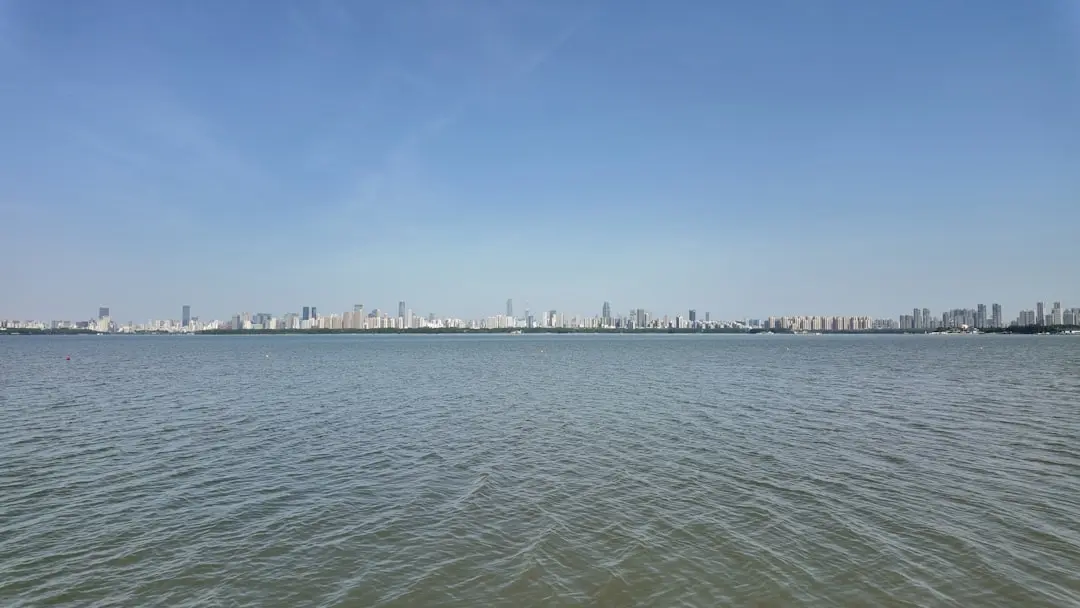
Wuhan Travel Costs in 2026: Backpacker, Nomad & Luxury Budgets
China · AsiaWuhan, China's central powerhouse, offers a fascinating mix of old and new, with the majestic Yellow Crane Tower and vibrant street food. Its hot summer is tempered by the annual Qixi Festival on August 19, adding a romantic glow to the city's lakes and rivers. Affordable and safe, it's an underrated stop for travelers seeking authentic China.
Is Wuhan Expensive? The Short Answer
No — Wuhan is cheap. At $25 a day for backpacker travel it undercuts 83% of the 399 destinations we track.
- A short trip of 4 nights costs about $100, excluding flights.
- A week costs about $175; a month is about $750.
- That works out at $25 a day for backpacker travel.
Living in Wuhan: Backpacker Guide for 2026
Wuhan — a city that flies under most backpacker radars — offers incredible value in the heart of China. With a bowl of legendary hot dry noodles costing just a dollar and dorm beds under $8, it’s a true budget paradise. The summer heat is intense, but that means fewer crowds at major sites like Yellow Crane Tower and East Lake, and the upcoming Qixi Festival (August 19) brings free parades, folk performances, and a romantic atmosphere across the city.
For cheap stays, check out hostels near Jianghan Road or the Wuchang university district, where beds run $5—10. Street food is the highlight: eat your way through Hubu Lane and Jiefang Park night market for under $3 a meal. Free activities include strolling the Yangtze River bridges, watching the nightly light show, and exploring the Hubei Provincial Museum’s dazzling collection of Zeng-Hou-Yi bronzes.
The best budget neighborhoods are Wuchang’s campus area (sixty cents for a bus ride, cheap dumpling joints everywhere) and Hankou’s old town, where you can find authentic local life and cheap eats. Avoid the touristy core near the Yellow Crane Tower for accommodation unless you’re okay with higher prices.
A daily backpacker budget breaks down like this: bed $7, street food $5, transport $2, and maybe $3 for a beer or entrance fee — totalling $17. To save even more, buy food from bakeries and supermarkets, rent a bike for $2 a day instead of taxis, and stay in hostels that offer free tea. Wuhan isn’t just a stopover; it’s a budget-friendly adventure waiting to be discovered.
How Much Does Wuhan Cost? Daily and Monthly Budget
| Travel style | Day | Week | Month |
|---|---|---|---|
🎒BackpackerHostels, street food, public transport | $25/day | $175/week | $750/month |
💻Digital NomadPrivate room, cafes, coworking spaces | $40/day | $280/week | $1200/month |
✨LuxuryHotels, fine dining, private transfers | $220/day | $1540/week | $6600/month |
Internet Speed in Wuhan for Remote Work
Where to Stay in Wuhan: Best Neighborhoods
Jianghan Road & Hankou Historical Area
$This bustling pedestrian street is lined with colonial-era architecture, shops, and endless food stalls. It's the city's heart for nightlife and people-watching, with mid-range prices and easy access to the Yangtze River.
East Lake & Optics Valley
$$East Lake, China's largest urban lake, offers scenic parks and upscale hotels. Optics Valley is the tech hub with modern amenities, coworking spaces, and a mix of trendy cafés and high-end restaurants.
Wuchang University District
$Located around Wuhan University, this area buzzes with student life, cheap eateries, and affordable hostels. It's ideal for budget travelers wanting a taste of local academia and night markets.
Weather in Wuhan This Week
Pros and Cons of Living in Wuhan
Pros
- +Extremely low cost of living
- +Delicious local cuisine (hot dry noodles, duck neck)
- +Safe and friendly environment
- +Rich history and cultural sites (Yellow Crane Tower, Hubei Provincial Museum)
- +Fast internet infrastructure
- +Efficient metro system
- +Central hub for exploring other Chinese cities
- +Beautiful East Lake for recreation
- +Modern amenities and growing international community
- +Unique blend of old and new China
Cons
- -Brutal summer humidity and heat
- -Air quality can be poor during smog events
- -Language barrier outside tourist areas
- -International websites and apps blocked without VPN
- -Limited international digital nomad community
- -Luxury options not as extensive as Shanghai or Beijing
- -Crowded public spaces and tourist sites
- -Some areas can feel overwhelming
- -Visa process can be complicated for longer stays
- -Less developed for Western tourism
Wuhan FAQ: What Travelers Ask Most
Wuhan is generally very safe, with low crime rates. Petty theft can occur in crowded tourist spots, so keep valuables secure. The city has a strong police presence, and medical facilities are excellent.
The best times are spring (March to May) and autumn (September to November) when temperatures are mild. Summers are hot and humid, while winters are cold but not icy. The Qixi Festival in August is a romantic time, but be prepared for heat.
Most nationalities need a tourist visa (L visa) for China, but 15-day visa-free transit policies apply to many countries. Some countries (e.g., Singapore, Brunei) have 30-day visa-free access. Check the latest regulations with the Chinese embassy.
Internet speed is excellent, often exceeding 100 Mbps, but the Great Firewall blocks many international sites. A reliable VPN is essential for using Google, social media, and other foreign services. Local internet is very fast.
Yes, with caveats. The fast internet and low living costs are attractive, but visa restrictions and VPN requirements can be challenging. Many nomads use it as a short-term base or combine it with travel to Hong Kong or other countries.
It's modest but growing. A few budget hostels near universities and train stations offer cheap beds and some social events. The low cost of food and transport attracts budget travelers, but it's not as backpacker-oriented as Hanoi or Bangkok.
Budget travelers can get by on $20–30/day with hostels and street food. Digital nomads might spend $40–60/day for an apartment and comfort. Luxury travelers can indulge for $200–300 per day.
Cities Near Wuhan
The closest destinations across the border, with distance and daily cost
Best Places to Visit in Asia
Top-scoring destinations in the same part of the world.
Quick Facts
- Global Rank
- #72 of 399
- Rank in China
- #7 of 13
- Region
- Asia
- Timezone
- Shanghai
- Weather
- 23.8°C · Cloudy
- Backpacker
- $25/day
- Digital Nomad
- $40/day
- Luxury
- $220/day
- Monthly (backpacker)
- $750
- Download
- 100 Mbps
- Upload
- 50 Mbps
Score by Travel Style
Do You Need a Visa for Wuhan?
China requires visas for most nationalities, but the 15-day visa-free transit policy applies to many countries if you're passing through. Some nationalities qualify for 30-day visa-free entry (e.g., Singapore, Brunei). Check the Chinese embassy for your specific passport. The standard L visa allows 30 days as a tourist.
Is Wuhan Safe?
Wuhan is generally very safe, with low crime rates. Petty theft can occur in crowded tourist spots, so keep valuables secure. The city has a strong police presence, and medical facilities are excellent.