
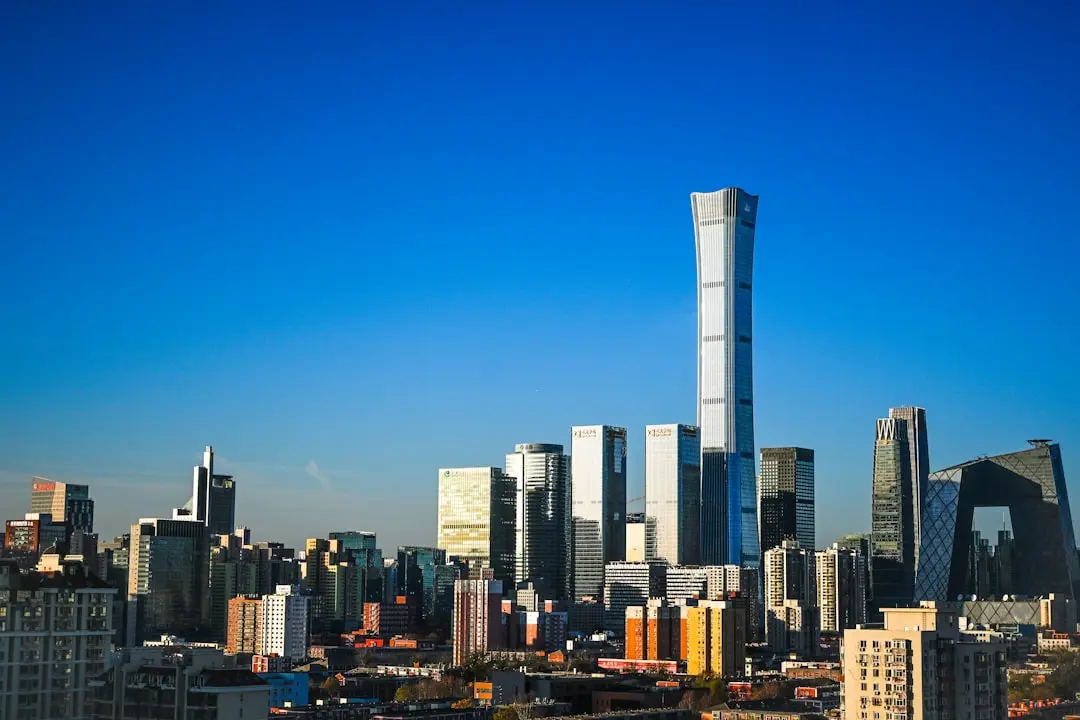
Beijing Travel Costs in 2026: Backpacker, Nomad & Luxury Budgets
China · AsiaBeijing in August is a sizzling mix of ancient grandeur and modern ambition. Peak summer brings long days and the Qixi Festival (Chinese Valentine's Day) to the Temple of Heaven. Expect crowds at the Great Wall and Forbidden City, but also world-class dining and budget-friendly street eats.
Is Beijing Expensive? The Short Answer
Beijing is mid-range. At $30 a day for backpacker travel it undercuts 68% of the 399 destinations we track.
- A short trip of 4 nights costs about $120, excluding flights.
- A week costs about $210; a month is about $900.
- That works out at $30 a day for backpacker travel.
Living in Beijing: Backpacker Guide for 2026
Beijing is an epic stop on any backpacking route through China, offering mind-blowing history at a surprisingly affordable price—provided you steer clear of Western restaurants and dive into local street food. In peak August the city hums with summer energy, and the Qixi Festival (Chinese Valentine's Day) on August 24 brings lantern-lit pop-ups and romantic performances around the Temple of Heaven and Shichahai. Hostels tucked into traditional hutong courtyards give you a cozy, social base for exploring imperial palaces, ancient temples, and the city's famously cheap subway system.
Dorm beds in Dongcheng's courtyard hostels typically run $10–15 a night, many with free bike rentals and rooftop terrace evenings where travelers swap tips. You can eat for under $5 a day if you're smart—grab steaming jianbing crepes from street carts for breakfast, dumplings at a family-run restaurant near Qianmen for lunch, and skewers at Wangfujing Snack Street (try the starfish) for dinner. The must-see Great Wall can be done on a budget: take the S2 suburban train to Badaling for just $1.60, then hike the wild crenellated sections where you'll have the ruins to yourself. Free experiences don't get better than watching tai chi at Temple of Heaven at dawn, wandering the 798 Art District, or catching an opera in a hutong courtyard.
Budget neighborhoods: Dongsi and Nanluoguxiang are the backpacker heart—dozens of hostels, late-night noodle shops, and craft beer bars. You can also check out Beijing West around the train station for cheaper dorms, though it's less charming. Avoid the CBD (Chaoyang) where everything costs twice as much. The subway costs a mere $0.60 per ride and buses even less, so it pays to stay near a line that gets you to the east-west sights quickly.
Your daily budget lands around $28–35: dorm bed $12, street food $8, transport $2, and attractions $5–8 (many parks are under $3, and the Forbidden City is $10). Money-saving tricks: buy a Yikatong transit card, eat where locals queue, and hit the Great Wall on a weekday. Beijing rewards frugal travelers with a cultural immersion you simply don't get in cheaper Southeast Asian stops—it's a rite of passage.
How Much Does Beijing Cost? Daily and Monthly Budget
| Travel style | Day | Week | Month |
|---|---|---|---|
🎒BackpackerHostels, street food, public transport | $30/day | $210/week | $900/month |
💻Digital NomadPrivate room, cafes, coworking spaces | $75/day | $525/week | $2250/month |
✨LuxuryHotels, fine dining, private transfers | $300/day | $2100/week | $9000/month |
Internet Speed in Beijing for Remote Work
Where to Stay in Beijing: Best Neighborhoods
Dongcheng
$The heart of old Beijing, packed with winding hutongs, courtyard hotels, and historic sites like the Forbidden City and Jingshan Park. Budget travelers love the hostels and street food; luxury travelers can stay at the Regent or the Aman Summer Palace. Price level is medium with many budget options.
Chaoyang
$$Beijing's modern face—glass skyscrapers, embassy compounds, and the buzzing Sanlitun and Guomao neighborhoods. This is the nomad and luxury choice for its proximity to coworking spaces, high-end malls, and five-star hotels. Prices are high but infrastructure is unbeatable.
Haidian
$A leafy, student-filled area home to Beida and Tsinghua, with a more laid-back feel and cheaper apartments. Good for budget nomads who want a quieter life and access to tech meetups. Slightly farther from attractions but connected by subway.
Xicheng
$Picture-postcard lakes and old lanes, a mix of backpacker hostels and charming courtyard boutiques. The northern section is livelier in summer, especially around Houhai's nightlife. Perfect for travelers who want the old-world atmosphere with modern comfort.
Weather in Beijing This Week
Pros and Cons of Living in Beijing
Pros
- +Rich history and cultural depth
- +Affordable street food and transportation
- +Excellent metro system
- +Fast internet and strong mobile coverage
- +Safe city overall
- +Stunning landmarks (Great Wall, Forbidden City)
- +Huge variety of culinary experiences
- +Convenient as a hub for Asia travel
- +Great parks and outdoor spaces
- +Many opportunities for learning Chinese culture
Cons
- -Language barrier is high (English not widely spoken)
- -Air quality can be poor in winter, though better in summer
- -Crowds at major attractions (especially in August)
- -Visa requirements are strict and time-consuming
- -Limited nomad community and social scene
- -Housing costs for long-term rentals are high
- -Western internet services are restricted (Facebook, Instagram, Google)
- -Hot and humid summer weather
- -Pollution and traffic congestion
- -Some cultural practices (bargaining) can be frustrating
Beijing FAQ: What Travelers Ask Most
Beijing is very safe for tourists, with low crime rates and a strong police presence. Petty theft is rare but keep an eye on your belongings in crowded places like the Forbidden City or the metro. The biggest risks are minor scams and the city's extreme weather—stay hydrated and apply sunscreen.
Spring (April-May) and autumn (September-October) offer the most comfortable temperatures and clear skies. August is hot and humid with frequent thunderstorms, though it's still peak tourist season. The Qixi Festival in late August adds a romantic touch, and Mid-Autumn Festival in September brings lantern events. Winter is cold and air pollution can be high.
Most nationalities need a visa to visit China. The standard L tourist visa allows a 30-day stay and is issued by Chinese embassies/consulates. Some countries, including the US, can get 10-year multi-entry visas. Beijing also has a 144-hour visa-free transit policy for travelers from many countries who hold confirmed connecting flights—verify your eligibility with the embassy before you travel.
Beijing has excellent internet, with average download speeds over 100 Mbps and fiber connections widely available. Many cafés and coworking spaces offer fast wifi. However, the Great Firewall blocks many Western platforms like Google, Facebook, Instagram, and WhatsApp. You'll need a VPN to access your usual tools; set this up before you arrive.
Yes, but it's not the easiest destination. The infrastructure—internet speed, coworking spaces, and coffee shops—is excellent, but visa rules limit long stays for remote workers. You'll likely need a tourist visa and exit every 30 days, or pursue a business visa. The nomad community is small but growing, especially in the expat enclaves of Chaoyang.
Beijing has a decent but not huge backpacker scene. Hostels are concentrated in the hutong alleys, offering cheap beds and a friendly atmosphere. Many travelers use Beijing as a stopping point on a larger China tour, so you'll meet other budget travelers. The social scene is quieter than Southeast Asia, but the city's massive history is a huge draw.
Daily costs vary by style: backpackers can get by for about $30 (hostel, street food, metro), nomads with an apartment and coworking spend around $75, and luxury travelers should budget $300 for a high-end hotel, fine dining, and experiences. The city is mid-range for Asian capitals—more expensive than Hanoi but far cheaper than Tokyo or Seoul.
Cities Near Beijing
The closest destinations across the border, with distance and daily cost
Best Places to Visit in Asia
Top-scoring destinations in the same part of the world.
Quick Facts
- Global Rank
- #94 of 399
- Rank in China
- #8 of 13
- Region
- Asia
- Timezone
- Shanghai
- Weather
- 20°C · Sunny
- Backpacker
- $30/day
- Digital Nomad
- $75/day
- Luxury
- $300/day
- Monthly (backpacker)
- $900
- Download
- 100 Mbps
- Upload
- 50 Mbps
Score by Travel Style
Do You Need a Visa for Beijing?
Most tourists need a visa to enter China. The L visa (tourist visa) is issued for 30 days and can be single or double-entry. Some nationalities can enjoy 144-hour visa-free transit in Beijing if they have onward tickets and stay within the allowed areas. Check with the Chinese embassy for latest requirements.
Is Beijing Safe?
Beijing is very safe for tourists. Petty crime is low, but be aware of pickpockets in crowded areas like the Forbidden City and Beijing West station. The city has a visible police presence and is well-lit at night.