
Seoul Travel Costs in 2026: Backpacker, Nomad & Luxury Budgets
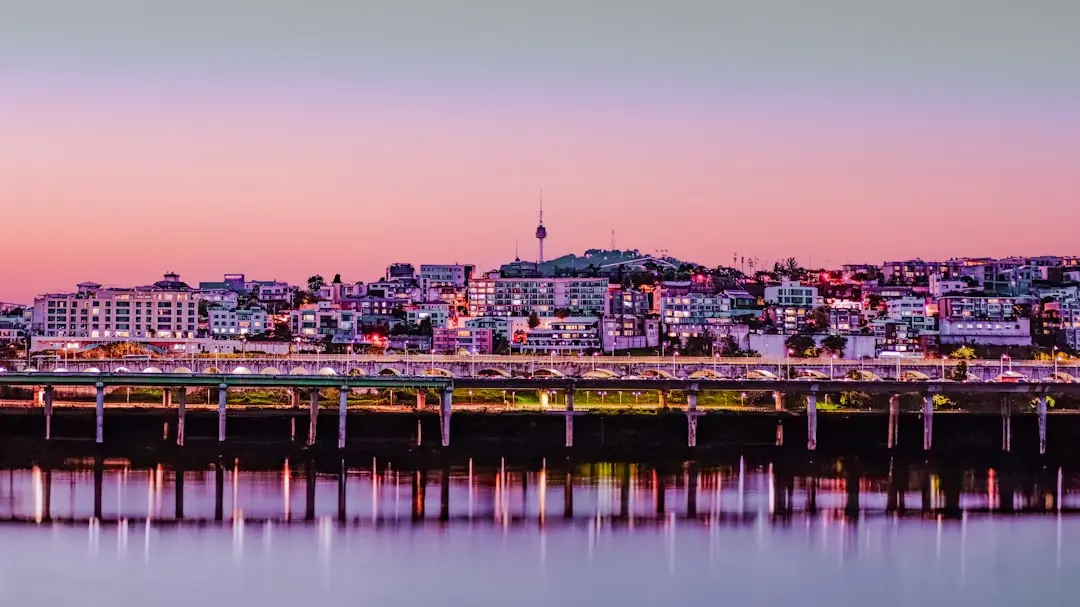
South Korea · AsiaSeoul is a high-tech wonderland that's safe, fast, and surprisingly accessible. In August, summer festivals light up the streets, and the upcoming Chuseok (Korean Thanksgiving) in September offers a unique look at local traditions. Expect cheap street food, world-class transport, and a skyline that blends palaces with skyscrapers.
Is Seoul Expensive? The Short Answer
Seoul is mid-range. At $35 a day for backpacker travel it undercuts 57% of the 399 destinations we track.
- A short trip of 4 nights costs about $140, excluding flights.
- A week costs about $245; a month is about $1050.
- That works out at $35 a day for backpacker travel.
Living in Seoul: Backpacker Guide for 2026
Seoul might not be the cheapest destination in Asia, but it's a fantastic budget travel experience if you know the tricks. In August, the city is alive with summer street festivals and outdoor concerts, and as September approaches, you'll catch the pre-Chuseok buzz — a time when locals prepare for Korea's biggest holiday. Don't be put off by the futuristic skyline; hidden behind the glass towers are cheap guesthouses, hole-in-the-wall restaurants, and free cultural treasures that make Seoul possible on a shoestring.
For accommodation, look in Hongdae, the artsy college district, where you'll find hostels for $15–20 a night and a social scene that never sleeps. Itaewon has an expat-friendly mix with international hostels and late-night food, while guesthouses in Jongno put you near the palaces and markets. Street food is your best friend: try the green onion pancakes (pajeon) at Gwangjang Market, $3 Korean-style fried chicken at any pocha, and the beloved 2,000-won onigiri from 7-Eleven. Drink the free municipal water and walk until your soles wear out — Seoul's topography rewards wanderers.
Your daily budget should look like this: dorm $17, food $12, transport $6 (include one subway ride and buses), and an occasional paid attraction like N Seoul Tower ($10) or a jjimjilbang bathhouse ($8). To save on the latter, visit palaces on the last Wednesday of the month (free entry) or just hike Naksan Park and Bugaksan for the best views at no cost. For mobility, download the KakaoMetro app and use T-money cards — the system is a marvel and transfers are cheap. Bring a light rain jacket; August is hot and humid with the occasional typhoon drizzle. With a flexible attitude and a sense of adventure, you'll eat like a king on a pauper's budget and leave Seoul richer in memories than in spending.
How Much Does Seoul Cost? Daily and Monthly Budget
| Travel style | Day | Week | Month |
|---|---|---|---|
🎒BackpackerHostels, street food, public transport | $35/day | $245/week | $1050/month |
💻Digital NomadPrivate room, cafes, coworking spaces | $100/day | $700/week | $3000/month |
✨LuxuryHotels, fine dining, private transfers | $350/day | $2450/week | $10500/month |
Internet Speed in Seoul for Remote Work
Where to Stay in Seoul: Best Neighborhoods
Hongdae
$Vibrant artsy district near Hongik University, known for its youthful energy, indie music, and street performances. Packed with budget hostels, affordable eateries, and a lively nightlife, it's the top choice for backpackers and young travelers.
Itaewon
$Seoul's most international neighborhood, popular with ex-pats and tourists. Offers diverse cuisine from around the globe, a lively bar scene, and a multicultural vibe. It's a great base for meeting people and exploring the city's variety.
Myeongdong
$A bustling shopping and tourism hub in the heart of Seoul, famous for its street food stalls, cosmetics stores, and neon-lit streets. Stay here for central convenience and easy access to palaces and markets, though it's often crowded.
Gangnam
$$Seoul's upscale district, known for its gleaming skyscrapers, luxury shopping, and high-end dining. Ideal for luxury travelers who want refined experiences, posh nightclubs, and world-class amenities in a polished setting.
Weather in Seoul This Week
Pros and Cons of Living in Seoul
Pros
- +Extremely fast and reliable internet (100+ Mbps)
- +Excellent and safe public transportation
- +24/7 convenience stores and street food
- +Rich cultural heritage with modern marvels
- +Very safe for solo travelers
- +Great shopping districts from cheap to luxury
- +K-pop and K-culture experiences everywhere
- +Efficient and clean city infrastructure
- +Top-notch medical facilities
- +Friendly and helpful locals, many basic English
Cons
- -Costlier than Southeast Asian hubs
- -Language barrier can be challenging
- -Extreme seasonal weather (hot/humid summers, freezing winters)
- -Nomad community less established than Lisbon or Chiang Mai
- -High rent deposits and short lease terms
- -Crowded tourist spots can be overwhelming
- -Traditional food may be too spicy for some
- -Limited dedicated digital nomad visa
- -Public wifi in cafes can be spotty without SIM
- -Some areas lack comprehensive English signage
Seoul FAQ: What Travelers Ask Most
Seoul is exceptionally safe for tourists, with low crime rates and a well-kept public infrastructure. Violent crime is rare, though petty theft can occur in crowded areas like Myeongdong. Still, standard precautions suffice for a worry-free trip.
The best times are spring (April–June) and autumn (September–November) when the weather is mild and pleasant. August is hot and humid with summer typhoons, while winter (December–February) is cold and icy. Chuseok, typically in September/October, is a major holiday that can make travel busy.
Many nationalities including the US, UK, Canada, and most EU countries get visa-free entry for up to 90 days. Always confirm with the South Korean embassy in your country before travel, as regulations can change.
Seoul has among the fastest internet in the world, with average fixed-line speeds well above 100 Mbps. 5G mobile data is also excellent. You'll find reliable Wi-Fi in most hotels and coworking spaces, plus fast eSIM options from local carriers.
Absolutely. The internet is blazing and there are plenty of cafes and coworking spaces. You can live comfortably as a digital nomad for $90–120 a day, though the nomad community isn't as tight-knit as in ASEAN hubs. The standard tourist visa allows short stays, and a long-term remote worker visa is still emerging.
Seoul has a decent backpacker community centered around Hongdae and Itaewon, with a mix of cheap hostels and social events. It's not as full-on as Southeast Asia, but you'll meet plenty of fellow travelers. Budget travelers can enjoy a comfortable trip for $30–40 a day.
Backpackers can spend $30–40 daily (hostel, street food, transport), nomads around $80–120 daily (rental, coworking, meals), and luxury travelers $300–400+ daily (five-star hotels and fine dining). The city offers good value across budgets, but it's not as dirt-cheap as other Asian cities.
Cities Near Seoul
The closest destinations across the border, with distance and daily cost
Best Places to Visit in Asia
Top-scoring destinations in the same part of the world.
Quick Facts
- Global Rank
- #111 of 399
- Rank in South Korea
- #1 of 3
- Region
- Asia
- Timezone
- Seoul
- Weather
- 23.3°C · Cloudy
- Backpacker
- $35/day
- Digital Nomad
- $100/day
- Luxury
- $350/day
- Monthly (backpacker)
- $1050
- Download
- 150 Mbps
- Upload
- 100 Mbps
Score by Travel Style
Do You Need a Visa for Seoul?
South Korea offers 90-day visa-free entry for many countries (US, UK, EU, etc.). Always verify with the Korean embassy.
Is Seoul Safe?
Seoul is exceptionally safe for tourists, with low crime rates and a well-kept public infrastructure. Violent crime is rare, though petty theft can occur in crowded areas like Myeongdong. Still, standard precautions suffice for a worry-free trip.