
South Korea Travel Costs in 2026
Asia3 destinations to explore. Daily costs average $37 with internet speeds around 150 Mbps and a safety rating of 9.0/10.
Seoul is a high-tech wonderland that's safe, fast, and surprisingly accessible. In August, summer festivals light up the streets, and the upcoming Chuseok (Korean Thanksgiving) in September offers a unique look at local traditions. Expect cheap street food, world-class transport, and a skyline that blends palaces with skyscrapers.
Busan blends urban energy and beach breezes, and right now the Busan Sea Festival (all August) brings colorful concerts and firework-like shows to its famous beaches. Backpackers get affordable guesthouses and street food, nomads get blazing-fast internet and relaxed cafés, and luxury travelers enjoy world-class oceanfront resorts.
South Korea Travel Costs at a Glance
- South Korea currently has 3 indexed destination pages on this site.
- Average daily cost for backpacker travel is about $37, with an average score of 6.7/10.
- Top-rated city is Seoul and the most affordable option is Busan.
- Average fixed internet speed is 150 Mbps and safety is 9.0/10 based on current dataset values.
Is South Korea Expensive?
South Korea is moderately expensive for travelers—not as cheap as Southeast Asia, but more affordable than Japan. The average backpacker spends $37 per day ($1,110 a month), while digital nomads budget around $80 daily ($2,400 a month) for faster internet and more comfort. Luxury travelers should plan for $300 per day ($9,000 a month) to enjoy premium hotels and fine dining.
Why does it cost what it costs? The country's high local wages push up labor costs—meals at sit-down restaurants and taxi fares are pricier than in many Asian neighbors. Imported goods, including foreign food and some electronics, carry steep markups. However, fierce competition in the tourism industry keeps hostels and guesthouses surprisingly affordable, and public transport is both excellent and cheap. Seasonality plays a role too: peak periods like cherry-blossom season and autumn foliage drive up accommodation prices, while the monsoon and cold winter months offer significant discounts. Overall, you pay a fair price for first-rate infrastructure, high safety (9/10), and reliable internet (150 Mbps), making it a good-value destination rather than a bargain.
How Much Does It Cost to Travel in South Korea?
Travel costs vary noticeably across South Korea. Busan is the cheapest destination at $30 per day for backpackers, thanks to its abundant budget accommodations, cheap street food like tteokbokki and sundae, and affordable public transit. At the other end, Jeju Island costs $45 per day for backpackers—the most expensive—because everything must be transported there, and the island's tourism is dominated by pricey resorts, car rentals, and well-marketed attractions. Seoul sits in between, with an average backpacker budget of around $35–40 per day, though its nightlife and dining can stretch that.
For a realistic daily budget, plan on $30–45 for a budget traveler depending on destination, $60–120 for a mid-range traveler who wants private rooms and sit-down meals, and $150–300 for comfort with nicer hotels and organized tours. Digital nomads typically land around $80 per day, which covers a private room with good Wi-Fi and a co-working space or café membership. Remember that these are per-person figures; traveling as a couple can sometimes bring costs down on accommodation.
Best Time to Visit South Korea
The best time to visit South Korea is spring (March to May) and autumn (September to November), when temperatures are mild and the scenery is stunning: cherry blossoms in April, fiery foliage in October. These are also the peak seasons, so accommodation prices spike—especially in Seoul and Jeju—and you'll want to book well ahead. If your budget is tight, consider early June or late September, when the weather is still pleasant but crowds and prices ease.
Winter (December to February) is the cheapest season except for ski resorts like Pyeongchang. Seoul can be bitterly cold but dry, and domestic flights to Jeju drop in price. The monsoon season (late June to late July) brings heavy rain and humidity, but it's the lowest season for tourism—great for discounts, though some outdoor attractions close. Avoid the lunar New Year (Seollal) and Chuseok (Korean Thanksgiving) in late September; these national holidays spark huge domestic travel, filling trains and tripling hotel rates. For overall value, aim for May or October, balancing good weather with manageable prices.
Getting Around South Korea
South Korea's compact size makes getting around easy. The KTX high-speed train links Seoul and Busan in about 2 hours 30 minutes, with one-way tickets around $45–50 in second class. Long-distance buses are cheaper (about $25–30) but take 4–5 hours. For Jeju, you'll need to fly or take a ferry. Domestic flights from Seoul Gimpo to Jeju City take about 1 hour and typically cost $30–60 each way if booked early with budget carriers like Jeju Air or Jin Air; flights from Busan to Jeju take 50 minutes and cost $35–55. Ferries from Busan or Incheon to Jeju are slower (up to 12 hours) but can be a budget alternative, with tickets from $50.
Once on Jeju, public transport is limited, so many travelers rent a car (about $40–60 per day) or join bus tours. In Seoul and Busan, the subway and bus networks are excellent and cheap, with single rides under $1.50; a T-money card makes transfers easy. Overland travel between Busan and Jeju isn't practical—you must cross the sea.
Visas, Money and Entry Rules for South Korea
South Korea offers visa-free stays of up to 90 days to nationals of the US, Canada, most European countries, Australia, and many others. Since 2023, the K-ETA (Korea Electronic Travel Authorization) requirement has been dropped for 22 countries, but always check the official K-ETA website before traveling, as rules can change. You must have a passport valid for at least 6 months. Don't overstay, as penalties are strict.
The currency is the South Korean won (KRW), and at the time of writing $1 buys about 1,400 KRW. Credit cards—especially Visa and Mastercard—are widely accepted in cities, but cash is still king at traditional markets, street stalls, and some small guesthouses. ATMs are everywhere, but foreign cards may incur fees and some machines restrict withdrawals. Bring some cash from home or use the airport exchange for a small amount, then withdraw larger sums at banks. Tipping is not customary and can even be seen as rude; rounding up a taxi fare is fine. One trap: some cards charge international transaction fees, so check with your bank before you go.
All Destinations in South Korea
 🇰🇷
🇰🇷Seoul
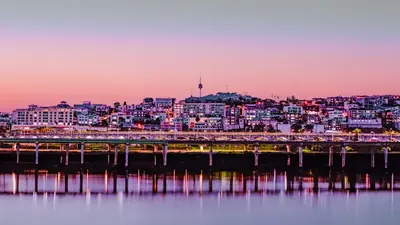
7.0 · GreatSeoul is a high-tech wonderland that's safe, fast, and surprisingly accessible. In August, summer festivals light up the streets, and the upcoming Chuseok (Korean Thanksgiving) in September offers a unique look at local traditions. Expect cheap street food, world-class transport, and a skyline that blends palaces with skyscrapers.
 🇰🇷
🇰🇷Busan
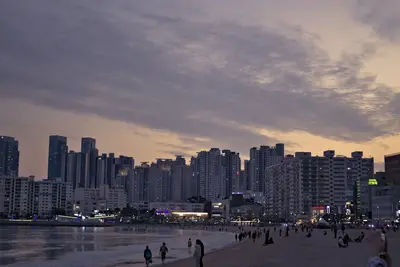
6.5 · GoodBusan blends urban energy and beach breezes, and right now the Busan Sea Festival (all August) brings colorful concerts and firework-like shows to its famous beaches. Backpackers get affordable guesthouses and street food, nomads get blazing-fast internet and relaxed cafés, and luxury travelers enjoy world-class oceanfront resorts.
 🇰🇷
🇰🇷Jeju
6.5 · GoodJeju Island in August is buzzing with summer festivals, fireworks, and beach parties. This volcanic paradise offers stunning hiking, fresh seafood, and a laid-back vibe. With fast internet and a new digital nomad visa, it's also becoming a remote work haven. Explore Jeju's unique blend of nature and culture before the shoulder season crowds descend.