
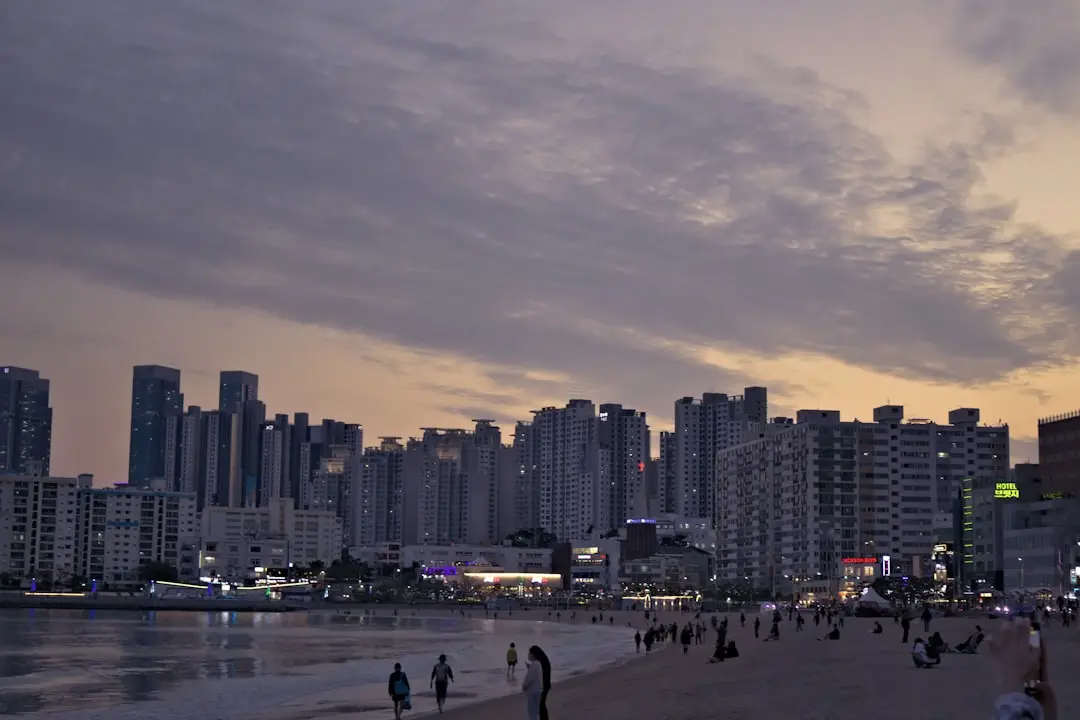
Busan Travel Costs in 2026: Backpacker, Nomad & Luxury Budgets
South Korea · AsiaBusan blends urban energy and beach breezes, and right now the Busan Sea Festival (all August) brings colorful concerts and firework-like shows to its famous beaches. Backpackers get affordable guesthouses and street food, nomads get blazing-fast internet and relaxed cafés, and luxury travelers enjoy world-class oceanfront resorts.
Is Busan Expensive? The Short Answer
Busan is mid-range. At $30 a day for backpacker travel it undercuts 68% of the 399 destinations we track.
- A short trip of 4 nights costs about $120, excluding flights.
- A week costs about $210; a month is about $900.
- That works out at $30 a day for backpacker travel.
Living in Busan: Backpacker Guide for 2026
Busan is a breath of fresh Pacific air after Seoul’s neon chaos — and your won goes further here. The vibe right now is electric: the Busan Sea Festival is in full swing, so the beaches are packed with locals, LED shows, and open-air concerts. For backpackers, this is the sweet spot where big-city convenience meets beach-town ease without the tourist mobs of Thailand.
Hostel scene: The best budget bets are in Seomyeon, the subway hub, where you’ll find clean dorms like Buddybusan Hostel and Busan Station's quirky capsule hotels for $15–20 a night. For food, follow the ajummas to local markets like Bupyeong Kkangtong Night Market — you can eat japchae, tteokbokki, and fresh eomuk for under $10. Freebies? Hike up Geumjeongsan for fortress views, walk the Igidae Coastal Trail, or join a beach volleyball pickup game on Haeundae.
Stay in Seomyeon for convenience and cheap motels, Nampo-dong for vintage charm and goguk hotteok, or near Busan Station if you’re catching the ferry to Japan. Avoid Haeundae if you’re strictly counting won — prices double during summer. A goshiwon (tiny room) in Seomyeon runs $15/night but you get a bed and Wi-Fi — perfect for a few nights.
Your daily budget: $30 will cover a dorm bed, three street-food meals, a T-money card for the metro, and a couple of beers at a beach bar. Save more by cooking in the hostel kitchen or taking the free ferry to Dongbaekseom. Busan won’t blow your backpacker mind like Chiang Mai, but it’s a genuinely great value for a developed Asian city — and the sea breeze is priceless.
How Much Does Busan Cost? Daily and Monthly Budget
| Travel style | Day | Week | Month |
|---|---|---|---|
🎒BackpackerHostels, street food, public transport | $30/day | $210/week | $900/month |
💻Digital NomadPrivate room, cafes, coworking spaces | $70/day | $490/week | $2100/month |
✨LuxuryHotels, fine dining, private transfers | $250/day | $1750/week | $7500/month |
Internet Speed in Busan for Remote Work
Where to Stay in Busan: Best Neighborhoods
Haeundae Beach
$$Busan's most famous beach, lined with luxury hotels, seafood restaurants, and high-end shops. The area is bustling during the August festival and offers stunning ocean views, perfect for luxury travelers and those wanting to be by the sand.
Seomyeon
$The central business district and subway hub, known for its budget-friendly restaurants, shopping streets, and vibrant nightlife. It's ideal for backpackers and nomads who want convenience and affordability.
Nampo-dong
$The old downtown, home to the historic Jagalchi Fish Market and Bupyeong Kkangtong Night Market. This area has a quaint, artsy atmosphere and is perfect for culture lovers and budget travelers seeking local experiences.
Gwangalli Beach
$A more relaxed alternative to Haeundae, with trendy cafes and restaurants facing the illuminated Gwangandaegyo bridge. It appeals to younger travelers and digital nomads looking for a hip vibe.
Weather in Busan This Week
Pros and Cons of Living in Busan
Pros
- +Excellent public transportation (subway, bus, train)
- +Safe even late at night
- +Delicious and affordable street food
- +Beautiful beaches like Haeundae and Gwangalli
- +Less crowded and cheaper than Seoul
- +Fast and reliable internet everywhere
- +Rich cultural heritage (temples, markets, festivals)
- +Friendly locals, though English is limited
- +Direct ferries to Japan
- +Stunning coastal hiking trails
Cons
- -Language barrier outside tourist areas
- -Humid and hot summers with typhoon risk
- -Limited budget hostel options compared to Southeast Asia
- -Many attractions require cash
- -Not as many digital nomad events as Seoul
- -Haeundae can be overpriced in peak season
- -Industrial areas are not picturesque
- -Limited nightlife outside of a few districts
- -Public transport stops late
- -Airport is far from the city center
Busan FAQ: What Travelers Ask Most
Busan is extremely safe, with low crime rates. You can walk alone at night in most areas, but keep an eye on your belongings in crowded places like beaches and markets. Exercise normal precautions, especially around late-night nightlife zones.
The best times are spring (April-May) and autumn (September-October) for mild weather and beautiful foliage. Summer (July-August) is beach season but also hot and humid, with the Busan Sea Festival in August bringing extra energy. Winter is cold but quiet and cheap.
Many passport holders, including US, EU, UK, and Australian citizens, can visit South Korea visa-free for up to 90 days. Korea has also introduced the K-ETA system, but it's currently required only for citizens of certain countries. Check with your local Korean embassy before traveling.
Busan has some of the fastest internet in the world. Speedtest Global Index consistently ranks South Korea at the top, with Busan averaging over 200 Mbps download and 100 Mbps upload. Even cafes and hostels offer fiber-optic speeds, making it perfect for remote work.
Absolutely. With reliable high-speed internet, numerous coworking spaces, and a growing community of expats, Busan is an emerging digital nomad hub. The 90-day visa-free entry covers short stays, but you'll need a work visa for longer periods. Many nomads base themselves in Seomyeon or Haeundae.
Busan has a modest but friendly backpacker community. Hostels are clean and reasonably priced, especially in Seomyeon and Nampo-dong. There aren't as many party hostels as in Thailand, but the laid-back vibe makes it easy to meet fellow travelers.
Backpackers can get by on $30-40 per day (hostel dorm, street food, public transit). Digital nomads typically spend $70-100 per day, including a private apartment and coworking space. Luxury travelers should budget $250-400 per day for a five-star hotel and fine dining.
Cities Near Busan
The closest destinations across the border, with distance and daily cost
Best Places to Visit in Asia
Top-scoring destinations in the same part of the world.
Quick Facts
- Global Rank
- #135 of 399
- Rank in South Korea
- #2 of 3
- Region
- Asia
- Timezone
- Seoul
- Weather
- 22.4°C · Patchy rain nearby
- Backpacker
- $30/day
- Digital Nomad
- $70/day
- Luxury
- $250/day
- Monthly (backpacker)
- $900
- Download
- 200 Mbps
- Upload
- 100 Mbps
Score by Travel Style
Do You Need a Visa for Busan?
Many nationalities (including US, EU, UK, and Australian passport holders) can enter South Korea visa-free for 90 days. You need to apply for K-ETA (Korea Electronic Travel Authorization) if your country is not exempt — as of 2026, K-ETA remains required for visa-free entry from non-exempt countries (but it's quick and online). Always check the latest Korean embassy information.
Is Busan Safe?
Busan is very safe, even late at night. Petty crime is rare, but watch belongings on crowded beaches and buses.