
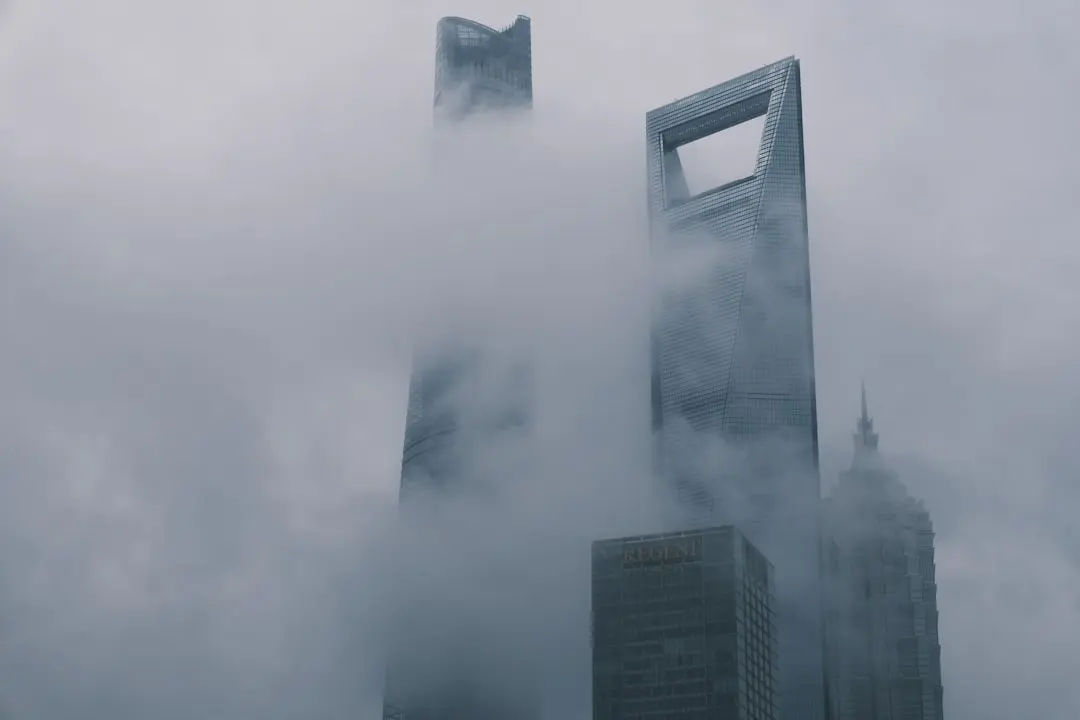
Shanghai Travel Costs in 2026: Backpacker, Nomad & Luxury Budgets
China · AsiaShanghai is an electrifying metropolis blending historic charm with futuristic skyscrapers. Summer is hot and humid, but the city buzzes with night markets and rooftop bars. Next month brings the Mid-Autumn Festival, a magical time of mooncakes and lantern displays along the Bund.
Is Shanghai Expensive? The Short Answer
No — Shanghai is cheap. At $25 a day for backpacker travel it undercuts 83% of the 399 destinations we track.
- A short trip of 4 nights costs about $100, excluding flights.
- A week costs about $175; a month is about $750.
- That works out at $25 a day for backpacker travel.
Living in Shanghai: Backpacker Guide for 2026
Shanghai is a thunderstorm of neon, history, and energy — and for a backpacker, it's an urban adventure that pays off. You're not in budget paradise like Chiang Mai, but the city rewards street-smart travelers with world-class snacks, free views, and a pulse that never sleeps. Right now it's sweltering August, so pack light and embrace the night markets; next month, the Mid-Autumn Festival brings glowing lanterns and sticky mooncakes to every corner.
For a bed, hostels cluster in the Old City and Jing'an, with dorms from $6-10 per night. The Blue Mountain Youth Hostel on the Bund is a historic favorite, while M Hotel offers a rooftop social scene. Eat like a local — grab xiaolongbao (soup dumplings) for $1.50, jianbing pancakes for $1, and noodle bowls under $3. Free sights are everywhere: stroll the Bund for skyline views, explore Yu Garden's old bazaar, and don't miss the Shanghai Museum's treasures (free entry).
For neighborhoods, stay in the Old City for cheap eats and easy access to Yu Garden, but be ready for crowds and noise. The Former French Concession is pricier but more relaxing, with tree-lined streets and cafes perfect for escaping the heat. Avoid the Bund hotels unless you have cash to burn. Metro rides cost just 50 cents to a dollar, making it the best way to get around.
Budget-wise, you can survive on $25/day: hostel $8, food $8, transport $2, attractions $3, and a bit extra for laundry or a cold beer. To save more, shop at Lawson convenience stores, split room costs, and take advantage of free walking tours. Shanghai won't coddle your wallet like Hanoi, but it delivers an unforgettable mix of old and new for a budget-conscious globetrotter.
How Much Does Shanghai Cost? Daily and Monthly Budget
| Travel style | Day | Week | Month |
|---|---|---|---|
🎒BackpackerHostels, street food, public transport | $25/day | $175/week | $750/month |
💻Digital NomadPrivate room, cafes, coworking spaces | $75/day | $525/week | $2250/month |
✨LuxuryHotels, fine dining, private transfers | $300/day | $2100/week | $9000/month |
Internet Speed in Shanghai for Remote Work
Where to Stay in Shanghai: Best Neighborhoods
The Bund & North Bund
$$Iconic waterfront promenade with colonial-era buildings and futuristic skyscrapers. It's the classic Shanghai view, but prices are highest here. Best for luxury travelers and first-timers who want to be steps from the action.
Former French Concession
$Tree-lined streets, boutique cafes, and hidden bars. This is the romantic, artistic side of Shanghai. Its charm commands premium prices, but you'll find a mix of hotels and stylish hostels.
Old City (Yu Garden Area)
$The historic heart of Shanghai with traditional gardens, temples, and bustling bazaar streets. It's the best spot for budget travelers seeking cheap eats and a taste of old China.
Jing'an
$A trendy, central district with upscale malls, lively restaurants, and convenient metro access. It balances modern comfort with a growing arts scene, suitable for all travelers.
Pudong
$$The financial district across the river, known for skyscrapers, futuristic architecture, and high-end hotels. It's more corporate and less atmospheric, but offers luxury amenities.
Weather in Shanghai This Week
Pros and Cons of Living in Shanghai
Pros
- +World-class city with endless energy
- +Excellent public transport (metro)
- +Very safe and clean (compared to most cities)
- +Amazing street food and cheap eats
- +Fast and affordable internet (with VPN)
- +Beautiful mix of historic and futuristic architecture
- +Vibrant nightlife and arts scene
- +Global food scene, from Michelin to street stalls
- +Easy to meet people in hostels and expat events
- +Many attractions are free or low-cost
Cons
- -Summer is brutally hot and humid
- -Air pollution can be bad (though improved)
- -Language barrier for non-Chinese speakers
- -Great Firewall makes VPN essential for many online services
- -Costs are higher than other Asian cities like Bangkok
- -Accommodation quality varies widely for price
- -Tourist crowds in iconic spots (Bund, Yu Garden)
- -Tipping is not customary but tips may be expected in luxury places
- -Getting cash requires Alipay/WeChat Pay; some places don't accept foreign cards
- -Limited nightlife options for budget travelers (drinks are pricey)
Shanghai FAQ: What Travelers Ask Most
Yes, Shanghai is very safe, even at night. Petty crime is rare, though pickpocketing can happen in crowded areas. Always keep an eye on your belongings and avoid late-night encounters with strangers.
Spring (April-May) and autumn (September-October) are ideal with mild temperatures. August is hot, humid, and prone to typhoons, but you can catch the Mid-Autumn Festival in September. Winter is cold and damp but cheaper.
Many nationalities, including US, UK, Canada, and Australia, can enter China visa-free for up to 30 days (as of 2026). For longer stays, apply for a tourist (L) visa. Always confirm with your local Chinese embassy.
Internet is fast, often over 100 Mbps, but many global sites (Google, WhatsApp, Instagram) are blocked. You'll need a reliable VPN to access them. Cafes and coworking spaces usually have solid Wi-Fi.
Yes, the infrastructure is excellent. You can stay up to 30 days visa-free on many passports, but longer stays require a visa. You'll need a VPN for many work tools, and you should plan around the time difference if you work with western hours.
There's a decent network of hostels like the Blue Mountain Youth Hostel and the M Hotel. It's more urban than Southeast Asia, but you'll find social events, bar crawls, and fellow travelers. Costs are higher than Chiang Mai or Hanoi.
Backpackers can get by on $25-30/day with hostel dorms and street food. Digital nomads should budget $75-100/day for a solo apartment, coworking, and meals. Luxury travelers might spend $300+/day on five-star hotels and fine dining.
Cities Near Shanghai
The closest destinations across the border, with distance and daily cost
Best Places to Visit in Asia
Top-scoring destinations in the same part of the world.
Quick Facts
- Global Rank
- #112 of 399
- Rank in China
- #9 of 13
- Region
- Asia
- Timezone
- Shanghai
- Weather
- 19.8°C · Light drizzle
- Backpacker
- $25/day
- Digital Nomad
- $75/day
- Luxury
- $300/day
- Monthly (backpacker)
- $750
- Download
- 100 Mbps
- Upload
- 50 Mbps
Score by Travel Style
Do You Need a Visa for Shanghai?
Many nationalities can enter China visa-free for up to 30 days (as of 2026). Always check with the nearest Chinese embassy, as rules change. For longer stays, an L visa is required.
Is Shanghai Safe?
Very safe city with low crime rates, even for solo travelers. Pickpocketing can occur in crowded tourist spots, so stay alert.