
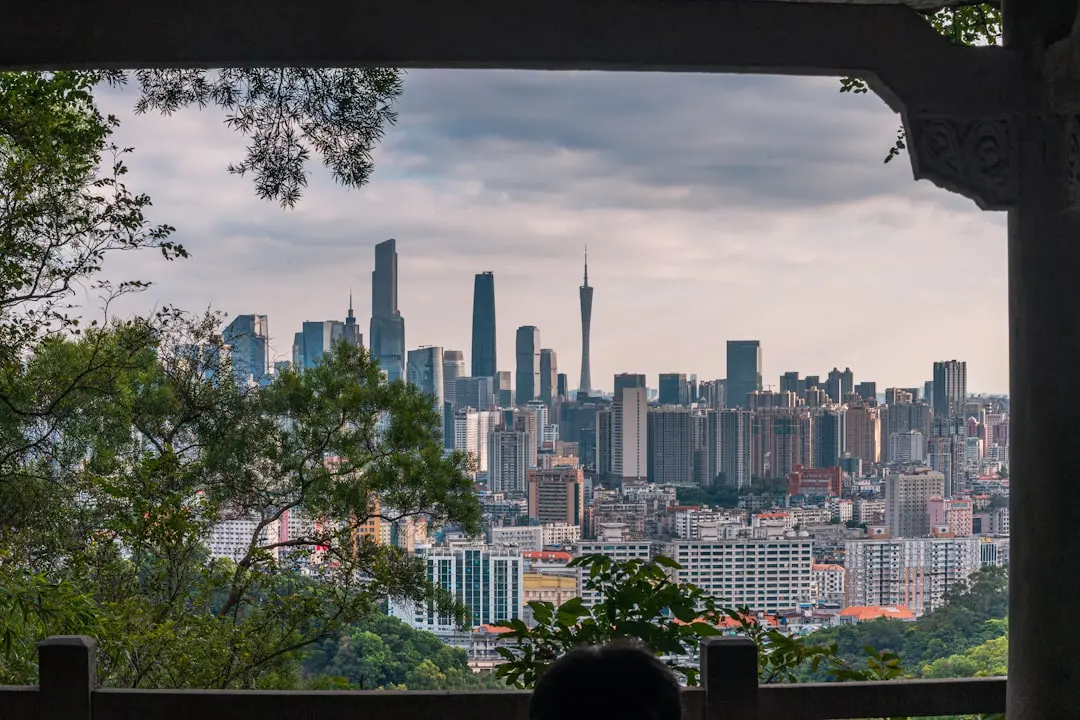
Guangzhou Travel Costs in 2026: Backpacker, Nomad & Luxury Budgets
China · AsiaGuangzhou, the bustling heart of southern China, mixes ancient Cantonese culture with futuristic skylines. Budget travelers can devour incredible street food for pennies, while foodies and shoppers flock to its massive markets. August is hot and humid, but the upcoming Mid-Autumn Festival in September brings mooncakes, lanterns, and festive energy to the city's parks and riverside.
Is Guangzhou Expensive? The Short Answer
Guangzhou is mid-range. At $30 a day for backpacker travel it undercuts 68% of the 399 destinations we track.
- A short trip of 4 nights costs about $120, excluding flights.
- A week costs about $210; a month is about $900.
- That works out at $30 a day for backpacker travel.
Living in Guangzhou: Backpacker Guide for 2026
Guangzhou is a fantastic surprise for budget backpackers who crave authentic China without the insane prices of Beijing or Shanghai. The city is sprawling, chaotic, and full of life, but it rewards those who dig a little deeper. Right now, August is steamy, so pack light layers and be ready for rain showers, but the low season means fewer crowds and negotiable hostel rates. Head to the older district of Liwan for narrow lanes full of traditional medicine shops and tiled-roof houses that feel a world away from the glass towers of Tianhe.
For a cheap night's stay, check out the backpacker hubs in Yuexiu or around Shamian Island, where dorm beds run about $10–15 and often include free breakfast. Dorms are social without being rowdy — expect a mix of European and Asian travelers trading tips over instant noodles. Street food is the ultimate money-saver: slurp bowls of wonton noodle soup for under $2, grab char siu bao (BBQ pork buns) straight from steamy bamboo baskets, or hunt down the famous Cantonese congee stalls that pop up at dawn. For a memorable splurge, a full dim sum brunch in a local teahouse costs about $5–8 and will leave you stuffed.
When choosing a base, skip the tourist-center and stay in Haizhu or the western edge of Tianhe, where a bed in a clean, Wi-Fi-equipped hostel runs $8–12. The metro is absurdly cheap and efficient, connecting you to all of Guangzhou's districts, so you can wake up in a quiet neighborhood and still be at the Pearl River in twenty minutes. Safer than most Western cities, you can walk home at 2 a.m. from a late-night noodle shop with zero stress.
A daily budget of $25–35 works beautifully: $12 for a hostel, $8–12 for food (thanks to endless incredible street eats), $2 for transit, and the rest for the occasional museum ticket or cold beer by the river. During the Mid-Autumn Festival in September, you can join locals at the Yuexiu Park lantern displays for free — just watch out for the crowds. Guangzhou is a place where the budget traveler is king, and every yuan spent stretches further than you'd think.
How Much Does Guangzhou Cost? Daily and Monthly Budget
| Travel style | Day | Week | Month |
|---|---|---|---|
🎒BackpackerHostels, street food, public transport | $30/day | $210/week | $900/month |
💻Digital NomadPrivate room, cafes, coworking spaces | $70/day | $490/week | $2100/month |
✨LuxuryHotels, fine dining, private transfers | $200/day | $1400/week | $6000/month |
Internet Speed in Guangzhou for Remote Work
Where to Stay in Guangzhou: Best Neighborhoods
Tianhe
$$The modern business and shopping district, packed with skyscrapers, luxury malls, and upscale hotels. This is where business travelers and expats live, with convenient metro access and a buzzing nightlife.
Yuexiu
$A historic district with tree-lined parks, old streets, and the famous Yuexiu Park (home to the Five Rams sculpture). More local and laid-back, with a good mix of budget hostels and traditional Cantonese eateries.
Liwan
$The old Canton neighborhood, full of narrow lanes, traditional townhouses, and legendary street food stalls. It's the best place for budget foodies and those wanting to see the city's heritage — though it can feel a bit crowded.
Haizhu
$An up-and-coming residential area across the Pearl River from Tianhe. Offers a mix of modern malls and local life, with lower prices and fewer tourists. Good for longer stays.
Weather in Guangzhou This Week
Pros and Cons of Living in Guangzhou
Pros
- +Incredible and affordable street food (wonton noodles, dim sum)
- +Excellent and cheap public transport (metro, buses)
- +Low cost of living compared to other Chinese megacities
- +Very low crime rate, safe for solo travelers
- +Deep Cantonese culture and historic neighborhoods
- +Modern infrastructure with high-speed internet
- +Gateway to southern China and easy access to Hong Kong
- +Great shopping (from markets to luxury malls)
- +Vibrant arts and music scenes in Xiaozhou and Lianhua
- +Diverse population, welcoming to foreigners
Cons
- -Language barrier — Cantonese and Mandarin are common, but English is limited
- -Poor air quality during certain months (heavy smog)
- -China's internet restrictions require a VPN for many Western websites
- -Summer heat and humidity are intense (peak August)
- -Visa process for China is more complex than many Asian countries
- -Fewer backpacker social hubs compared to Bangkok or Hanoi
- -Cultural differences can be challenging for first-time visitors to China
- -Pollution and street noise in some districts
- -Public toilets often lack soap and toilet paper
- -Crowds in markets and tourist spots can be overwhelming
Guangzhou FAQ: What Travelers Ask Most
Guangzhou is very safe, with a very low crime rate. Even late at night, you'll find streets full of people and lit areas. The main risks are petty pickpocketing in crowded markets and occasional traffic scooter incidents. Stay alert in places like Shangxiajiu Pedestrian Street, and you'll have no issues.
The best time is autumn (October to December) when temperatures cool down to the low 20s°C and humidity drops. Spring (March-April) is also pleasant, though rainy. August is scorching (33°C+ with high humidity), but it's also low season — meaning cheaper flights and hotels. If you want festivals, the Mid-Autumn Festival (September) and the Canton Fair (October) draw crowds and special events.
Most foreign visitors need a China tourist visa (L) in advance. It's usually 30 days, extendable once. Citizens of some Asian countries (like Singapore, Japan, Brunei) get visa-free entry for shorter stays. If you're transiting to a third country, you may qualify for the 144-hour visa-free transit — but always confirm with the Chinese embassy.
Internet speeds are generally excellent, with fiber connections reaching 100+ Mbps down in most hotels and coworking spaces. However, the Great Firewall blocks Google, WhatsApp, Facebook, Instagram, and many other sites, so you'll need a reliable VPN. Local speeds are fine for video calls, but international connections can be slower with VPN overhead.
Technically yes, but with caveats. The internet requires a VPN, and the visa system doesn't have a specific digital nomad permit. You can stay up to 60 days on a tourist visa (30+30 extension), then need to exit and re-enter. Co-working is available, and living costs are low. It's a decent option for a short stint, but not a long-term nomad hub.
It's smaller than in Southeast Asia hot spots, but there are a handful of sociable hostels around Yuexiu and Shamian Island for about $10-15 per night. The crowd is usually travelers passing through on a larger China trip. More importantly, the street food culture and cheap transport make it a great value for backpackers who want an authentic Chinese city.
Backpackers can manage on $30-$40 per day (hostel, street food, metro). Digital nomads should budget $65-$100 per day for a serviced apartment, coworking, and eating out. Luxury travelers can spend $200+ for five-star hotels and fine dining, though you'll get excellent value: a top-tier room is often half the price of one in Hong Kong.
Cities Near Guangzhou
The closest destinations across the border, with distance and daily cost
Best Places to Visit in Asia
Top-scoring destinations in the same part of the world.
Quick Facts
- Global Rank
- #113 of 399
- Rank in China
- #10 of 13
- Region
- Asia
- Timezone
- Shanghai
- Weather
- 32.5°C · Light rain shower
- Backpacker
- $30/day
- Digital Nomad
- $70/day
- Luxury
- $200/day
- Monthly (backpacker)
- $900
- Download
- 120 Mbps
- Upload
- 40 Mbps
Score by Travel Style
Do You Need a Visa for Guangzhou?
China requires most foreign visitors to obtain a visa before arrival. Tourist visas (L) are typically valid for 30 days and can be extended once. Citizens of some countries (e.g., Singapore, Brunei, Japan) have visa-free access. For Guangzhou, you can also use the 60-hour visa-free transit policy if you're passing through to a third country and hold a confirmed onward ticket (always double-check current rules, as they change).
Is Guangzhou Safe?
Guangzhou is very safe for travelers, even at night. Violent crime is rare, and the main concerns are petty theft in crowded markets and occasional smog. Exercise normal caution in touristy spots, but overall, it's a secure destination.