
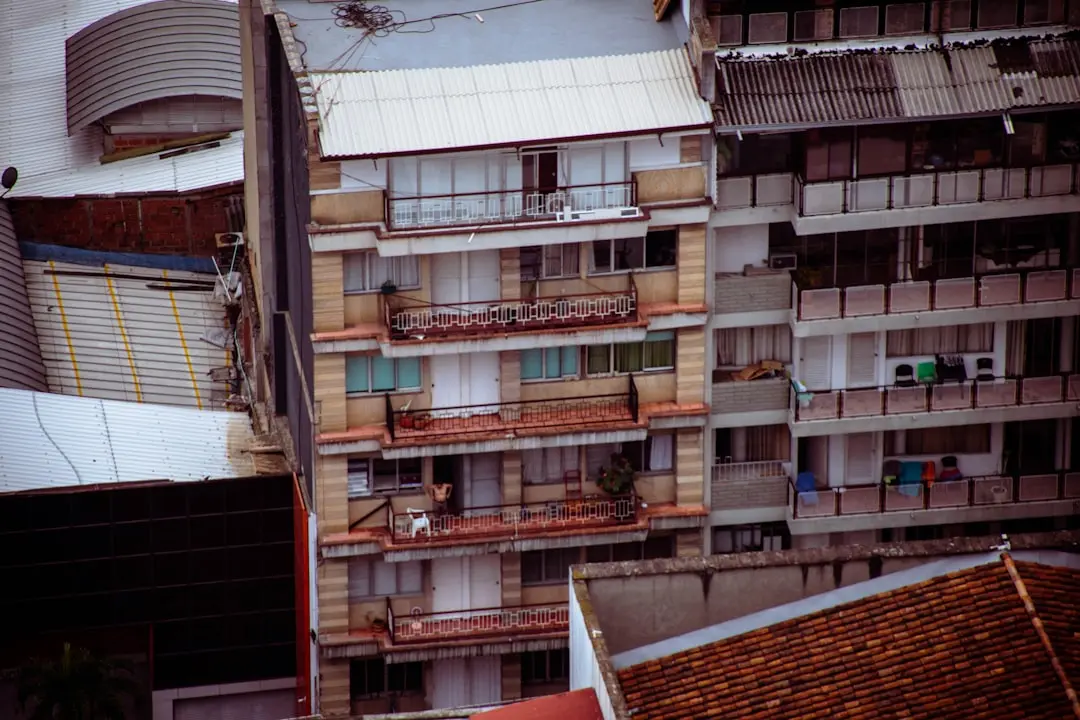
Medellin Travel Costs in 2026: Backpacker, Nomad & Luxury Budgets
Colombia · South AmericaMedellín, the City of Eternal Spring, is buzzing post-Feria de las Flores with perfect 22°C weather, vibrant street art, and a huge backpacker and nomad scene. Enjoy world-class coffee, affordable living, and modern cable cars between lush mountains.
Is Medellin Expensive? The Short Answer
Medellin is mid-range. At $30 a day for backpacker travel it undercuts 68% of the 399 destinations we track.
- A short trip of 4 nights costs about $120, excluding flights.
- A week costs about $210; a month is about $900.
- That works out at $30 a day for backpacker travel.
Living in Medellin: Backpacker Guide for 2026
Medellín has transformed from Pablo Escobar's dark past into South America's hot ticket for backpackers, and the post-Feria de las Flores glow in mid-August keeps it buzzing. Weather stays a perfect 22°C, the metro is cheap and clean, and your dollars stretch far. August's flower festival energy still hums through Plaza Botero and the nightlife is unapologetically social.
Hostels cluster in El Poblado and La Candelaria—Hostel Rango, Los Patios, Casa Kiwi—with dorms from $6-12 and communal dinners that plug you straight into the scene. Skip gringo cafés and eat empanadas for $0.50, bandeja paisa for $4, and set lunches for $3. Free activities are everywhere: the Metrocable to Comuna 13's graffiti, salsa in Parque de los Pies Descalzos, walking tours of the Botero Plaza, and Sunday car-free cycling near the river.
For the lowest prices, stay in La Candelaria, the historic heart with gritty charm and dorms around $7. El Poblado costs more but its hostels often include free salsa classes and rooftop BBQs. Envigado is a quiet local option with homestays and cheap set meals. Sharing an Airbnb in any of these areas drops your per-night cost to $15 or less.
A realistic daily budget is $25-35: $8 dorm, $8-10 food on the street, $2 metro, and $5-10 for activities or beers. Pay with cash or the Nequi app, avoid taxis at night unless booked, and don't flash your phone. Medellín rewards common sense—stick to the tourist zones, take security seriously, and you'll leave with lifelong friends.
How Much Does Medellin Cost? Daily and Monthly Budget
| Travel style | Day | Week | Month |
|---|---|---|---|
🎒BackpackerHostels, street food, public transport | $30/day | $210/week | $900/month |
💻Digital NomadPrivate room, cafes, coworking spaces | $80/day | $560/week | $2400/month |
✨LuxuryHotels, fine dining, private transfers | $250/day | $1750/week | $7500/month |
Internet Speed in Medellin for Remote Work
Where to Stay in Medellin: Best Neighborhoods
El Poblado
$$The heart of the tourist and nomad scene, packed with hostels, rooftop bars, restaurants, and coworking spaces. It's the safest and most international area, but also the priciest.
Laureles
$A leafy, bohemian neighborhood loved by locals and long-stay visitors for its cycling paths, corner cafés, and traditional Colombian vibe. Cheaper and calmer than El Poblado with excellent metro access.
La Candelaria
$The historic colonial center—artsy and gritty, with museums, Plaza Botero, and charming old buildings. Budget backpackers get the cheapest dorms here, but it's less safe at night and requires precautions.
Envigado
$Immediately south of El Poblado, with a classic local suburb feel, parks, and excellent food. Many nomads live here for lower rent and a more authentic experience, while still close to the action.
Weather in Medellin This Week
Pros and Cons of Living in Medellin
Pros
- +Eternal spring climate year-round
- +Affordable cost of living across all budgets
- +Modern, clean Metro and cable car systems with incredible views
- +Huge backpacker and digital nomad communities
- +Great food scene (arepas, bandeja paisa, emerging fine dining)
- +Major international airport with direct flights from US & Europe
- +Spanish schools and salsa classes everywhere
- +Safe in tourist zones with common sense
- +Warm, open-minded 'Paisa' culture
- +Stunning nearby day trips like Guatapé and El Peñol
Cons
- -Safety in certain barrios is still a concern
- -Traffic congestion on main roads, especially at rush hour
- -No beaches nearby (3-4 hours away)
- -Frequent rainy spells (May-June, Sep-Nov)
- -Infrastructure sometimes overwhelmed by fast growth
- -Tourist crowds in El Poblado can feel overwhelming
- -Not a true luxury destination; high-end options limited
- -Visa extension and taxes require a bit of paperwork
Medellin FAQ: What Travelers Ask Most
Medellín in 2026 is significantly safer than its reputation, but you should exercise normal street smarts. Stick to El Poblado, Laureles, Envigado and La Candelaria during the day; avoid undeveloped hillside barrios at night and don't flash expensive items. Use official taxis or Uber after dark, and keep your belongings on the front of your body—overall, thousands of tourists visit safely every day.
Medellín is called the City of Eternal Spring because temperatures hover around 22°C year-round. The driest months are typically December to March, while the city bursts with flowers during the Feria de las Flores in early August. For the best balance of great weather and manageable crowds, plan around February-March or September-October.
For the tourist visit, Colombia allows passport holders from the US, EU, UK, Canada, Australia, Japan, Korea, and several other countries to enter visa-free for up to 90 days, extendable for another 90 days inside the country. Nationals of India, China, South Africa, Turkey, and others need a C-3 tourist visa or can sometimes use a valid Schengen/US visa. Always confirm with the Colombian consulate in your country.
Internet in Medellín is very good for Latin America—most fiber connections deliver 50-100 Mbps download and 30-50 Mbps upload, and plenty of cafés and coworking spaces have reliable backup connections. The speed test global average for Colombia is around 80 Mbps download in cities. You'll be able to run video calls and heavy cloud work without trouble in El Poblado or Laureles.
Absolutely—Medellín is one of the world's most popular digital nomad destinations. There are dozens of coworking spaces, a large English-speaking nomad community, and a 2025 digital nomad visa that allows remote workers to stay up to 2 years. With practical monthly budgets, you'll find it easy to balance work and live in this vibrant city.
Medellín's backpacker scene is thriving, with hostels ranging from party dorms in El Poblado ($10-14) to chill social guesthouses in La Candelaria ($6-9). Almost every hostel organises free walking tours, salsa nights and day trips to Guatapé, so making friends is effortless. It's one of the most social cities in South America for budget travelers.
Backpackers can travel comfortably on $25-40/day (dorm, street food, metro), while digital nomads typically spend $60-90/day living well (rent divided by 30, coworking, meals out, social). For luxury travelers, daily costs range $200-350 for a 5-star hotel, fine dining, and premium experiences. Medellín gives great value on every budget.
Cities Near Medellin
The closest destinations across the border, with distance and daily cost
Best Places to Visit in South America
Top-scoring destinations in the same part of the world.
Quick Facts
- Global Rank
- #63 of 399
- Rank in Colombia
- #2 of 5
- Region
- South America
- Timezone
- Bogota
- Weather
- 8.6°C · Fog
- Backpacker
- $30/day
- Digital Nomad
- $80/day
- Luxury
- $250/day
- Monthly (backpacker)
- $900
- Download
- 80 Mbps
- Upload
- 40 Mbps
Score by Travel Style
Do You Need a Visa for Medellin?
Most nationalities (US, EU, UK, Canada, Australia, Japan, Korea, etc.) enter Colombia visa-free for 90 days, extendable in-country for another 90 days (max 180 days/year). Citizens of India, China, South Africa, Turkey, and others need a C-3 tourist visa unless they hold a valid Schengen/US visa. A digital nomad visa for up to 2 years has been available since 2025. Always confirm with your local Colombian consulate.
Is Medellin Safe?
Generally safe for tourists in El Poblado, Laureles, Envigado and La Candelaria during the day. Avoid undeveloped barrios at night, use official taxis or Uber after dark, and keep valuables hidden. Police are visible in the metro and Centro; pickpocketing and petty theft are the main concerns.