
La Paz Travel Costs in 2026: Backpacker, Nomad & Luxury Budgets
Bolivia · South AmericaLa Paz flips your senses: cable cars over a canyon, cholitas in bowler hats, and street food so cheap you'll splurge twice. Independence Day fireworks still echo and September's folkloric Laja festival is around the corner, making this Andean city a bargain-filled, culture-packed adventure right now.
Is La Paz Expensive? The Short Answer
No — La Paz is cheap. At $20 a day for backpacker travel it undercuts 95% of the 399 destinations we track.
- A short trip of 4 nights costs about $80, excluding flights.
- A week costs about $140; a month is about $600.
- That works out at $20 a day for backpacker travel.
Living in La Paz: Backpacker Guide for 2026
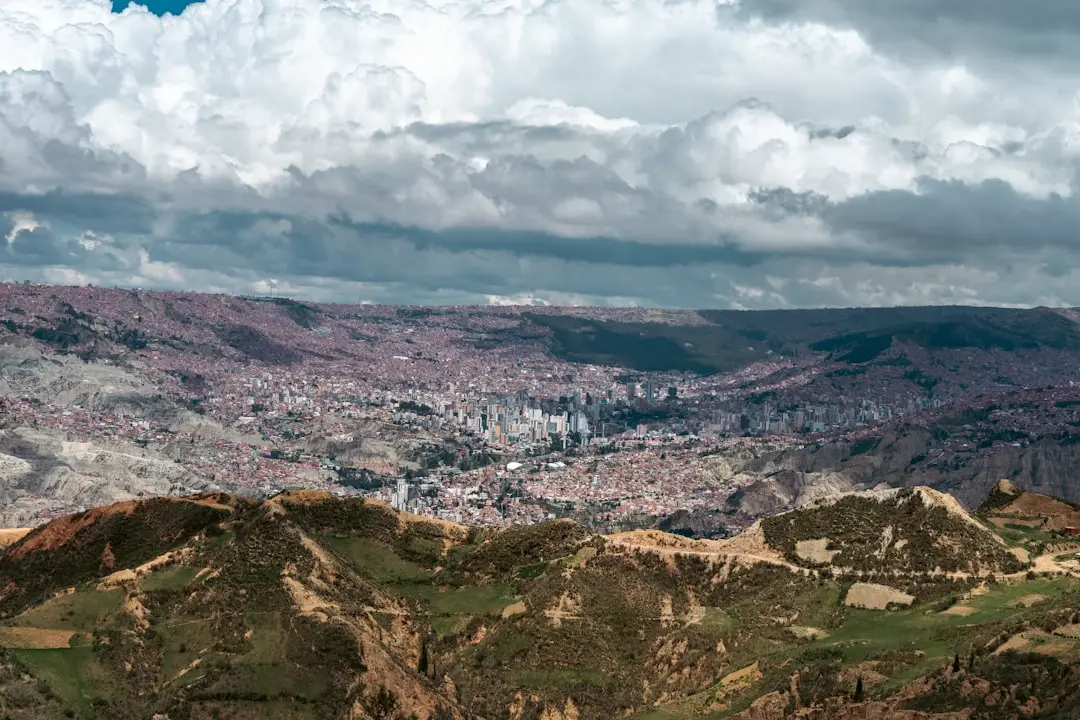
La Paz is the ultimate budget-grit gateway to South America. At nearly 4,000 meters above sea level, the city throws you into a chaos of cholitas, market stalls, and cable cars that climb the Andes—all at prices that make your wallet smile. Right now, the atmosphere is buzzing with post-Independence Day celebrations, and street fiestas and food fairs pop up across the hillside neighborhoods, keeping backpackers in a festive mood.
Hostels are legendary: the 'Loki Hostel' or 'Wild Rover' in Sopocachi/San Pedro get you a dorm bed for $8–$12 with free wifi, hot water (a miracle at this altitude), and boozy pub crawls. Street food is next-level cheap—head to the Mercado Lanza or Mercado Camacho for salteñas at $0.50 and huge almuerzos (soup + main course) for $2–$3. Free activities include hiking up Killi Killi viewpoint, wandering the colorful Cholitas market, and taking the cable car ($1) to El Alto for mind-blowing sunset views.
Neighborhood-wise, San Pedro is the budget backpacker hub—hostels, cheap eateries, and easy access to Plaza San Pedro. For a slightly calmer bed with views, Mazarí (near Sopocachi) rents dorms around $10 and has a communal kitchen. If you want to be near the bus companies for Uyuni and Copacabana, stay in the downhill area of San Jorge, though it costs a few dollars more.
Your daily budget breaks down like this: dorm bed $10, street breakfast $1.50, almuerzo $3, tea in a cute café $1.50, bus rides $1, plus a couple of beers $4—total around $21. Splurge on the Death Road mountain-biking tour ($45–60) or the Yungas Trail hike, but book with a reputable operator. And always acclimatize: chew coca leaves, sip coca tea, and take it easy the first two days. La Paz doesn't just save your pennies—it kicks your sense of adventure into overdrive.
How Much Does La Paz Cost? Daily and Monthly Budget
| Travel style | Day | Week | Month |
|---|---|---|---|
🎒BackpackerHostels, street food, public transport | $20/day | $140/week | $600/month |
💻Digital NomadPrivate room, cafes, coworking spaces | $30/day | $210/week | $900/month |
✨LuxuryHotels, fine dining, private transfers | $180/day | $1260/week | $5400/month |
Internet Speed in La Paz for Remote Work
Where to Stay in La Paz: Best Neighborhoods
San Pedro
$Historic and gritty, this is the backpacker heart of La Paz, packed with budget hostels, the giant Mercado San Pedro and dark street art. It's chaotic but authentic, and you'll be in the middle of the action.
Sopocachi
$A leafy, bohemian district east of the centre with cafes, coworking spaces, embassies and a lively nightlife strip. It's the best base for digital nomads and mid-range travellers.
Calacoto
$$The southern zone's wealthy enclave, home to five-star hotels, embassy compounds and fine dining. Luxury visitors stay here for safety, views and modern comfort.
Miraflores
$A middle-class residential area below the centre, with rose gardens and sports courts. It's quieter, cheaper and safer, if a little bland for travellers wanting buzz.
El Alto
$The sprawling altiplano suburb above the rim, accessed by a dramatic cable car. It's one of South America's most authentic working-class markets and street-art galleries, but should be skipped after dark.
Weather in La Paz This Week
Pros and Cons of Living in La Paz
Pros
- +Extremely low cost of living – one of South America's cheapest capitals
- +Jaw-dropping Andean geography and cable-car commutes
- +Rich indigenous culture, cholitas, witches' market and textiles
- +Adventure activities: Death Road biking and Huayna Potosí climbing
- +Great cheap street food (salteñas, sandwich de chola, api)
- +Gateway to Uyuni, Lake Titicaca and Potosí
- +Free walking tours and viewpoints
- +Unique high-altitude setting, 4,000 m for travel bragging rights
- +Friendly budget and remote-work community
- +Visa-free entry for many nationalities
Cons
- -Altitude sickness hits many first-time visitors
- -Petty theft and pickpocketing in busy markets
- -Air and noise pollution in the central canyon
- -Internet can drop during storms
- -Bureaucracy for visa extensions can be slow
- -Luxury options are limited compared to Santiago or Lima
- -Steep hills and heavy traffic make walking exhausting
- -Occasional road protests can paralyse transport
- -Cold nights even in summer – the altiplano is not 'warm'
- -El Alto and some districts feel unsafe at night
La Paz FAQ: What Travelers Ask Most
La Paz is generally safe if you stay alert. Petty theft happens around markets and busy cable cars, so keep phones and wallets tucked away. Avoid El Alto and remote areas after dark, and use app-based taxis or radio taxis rather than hailing one on the street.
The dry season (May to October) is the best – clear skies, warm days and cool nights. Tourist crowds peak in June and July, while September brings local festivals like Señor de la Exaltación in nearby Laja. The wet season from November to April is quieter but rains are common.
Many nationalities – including most Europeans, Latin Americans and South Africans – enter Bolivia visa-free for 30 to 90 days. US, Canadian and Australian citizens may need to pay for a tourist visa, which can sometimes be obtained at the border. Always confirm with a Bolivian consulate before departure.
Fixed fiber internet in central districts like Sopocachi and Calacoto often reaches 30–50 Mbps, enough for Zoom and cloud work. 4G is reliable in the city but storms can cause outages a few times a month. A backup SIM (Entel or Tuenti) helps as a personal hotspot.
Yes, though it's not the easiest desk on the continent. There are a handful of coworking spaces and decent cafes, but the main challenges are altitude, occasional power cuts and the lack of a proper digital nomad visa. Tourist visas can be extended for up to 90 days with paperwork.
It's vibrant and wallet-friendly. Hostels in San Pedro and Sopocachi host pub crawls, family dinners and tour-hub commons, making it easy to meet fellow travellers. Together with the Death Road and Uyuni, La Paz is a highlight of the South American backpacking circuit.
Backpackers can live on $20–30 per day with a dorm, street meals and local bus rides. Digital nomads spending on an apartment, coworking and eating out will need around $30–50 per day. Luxury travellers can experience boutique hotels and fine dining for $180–250 per day – still a bargain by global standards.
Cities Near La Paz
The closest destinations across the border, with distance and daily cost
Best Places to Visit in South America
Top-scoring destinations in the same part of the world.
Quick Facts
- Global Rank
- #18 of 399
- Rank in Bolivia
- #1 of 2
- Region
- South America
- Timezone
- La Paz
- Weather
- 4.4°C · Clear
- Backpacker
- $20/day
- Digital Nomad
- $30/day
- Luxury
- $180/day
- Monthly (backpacker)
- $600
- Download
- 25 Mbps
- Upload
- 10 Mbps
Score by Travel Style
Do You Need a Visa for La Paz?
Bolivia's visa policy changes frequently: most EU, Latin American and South African passport holders enter visa-free for 30–90 days, and many can extend for another 90 days. US, Canadian and Australian citizens are often required to arrange a fee-based visa in advance, though some may get on arrival at land borders. Check with the nearest Bolivian embassy or consulate before you fly.
Is La Paz Safe?
La Paz has moderate risks; common issues are petty theft in crowds, occasional road blockades and altitude sickness. Exercise common sense after dark, avoid walking alone in El Alto, and keep valuables in a money belt.