
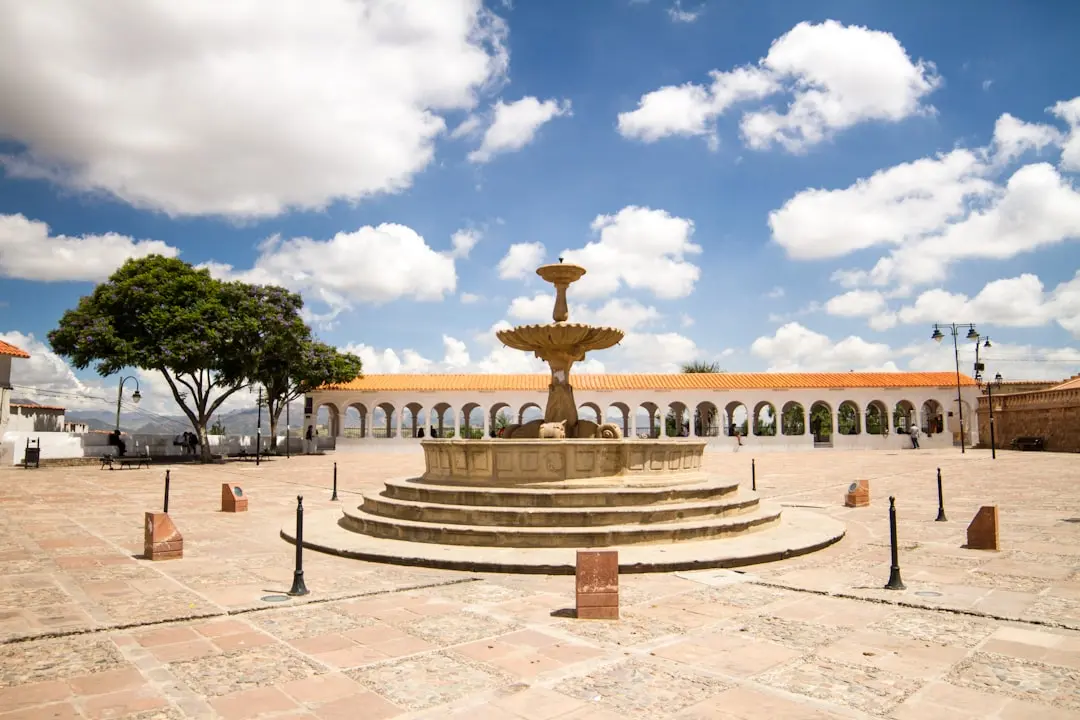
Bolivia Travel Costs in 2026
South America2 destinations to explore. Daily costs average $20 with internet speeds around 25 Mbps and a safety rating of 7.0/10.
La Paz flips your senses: cable cars over a canyon, cholitas in bowler hats, and street food so cheap you'll splurge twice. Independence Day fireworks still echo and September's folkloric Laja festival is around the corner, making this Andean city a bargain-filled, culture-packed adventure right now.
La Paz flips your senses: cable cars over a canyon, cholitas in bowler hats, and street food so cheap you'll splurge twice. Independence Day fireworks still echo and September's folkloric Laja festival is around the corner, making this Andean city a bargain-filled, culture-packed adventure right now.
Bolivia Travel Costs at a Glance
- Bolivia currently has 2 indexed destination pages on this site.
- Average daily cost for backpacker travel is about $20, with an average score of 8.2/10.
- Top-rated city is La Paz and the most affordable option is La Paz.
- Average fixed internet speed is 25 Mbps and safety is 7.0/10 based on current dataset values.
Is Bolivia Expensive?
Bolivia is one of the cheapest countries to visit in South America. The average backpacker gets by on $20 a day, or $600 a month, while digital nomads typically spend $35 a day. Luxury travelers can expect to pay $180 a day, but that buys a lot: private guides, fine dining, and high-end hotels in cities like La Paz and Sucre.
The low daily costs come from a weak local currency and a low-wage economy. The boliviano has been stable, but prices for local goods and services remain far below regional neighbors like Peru or Chile. Hostel beds run $5-10, a set lunch at a market starts at $2.50, and a short city bus ride costs $0.40. What pushes costs up are imported goods — electronics, international food, and fuel — which carry heavy markups. Arriving by air also adds a fixed cost, since international flights into La Paz or Santa Cruz are rarely discounted. Still, once you're in the country, your money goes further than almost anywhere else in the continent.
How Much Does It Cost to Travel in Bolivia?
The two published destinations, La Paz and Sucre, show how much prices can vary within the country, though both are bargains by regional standards. La Paz is the cheapest, with the site listing it as a $20-a-day backpacker destination. That price covers a basic hostel dorm, street food meals, and local minibuses. Sucre, while not far behind, tends to run 15-20% higher for accommodation because it's a smaller city with few hostels and more demand from remote workers, who rate it 7/10. For a mid-range traveler, expect to pay $35-50 a day, which gets you a private room with a bathroom and sit-down restaurant meals. If you want comfort, set aside $100 or more a day for boutique hotels and organized tours.
The gap between the two cities comes down to scale and altitude. La Paz has a huge supply of budget lodging and Uber-like taxi apps that keep fares low. Sucre's historical center is compact, walkable, and pricier — a coffee costs $2.50 instead of $1.50, and a private room runs $30 rather than $20. But even in Sucre, you can still eat well for $5 a day if you stick to market stalls. The real budget shifting happens on long-distance buses: a night bus from La Paz to Sucre can cost $15-25, which can wipe out two days of savings if you splurge on the cama seats.
Best Time to Visit Bolivia
The best time to visit Bolivia is during the dry season, from May to October, when skies are clear and days are warm, though nights get cold, especially in La Paz. Prices peak in June and July, the coolest months, when South American tourists flock to the Altiplano and the highlands. But the real value window is the shoulder season of April and November. The weather is still fine, crowds thin, and accommodation rates drop by 20-30%. If you're flexible, these months offer the best balance of cost and comfort.
The rainy season, from December to March, is both cheaper and more inconvenient. Many high-altitude roads and trails become muddy or closed, but you'll find emptier ruins and lower hotel prices. Carnaval, which falls in February or March, is the one period that spikes accommodation costs even in the wet season, especially in Oruro and La Paz — book months ahead or avoid the holiday. For most travelers, April and November are the sweet spot: you trade a little rain for significant savings. Remember that altitude is a bigger factor than weather: La Paz sits at 3,650 meters, so bring a warm layer for any season.
Getting Around Bolivia
The main route for travelers is between La Paz and Sucre, two of the country's historic capitals. They're roughly 700 kilometers apart, separated by mountains, so the overland trip is slow. Buses (e.g., Trans Omar, Bolívar) cost $15-25 for a 12-15-hour overnight journey, with the cama (reclinable) class worth the extra $5. But the road is winding and can be rough in the rainy season, so a domestic flight is a real timesaver: Boliviana de Aviación (BoA) flies La Paz–Sucre in about 1 hour 20 minutes, with one-way fares from $80 early-booking to $150 peak. There's no reliable rail connection between the two, so bus or flight are your realistic choices.
If you're coming from the south, Sucre connects by bus to Potosí (3-4 hours, $5-8) and Uyuni (7-8 hours, $12-18), but those are outside the published destinations. Within La Paz, getting to a bus terminal is simple with local minibuses or cable cars. Sucre's small airport is only 30 minutes from the city center, and taxi fares are flat around $5. For most visitors, a combination of overnight buses and one internal flight is the most efficient way to hit both cities without wasting daylight.
Visas, Money and Entry Rules for Bolivia
For entry, EU, UK, and most Latin American passport holders can visit Bolivia visa-free for up to 90 days. US, Canadian, and Australian citizens need a tourist visa, which can now be obtained on arrival in many cases, costing around $160 and requiring a passport photo and proof of onward travel. The visa is valid for 30 days, extendable for another 60. Be sure to carry a yellow fever vaccination certificate if you're arriving from Brazil or other endemic countries — without it, you can be turned back.
Money-wise, the boliviano (BOB) is the only accepted currency. ATMs are plentiful in cities but often limit withdrawals and charge 10-15 BOB per transaction ($1.5-2). Cash is king in markets and for small businesses; cards are accepted in hotels, supermarkets, and many restaurants, but always have cash on hand for buses and hostels. Tipping: add about 10% in restaurants if service isn't included, and round up taxi fares. Exchange offices offer similar rates to banks; avoid street changers who give poor rates. Also, bring small bills ($1-$5) for paying exact amounts, as change is often scarce.
All Destinations in Bolivia
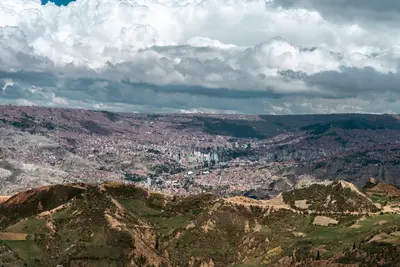 🇧🇴
🇧🇴La Paz
8.5 · ExcellentLa Paz flips your senses: cable cars over a canyon, cholitas in bowler hats, and street food so cheap you'll splurge twice. Independence Day fireworks still echo and September's folkloric Laja festival is around the corner, making this Andean city a bargain-filled, culture-packed adventure right now.
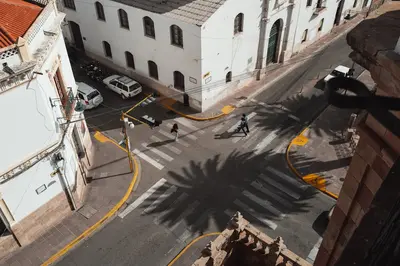 🇧🇴
🇧🇴Sucre
7.8 · GreatSucre, Bolivia's beautiful whitewashed capital, charms with its colonial courtyards and student buzz. Backpackers love the cheap hostels and salteñas, while the calm pace suits digital nomads. August is dry and crisp; watch for the Virgen de Guadalupe festivities on September 8.