
Ecuador Travel Costs in 2026
South America3 destinations to explore. Daily costs average $24 with internet speeds around 62 Mbps and a safety rating of 6.3/10.
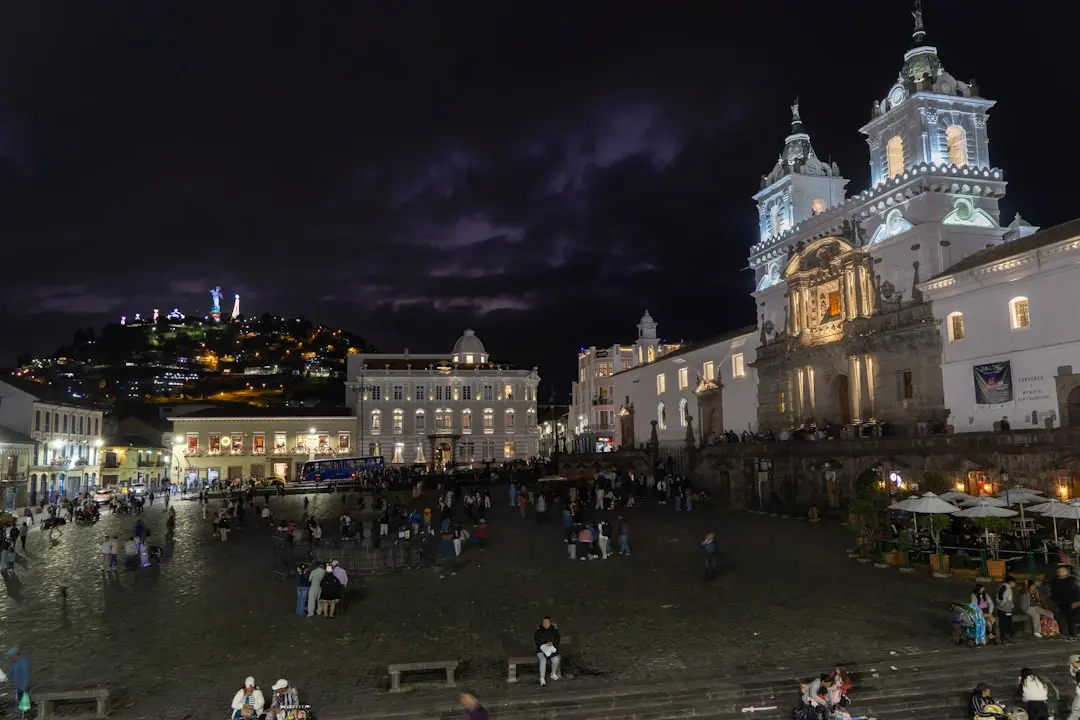
August is an ideal month to visit Quito—dry-season sunshine and celebrations marking Ecuador's independence are in full swing. Join street parades in the historic district, then catch the Teleférico for breathtaking views of Cotopaxi.
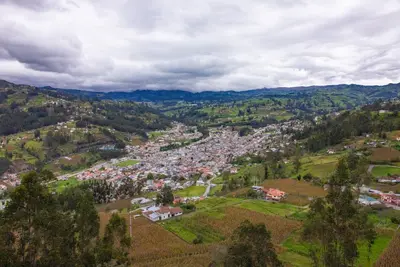
Cuenca is a colonial UNESCO city in the Ecuadorian Andes where moderate temperatures, low prices, and a friendly expat community create an ideal budget base. This August, street festivals and artisan markets animate the plazas; September brings the traditional Fiesta del Maíz as autumn approaches.
Ecuador Travel Costs at a Glance
- Ecuador currently has 3 indexed destination pages on this site.
- Average daily cost for backpacker travel is about $24, with an average score of 7.0/10.
- Top-rated city is Quito and the most affordable option is Cuenca.
- Average fixed internet speed is 62 Mbps and safety is 6.3/10 based on current dataset values.
Is Ecuador Expensive?
Ecuador is a genuinely affordable destination, with average daily costs of $24 for budget travelers, $68 for digital nomads, and $223 for those seeking luxury. That wide spread reflects how the country works: you can eat and sleep cheaply using local markets and hostels, paying roughly $2–3 for almuerzos and $8–12 for a private room outside festivals. But everything imported — fuel, electronics, good wine, rental cars — carries a premium because Ecuador uses the US dollar and has relatively thin supply chains, so the moment you want comfort, your daily spend jumps sharply.
The $68/day nomad figure is realistic if you need a reliable coworking space and a decent apartment for a month; remote workers report Cuenca as the standout, with fixed internet averaging 62 Mbps. Meanwhile, the $223/day luxury tier buys boutique hotels, guided excursions, and fine dining, but you are paying for imported goods and expat services. In short, Ecuador is cheap only if you live like a local; the pricing levels are tiered, and your comfort choices determine whether you spend closer to $22 or $200+ per day.
How Much Does It Cost to Travel in Ecuador?
Within Ecuador, the daily price difference between destinations is modest but real. Cuenca is the cheapest backpacker city at $22/day, while Quito is the most expensive at $25/day — a narrow gap that reflects altitude, tourism demand, and transport connections. Guayaquil sits in between, though its hot, humid climate and business orientation make it less of a tourist base. The cost drivers are accommodation and food: in Cuenca a private hostel room often runs $8–10, while in Quito you might pay $12–15 for a similar room near La Mariscal or the historic center.
For a budget traveler, expect $20–28/day across all three cities, staying in hostels, eating at mercados, and using public buses. A mid-range traveler on roughly $50–70/day can afford private rooms, sit-down meals, and occasional guided tours. If you want comfort — boutique hotels, taxis, and tourist-oriented restaurants — budget $90–120/day. The gap between the cheapest and most expensive destinations is rarely more than $5–8/day for basic travel, so choose Cuenca for value and Quito for access to the highlands; both are equally viable for a remote worker, though Cuenca rates highest at 8.3/10.
Best Time to Visit Ecuador
Ecuador's climate is dictated more by altitude than season, but the highlands (Quito, Cuenca) have a mild, spring-like year-round feel with a dry season from June to September and a wetter period from October to May. The coastal lowlands, including Guayaquil, are hot and humid, with a rainy season from December to April and a dryer, somewhat cooler stretch from June to November. For the highlands, the sweet spot is the shoulder months of May and September–October, when you get fewer tourists, moderate rain, and accommodation prices noticeably below the June–August peak.
The most expensive times to travel are the December–January holidays (especially New Year) and the semana santa week around Easter, when domestic tourists spike prices. During the June–August dry season, expect full hostels and up to 20–30% higher rates for private rooms. If you want both good weather and lower prices, aim for late September or early November in the Andes; you trade a bit of rain for more bargaining power and quieter sights. Carry layers for altitude swings — Quito sits at 2,850 meters, so evenings are chilly even in the dry season.
Getting Around Ecuador
The three published destinations — Quito, Guayaquil, and Cuenca — are well connected by long-distance bus, with the most practical route being the Quito–Guayaquil hop. That bus takes about 8–9 hours and costs roughly $15–18 one-way on operators like Panamericana or Cooperativa Interprovincial; the journey is scenic as you descend the Andes to the coast. Quito to Cuenca takes about 8 hours via bus, costing $10–14, while Guayaquil to Cuenca is a shorter 4–5 hours, around $8–10. Buses are comfortable and air-conditioned, but they are slow on mountain roads.
If you are short on time, domestic flights between Quito and Guayaquil run frequently with TAME or LATAM, typically $60–90 one-way and taking just 45 minutes. Quito–Cuenca flights are less frequent, sometimes via Guayaquil, so most travelers simply bus it. Rail service is limited to a tourist-oriented Tren Ecuador route, not practical for point-to-point travel between cities. Renting a car works for exploring the countryside but expect $40–50 per day plus fuel and tight parking in colonial centers. For the budget-conscious, the bus network is the backbone: it is reliable, cheap, and usually drops you in the city center.
Visas, Money and Entry Rules for Ecuador
For most passport holders (US, Canada, EU, UK, Australia), Ecuador grants a 90-day tourist stamp on arrival, no visa required. Ensure your passport is valid for at least six months from entry; airlines often enforce this. Ecuador uses the US dollar as its official currency, which is a huge convenience for American travelers — no exchange math needed. You will still receive coins in US cents and a few Ecuadorian cuartos, all interchangeable with US coins. Cards are widely accepted in cities, especially Visa and Mastercard, but bring cash for street markets, small hostels, and rural areas.
ATMs are common but be wary of high fees and withdrawal limits; many charge $5–7 per transaction, so take out twice the amount you need when you find a reliable machine. Tipping is modest: 10% is standard in restaurants if no service charge is added, and a dollar or two for porters or guides is fine. A lesser-known entry trap is the requirement to show an onward ticket — some airlines and BorderPolice may ask for proof, so have a printed or digital copy of an exit flight ready. Overland entry from Peru or Colombia is straightforward, and you do not need a yellow fever vaccination unless you are coming from Brazil or a yellow-fever zone.
All Destinations in Ecuador
 🇪🇨
🇪🇨Quito
7.8 · GreatAugust is an ideal month to visit Quito—dry-season sunshine and celebrations marking Ecuador's independence are in full swing. Join street parades in the historic district, then catch the Teleférico for breathtaking views of Cotopaxi.
 🇪🇨
🇪🇨Cuenca
7.3 · GreatCuenca is a colonial UNESCO city in the Ecuadorian Andes where moderate temperatures, low prices, and a friendly expat community create an ideal budget base. This August, street festivals and artisan markets animate the plazas; September brings the traditional Fiesta del Maíz as autumn approaches.
 🇪🇨
🇪🇨Guayaquil
6.0 · GoodGuayaquil offers budget travelers a gritty real Ecuadorian experience with a revamped Malecón, colonial Las Peñas, and cheap street food. August's dry season is perfect for exploring, with Independence Day celebrations just passed. Safety requires caution, but the city's energy is unforgettable.