
Cuenca Travel Costs in 2026: Backpacker, Nomad & Luxury Budgets
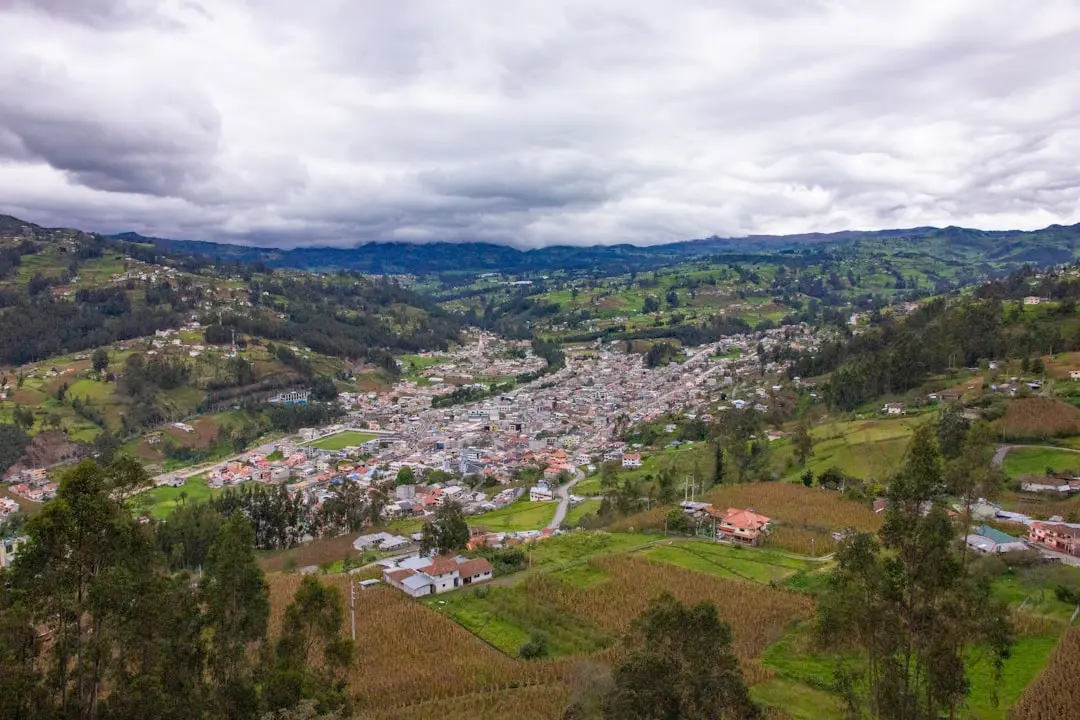
Ecuador · South AmericaCuenca is a colonial UNESCO city in the Ecuadorian Andes where moderate temperatures, low prices, and a friendly expat community create an ideal budget base. This August, street festivals and artisan markets animate the plazas; September brings the traditional Fiesta del Maíz as autumn approaches.
Is Cuenca Expensive? The Short Answer
No — Cuenca is cheap. At $22 a day for backpacker travel it undercuts 85% of the 399 destinations we track.
- A short trip of 4 nights costs about $88, excluding flights.
- A week costs about $154; a month is about $660.
- That works out at $22 a day for backpacker travel.
Living in Cuenca: Backpacker Guide for 2026
Cuenca is a hidden gem for backpackers who love colonial charm without the crowds. With UNESCO-listed cobblestone streets, a mild highland climate, and daily budgets hovering around $20–25, it's a surprisingly comfortable stop on the South America circuit. It doesn't have the frenetic hostel scene of Quito, but the city's slower pace makes room for deeper connections with local artisans, coffee culture, and the Andes countryside. This August you'll find street festivals and community events around the historic plazas, and as September approaches, the traditional Corn Festival (Fiesta del Maíz) kicks off in nearby Andean communities.
Hostel beds start at $8–12 a night, often including breakfast; try Hostal La Casa de las Palmas or Hostal Cimarrón. Street food is a highlight: $2 empanadas, $3 almuerzos (set lunches) with soup and a main, and local fruit juices for $1. On a budget, you can eat like a king for $5–8 a day. Save your money for the free attractions — walking tours around the 30 churches, climbing the Mirador de Turi for panoramic views, and weekend markets like Mercado 10 de Agosto. Cajas National Park is a day-trip bus ride away and costs just a few dollars to enter.
Head to the historic center first if you want to be in the middle of everything; budget hostels cluster around Calle Larga and Padre Aguirre. San Sebastián, a few blocks south, is cheaper and more local, with old-school eateries and a relaxed vibe. Families and longer-term budget travelers often settle near El Vergel, where you can find sub-$200 monthly rooms if you negotiate. The trick is to stay within walking distance of the central tramway and the main plazas so you can skip taxis and buses.
Daily breakdown: $10 hostel, $6 food (almuerzo + street snacks), $3 transport (buses + occasional cab), $3 attraction/beer = about $22. To save more, cook in hostel kitchens, eat at the Mercado 10 de Agosto ($1.50 main plates), and join free walking tours. Watch for altitude — hydrate and take your first day easy. Don't skip the artisan workshops in the Barranco area; watching weavers at work is free and genuinely fascinating. Cuenca rewards slow travelers who follow its rhythm.
How Much Does Cuenca Cost? Daily and Monthly Budget
| Travel style | Day | Week | Month |
|---|---|---|---|
🎒BackpackerHostels, street food, public transport | $22/day | $154/week | $660/month |
💻Digital NomadPrivate room, cafes, coworking spaces | $60/day | $420/week | $1800/month |
✨LuxuryHotels, fine dining, private transfers | $220/day | $1540/week | $6600/month |
Internet Speed in Cuenca for Remote Work
Where to Stay in Cuenca: Best Neighborhoods
El Centro
$The historic heart of Cuenca, with UNESCO-listed colonial plazas, Catedral de la Inmaculada, and the lively Calle Larga. It's medium-priced and popular with tourists and expats, offering boutique shops, cafés, and nightlife.
San Sebastián
$A local, workaday barrio just south of the center known for its authentic markets and family-run eateries. It's budget-friendly, lived-in, and a great place to practice Spanish.
El Vergel
$$An upscale residential area popular with long-term expats and families, offering supermarkets, gated communities, and easy access to the Cajas road. Quieter and safer than the center.
Yanuncay
$A riverside neighborhood stretching along the Yanuncay River with walking paths, cafés, and craft beer spots. Loved by remote workers and couples.
Weather in Cuenca This Week
Pros and Cons of Living in Cuenca
Pros
- +Very affordable cost of living
- +Pleasant spring-like weather year-round
- +Rich colonial architecture (UNESCO)
- +Safe and walkable historic center
- +Friendly expat and nomad community
- +Great base for exploring the Andes and Cajas National Park
- +Reliable (if not blazing fast) internet
- +Delicious and cheap local food
- +Good healthcare facilities and private clinics
- +No major tourist crowds compared to Quito or coastal resorts
Cons
- -High altitude (2,560m) can cause altitude sickness
- -Limited nightlife and party scene
- -Not a beach destination; coast is hours away
- -Some areas require caution after dark
- -Occasional water and infrastructure issues
- -Bank and visa card acceptance can be spotty
- -Getting around without Spanish is harder
- -Public transport can be crowded and slow
- -Luxury options are limited compared to Quito or Guayaquil
- -Cold at night due to altitude, homes often lack heating
Cuenca FAQ: What Travelers Ask Most
Cuenca is one of the safest cities in Ecuador, especially in the central districts. Pickpocketing and occasional burglaries occur, but violent crime is rare. Stick to well-lit streets at night and keep valuables hidden.
Cuenca's highland climate means mild weather year-round, with dry days from June to September and rain from October to May. August and early September offer sunny, cool days and local festivals — a lovely time to visit.
Most visitors from the US, Canada, EU, UK and Australia enter Ecuador visa-free for 90 days. Always check the latest foreign ministry rules before you fly; you may need onward ticket proof.
Average fixed broadband in Cuenca is around 60 Mbps download and 20 Mbps upload, which is fine for streaming and video calls. Some older colonial buildings in El Centro only have ADSL, so check before renting.
Yes, Cuenca is very nomad-friendly, with reliable internet, affordable coworking spaces, and a good community. You can stay up to 90 days as a tourist, and Ecuador offers a digital nomad visa for longer stays (income requirement around $1,270/month).
Cuenca has a modest but active backpacker community; hostels are friendly, cheap, and often social, though not as party heavy as Montañita or Quito. It's a good place for slow travel, meeting long-term travelers, and finding hiking companions.
A backpacker can live on $20–25 a day with hostel and street food; a nomad needs about $60/day including rent and coworking; luxury visitors might spend $200+ per day for a boutique suite and fine dining.
Cities Near Cuenca
The closest destinations across the border, with distance and daily cost
Best Places to Visit in South America
Top-scoring destinations in the same part of the world.
Quick Facts
- Global Rank
- #90 of 399
- Rank in Ecuador
- #2 of 3
- Region
- South America
- Timezone
- Guayaquil
- Weather
- 6.9°C · Mist
- Backpacker
- $22/day
- Digital Nomad
- $60/day
- Luxury
- $220/day
- Monthly (backpacker)
- $660
- Download
- 60 Mbps
- Upload
- 20 Mbps
Score by Travel Style
Do You Need a Visa for Cuenca?
Most Western nationalities (US, Canada, EU, UK, Australia) enter Ecuador visa-free for 90 days. You may be asked to show proof of onward travel and sufficient funds. Ecuador also offers a digital nomad visa for longer stays, requiring around $1,270 monthly income.
Is Cuenca Safe?
Cuenca is generally safe, but be cautious of pickpocketing in crowded areas, especially around markets and transport hubs. Violent crime is rare, and the historic center is well-policed. Avoid walking alone late at night in less busy neighborhoods.