
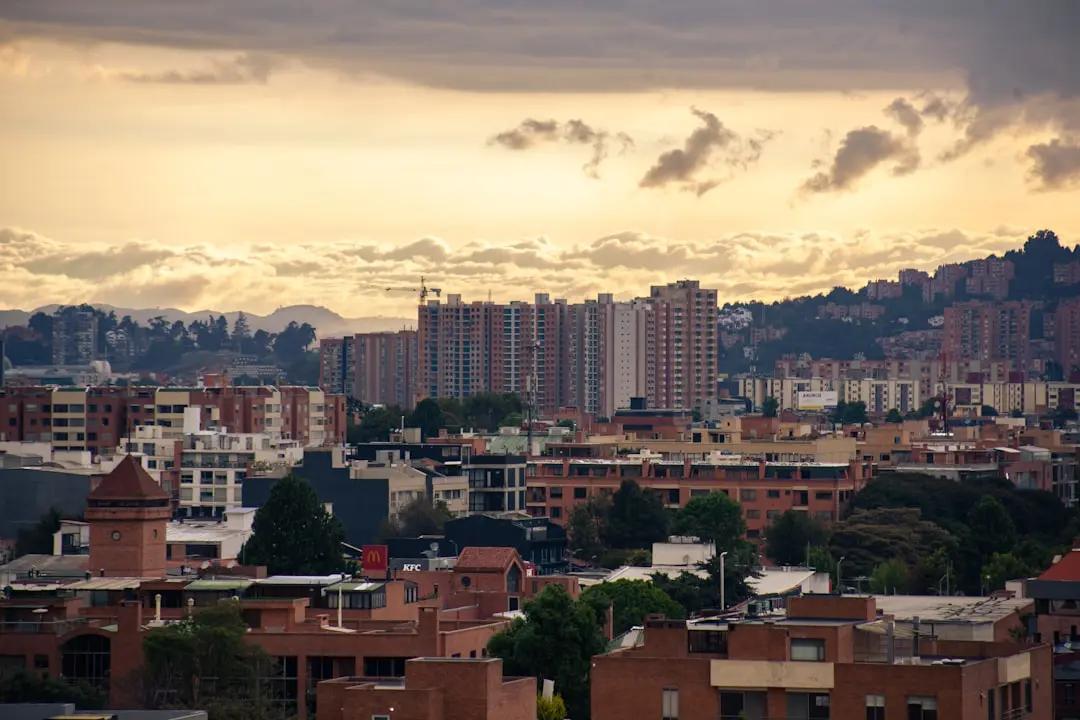
Bogota Travel Costs in 2026: Backpacker, Nomad & Luxury Budgets
Colombia · South AmericaBogotá is a vibrant, high-altitude capital where colonial charm meets urban grit. August brings the Festival de Verano with free concerts and street events, and the city buzzes with energy. It's affordable, surprisingly green, and a magnet for travelers seeking authentic Andean culture, amazing food, and dynamic nightlife.
Is Bogota Expensive? The Short Answer
Bogota is mid-range. At $30 a day for backpacker travel it undercuts 68% of the 399 destinations we track.
- A short trip of 4 nights costs about $120, excluding flights.
- A week costs about $210; a month is about $900.
- That works out at $30 a day for backpacker travel.
Living in Bogota: Backpacker Guide for 2026
Welcome to Bogotá, a city that rewards the budget traveler with gritty charm, world-class street art, and mountains rising right at the edge of town. The vibe is electric — especially in August, when the Festival de Verano fills the streets with free concerts, dancing, and food stalls. You'll spend your days exploring the cobblestone alleys of La Candelaria, riding the cable car up Monserrate, and joining impromptu salsa sessions in basement bars. It's not Southeast Asia cheap, but your dollar stretches further than in most of Latin America.
Hostel life in Bogotá is thriving. The best budget digs cluster in La Candelaria and the lower edge of Chapinero, where dorm beds run $10–15 a night and many include free breakfast and hot showers. For food, hit the local 'corrientazos' — daily-set meals with soup, a main plate, and drink for under $5 — or wander the Paloquemao market for exotic fruit and fresh-pressed juices. Free activities are everywhere: the Graffiti Tour, the Botero Museum, and lazy afternoons in Simón Bolívar Park. On Sundays, the famous Ciclovía closes 100 km of streets to cars, turning the city into a cyclist's paradise.
If you're pinching pennies, base yourself in La Candelaria for atmosphere or in Masaya's neighborhood of Teusaquillo for a quieter, leafy vibe. Both have easy access to the TransMilenio bus system, but be prepared for crowds and pickpockets on night buses. A realistic daily budget: $10 dorm, $8 food, $4 transport, $3 museum tickets, and a couple dollars for a beer — about $25–30 a day. That leaves room for splurges like the $20 climb up Monserrate or a night out in the Zona Rosa's lively bars.
Bogotá is not for the faint of heart — it's raw, loud, and occasionally overwhelming. But if you embrace its chaos, you'll leave with unforgettable stories, a deeper understanding of Colombia, and likely a few new travel friends. Just keep your wits about you, avoid flashing your phone on crowded streets, and you'll find this high-altitude gem one of South America's most rewarding budget stops.
How Much Does Bogota Cost? Daily and Monthly Budget
| Travel style | Day | Week | Month |
|---|---|---|---|
🎒BackpackerHostels, street food, public transport | $30/day | $210/week | $900/month |
💻Digital NomadPrivate room, cafes, coworking spaces | $70/day | $490/week | $2100/month |
✨LuxuryHotels, fine dining, private transfers | $280/day | $1960/week | $8400/month |
Internet Speed in Bogota for Remote Work
Where to Stay in Bogota: Best Neighborhoods
La Candelaria
$The historic heart of Bogotá: colonial streets, museums, street art, and a bohemian vibe. Pricier hostels and economical eateries pack this area. It's the go-to for travelers who want to wake up on a city tour, but be aware of pickpockets on crowded weekends.
Chapinero & Quinta Camacho
$A trendy, youthful zone with cafés, coworking spaces, and a buzzing nightlife. It's the unofficial digital nomad district, with many affordable studios and apartments. Quinta Camacho's tree-lined streets add a chilled, residential feel.
Zona G (La Soledad)
$$The gastronomic hub of the city, packed with upscale restaurants, classic coffee houses, and boutique hotels. A refined neighborhood that transitions well into luxury stays, with easy access to Chapinero and the historic center.
Parque 93
$$Bogotá's modern, high-end district around a leafy park. Home to luxury hotels, chic bars, and designer shops. Extremely safe and walkable, with a cosmopolitan feel that appeals to business travelers and luxury tourists.
Weather in Bogota This Week
Pros and Cons of Living in Bogota
Pros
- +Very affordable compared to major Western cities
- +Rich cultural scene: museums, theaters, and galleries
- +Excellent coffee culture
- +Great local food beyond arepas
- +Cool high-altitude climate (year-round spring-like)
- +Weekend Ciclovía closes streets to cars
- +Close to breathtaking Andean landscapes
- +Vibrant nightlife and salsa clubs
- +Improving safety and growing tourist infrastructure
- +Warm, welcoming local people
Cons
- -High altitude can cause initial headaches or breathlessness
- -Notorious traffic congestion during rush hours
- -Petty theft and phone-snatching in busy areas
- -Public transport (TransMilenio) is crowded and sometimes unreliable
- -Rainy days are common; pack an umbrella
- -Some neighborhoods are unsafe at night
- -Street noise can be intense in central districts
- -Poor air quality in some areas due to vehicle emissions
- -Limited English spoken outside tourist zones
- -Bureaucracy can slow down visa extensions or local processes
Bogota FAQ: What Travelers Ask Most
Bogotá is generally safe if you stay in tourist-friendly areas, keep an eye on your belongings, and avoid walking alone at night in dimly lit zones. Pickpocketing and phone snatching are common in crowded areas, but violent crime against tourists is rare. Use reputable ride-hailing apps like Uber or Cabify and stick to well-frequented streets.
Bogotá has a mild, spring-like climate year-round, but there are two wetter seasons: April–May and October–November. The ideal time is the dry season from December to March, or the equally pleasant June to September. If you visit next month, be aware that August's Festival de Verano adds lively events, but also a few more visitors and occasional afternoon showers.
Tourists from the US, Canada, the EU, Australia, New Zealand, Japan, and many other countries do not need a visa for stays up to 90 days. This can be extended for another 90 days by applying online before your first period expires. Some nationalities, such as those from parts of Africa and Asia, may need to obtain a visa in advance, so always check the latest entry requirements with the Colombian embassy.
Bogotá's fiber infrastructure has improved dramatically, with average download speeds around 50 Mbps and many places offering up to 100 Mbps or more. For remote work, coworking spaces and upscale cafés provide reliable connections. You might occasionally experience interruptions during heavy rains, but overall the internet is dependable for most tasks.
Yes, Bogotá is an increasingly popular digital nomad hub. The low cost of living, decent internet, and a growing community of remote workers make it very feasible. Many nomads base themselves in Chapinero or Zona G for easy access to coworking spaces and cafés. You can legally stay up to 180 days as a tourist, which is enough for a long workation.
The backpacker scene is active and social, centered around hostels in La Candelaria and Teusaquillo. You'll find nightly common areas, organized pub crawls, walking tours, and weekend trips to places like the Salt Cathedral or the wetlands. It's easy to meet fellow travelers from around the world, though the city's size means you'll often move around in small groups.
A backpacker can get by on $25–35 per day (hostel, street food, public transport). A digital nomad typically spends $50–80 per day, including rent and coworking. For luxury travelers, expect $200–400 per day for high-end hotels, fine dining, and private transport. Overall, Bogotá offers excellent value for every budget.
Cities Near Bogota
The closest destinations across the border, with distance and daily cost
Best Places to Visit in South America
Top-scoring destinations in the same part of the world.
Quick Facts
- Global Rank
- #77 of 399
- Rank in Colombia
- #3 of 5
- Region
- South America
- Timezone
- Bogota
- Weather
- 9.7°C · Overcast
- Backpacker
- $30/day
- Digital Nomad
- $70/day
- Luxury
- $280/day
- Monthly (backpacker)
- $900
- Download
- 50 Mbps
- Upload
- 20 Mbps
Score by Travel Style
Do You Need a Visa for Bogota?
Most tourists from the US, Canada, the EU, Australia, Japan, and many Latin American countries can enter Colombia visa-free for up to 90 days. You can extend this with a 'permiso de permanencia' for an additional 90 days, usually done online for about $60 (COP 220,000). Some nationalities may need to apply for a visa in advance, so check the Colombian Ministry of Foreign Affairs website before travel.
Is Bogota Safe?
Bogotá is moderately safe for travelers who exercise caution. Petty theft and pickpocketing are common in crowded areas like TransMilenio stations and busy markets, but violent crime is mostly confined to specific neighborhoods far from tourist zones. Stick to well-frequented areas at night, avoid flashing valuables, and use registered taxis or ride-hailing apps. Safety has improved significantly in recent years.