
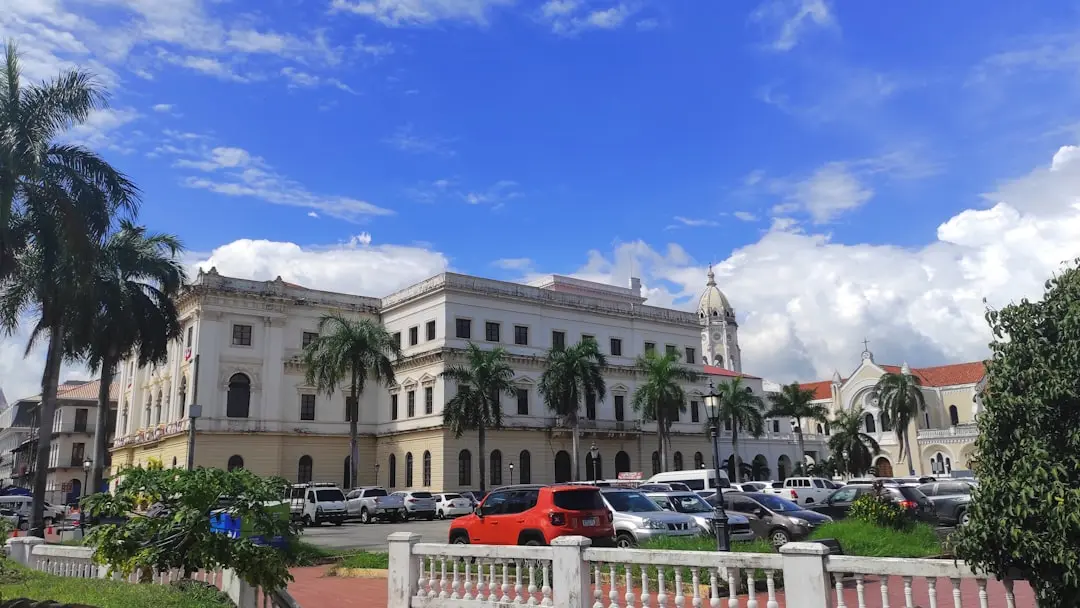
Panama City Travel Costs in 2026: Backpacker, Nomad & Luxury Budgets
Panama · North AmericaA modern metropolis where the Panama Canal meets colonial Casco Viejo. Rainy season brings quiet streets, but August 15th marks the city's founding with parades and cultural events. A gateway to the jungle and beach, with strong Wi-Fi and a cosmopolitan vibe.
Is Panama City Expensive? The Short Answer
Panama City is mid-range. At $30 a day for backpacker travel it undercuts 68% of the 399 destinations we track.
- A short trip of 4 nights costs about $120, excluding flights.
- A week costs about $210; a month is about $900.
- That works out at $30 a day for backpacker travel.
Living in Panama City: Backpacker Guide for 2026
Panama City offers a surprising mix for the budget traveler. While it's pricier than other Central American capitals, the city repays you with a stunning skyline, a historic old town, and easy access to the canal. August is the heart of the rainy season, so expect afternoon downpours—but also fewer tourists and lower hostel rates. The vibe is energetic, with locals celebrating the city's anniversary on August 15th with parades and folk performances, making it a lively time to explore.
For accommodation, head to Casco Viejo, where charming hostels like Selina Casco Viejo and Hostel Casa Huerta offer beds for $12–18 a night, often with free breakfast and rooftop views. El Cangrejo also has family-run pensiones for as little as $10. Street food is your best friend: a hearty sancocho (chicken soup) costs $2, fresh empanadas $1.50, and tropical juices a dollar. The best free activity is walking the Amador Causeway at sunset, watching ships wait to pass the canal. For just $5, the Miraflores Locks view deck lets you see the engineering miracle up close—it's the one splurge genuinely worth it.
Getting around is cheap: the Metro fare is $0.35 and buses are $0.25. You'll likely spend $10 on a dorm bed, $8 on food, $2 on transport, and $5 on fun, totaling about $30 a day. To stretch further, use the communal kitchen in your hostel—hostels like Serrano's and Wunderbar offer co-op meal nights. Stick to the neighborhood of Casco Viejo and El Cangrejo for the friendliest traveler scene; a hostel bar crawl makes meeting people easy. Carry a rain poncho and mosquito repellent—the Caribbean climate demands it. While not as dirt-cheap as Southeast Asia, Panama City packs incredible value, especially in the rainy season.
How Much Does Panama City Cost? Daily and Monthly Budget
| Travel style | Day | Week | Month |
|---|---|---|---|
🎒BackpackerHostels, street food, public transport | $30/day | $210/week | $900/month |
💻Digital NomadPrivate room, cafes, coworking spaces | $75/day | $525/week | $2250/month |
✨LuxuryHotels, fine dining, private transfers | $300/day | $2100/week | $9000/month |
Internet Speed in Panama City for Remote Work
Where to Stay in Panama City: Best Neighborhoods
Casco Viejo
$A UNESCO World Heritage site with cobblestone streets, colonial buildings, and a lively mix of hostels, boutique hotels, and nightlife. Safe during the day, it transforms into a party hub at night. Price level is medium, with options for all budgets.
El Cangrejo
$A central, residential area popular with expats and backpackers. It offers budget guesthouses, local eateries, and a lively nightlife scene. Convenient to the Via Argentina food street and the Metro.
Punta Pacifica
$$The modern luxury enclave with flashy skyscrapers, ocean views, and upscale shopping. Popular with nomads and business travelers. High-end dining and amenities are within walking distance.
San Francisco
$A more local, residential neighborhood with authentic Panamanian restaurants and affordable rentals. It provides a glimpse into everyday life and is great for long-term nomad stays. Mostly safe, but remains less touristy.
Weather in Panama City This Week
Pros and Cons of Living in Panama City
Pros
- +Strong internet speeds (70 Mbps)
- +USD currency (no exchange hassle)
- +Modern infrastructure in the financial district
- +UNESCO-listed Casco Viejo
- +Access to the Panama Canal, a world wonder
- +Tropical climate with nearby Pacific beaches
- +Great seafood and fresh tropical fruits
- +Mix of colonial and modern architecture
- +Visa-free entry for many nationalities
- +Affordable and efficient Metro system
Cons
- -Rainy season can bring heavy afternoon downpours
- -Cost of living higher than Central American neighbors
- -Petty crime in certain areas, especially at night
- -Traffic congestion during peak hours
- -Backpacker community smaller than in other hub cities
- -Persistent heat and humidity
- -Public transport outside the Metro is developing slowly
- -Nightlife can be quiet on weekdays
- -Tourist scams in popular spots like Casco Viejo
- -Some neighborhoods are unsafe after dark
Panama City FAQ: What Travelers Ask Most
Tourist areas like Casco Viejo, El Cangrejo, and Punta Pacifica are generally safe. However, pickpocketing and petty theft happen, especially in crowded markets and at night. Avoid El Chorrillo and San Felipe after dark, and always keep valuables out of sight.
Dry season from January to mid-April is the most comfortable and busiest. August is rainy but with fewer crowds and lower prices; the city's anniversary celebrations on August 15th add a festive atmosphere. For sunseekers, dry season is ideal; for budget travelers, rainy season offers better deals.
Most Western tourists (US, EU, Canada, Australia) receive a 90-day visa on arrival, which can be extended for another 90 days. Some nationalities require a visa beforehand, so check with the Panamanian embassy. Your passport must have at least six months validity.
Panama City has excellent fiber-optic infrastructure, with average download speeds around 70 Mbps. Many coworking spaces offer even faster connections. Wi-Fi in cafés and hotels is generally reliable, making it a solid destination for remote workers.
Absolutely. With fast internet, a growing nomad community, and plenty of coworking spaces, Panama City is a practical base. The tourist visa can stretch to six months, and many nomads report high productivity due to the US time zone and standard currency.
The backpacker community is smaller than in Central American icons like Antigua or Granada, but still vibrant, centered around Casco Viejo and El Cangrejo. Hostels are social, and the metro makes exploring cheap. You'll meet other travelers, though not in the massive numbers of Southeast Asia.
Backpackers can get by on $30 a day (hostels, street food, local transport). Digital nomads typically spend $75–$100 a day for a private studio, coworking, and dining out. Luxury travelers should budget $300+ per day for five-star hotels, fine dining, and exclusive experiences.
Cities Near Panama City
The closest destinations across the border, with distance and daily cost
Best Places to Visit in North America
Top-scoring destinations in the same part of the world.
Quick Facts
- Global Rank
- #117 of 399
- Region
- North America
- Timezone
- Panama
- Weather
- 24.9°C · Overcast
- Backpacker
- $30/day
- Digital Nomad
- $75/day
- Luxury
- $300/day
- Monthly (backpacker)
- $900
- Download
- 70 Mbps
- Upload
- 20 Mbps
Score by Travel Style
Do You Need a Visa for Panama City?
Visitors from the US, Canada, EU, and many Latin American countries receive 90-day tourist visas on arrival, extendable once for an additional 90 days. Some nationalities require pre-approved visas. Check with the Panamanian consulate.
Is Panama City Safe?
Tourist areas are generally safe. Petty crime, especially pickpocketing, can occur in crowded sites. Avoid El Chorrillo and San Felipe after dark.