
Cartagena Travel Costs in 2026: Backpacker, Nomad & Luxury Budgets
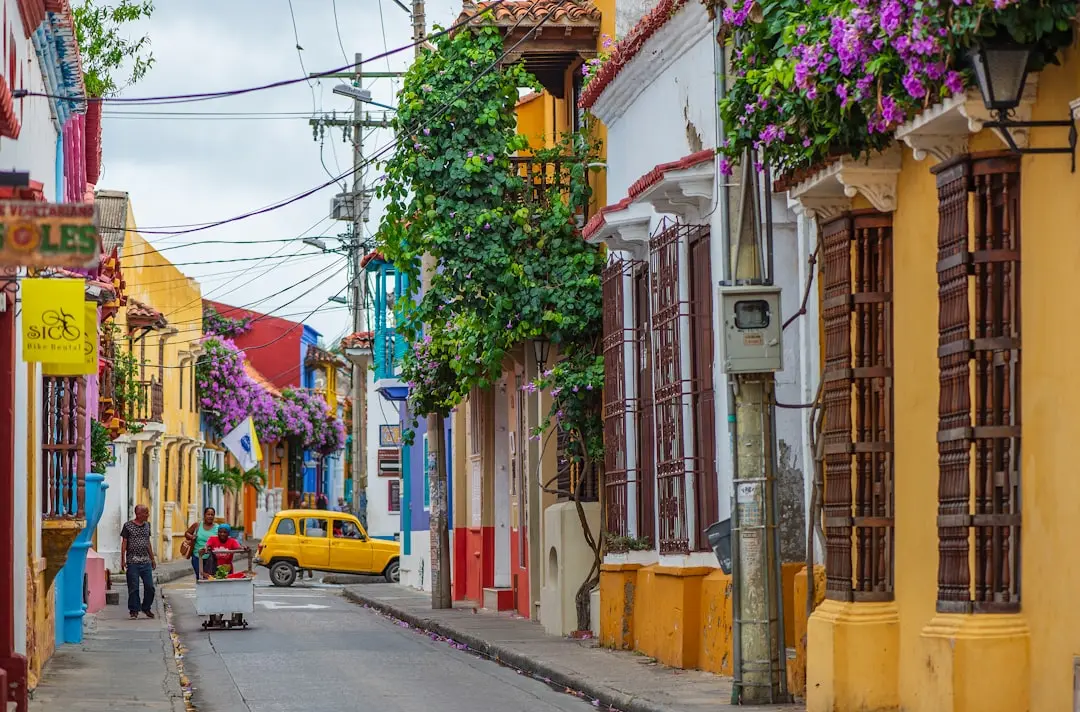
Colombia · South AmericaCartagena's walled Old Town and Getsemaní pulse with Caribbean energy in August, with the annual Jazz Festival arriving in September. Cobblestone streets, colorful balconies, and salsa soca nights make it a hit for budget explorers, remote workers, and luxury lovers alike—so long as you watch your wallet and your surroundings.
Is Cartagena Expensive? The Short Answer
Cartagena is mid-range. At $30 a day for backpacker travel it undercuts 68% of the 399 destinations we track.
- A short trip of 4 nights costs about $120, excluding flights.
- A week costs about $210; a month is about $900.
- That works out at $30 a day for backpacker travel.
Living in Cartagena: Backpacker Guide for 2026
Cartagena can feel like a swaggering, sun-scorched daydream: crumbling colonial ramparts, salsa spilling out of doorways, and sea breeze that actually cools the sweat on your back. For budget travelers, the charm is that you don't need deep pockets to be swept up in it. Just stay in Getsemaní's courtyard hostels, eat arepas and empanadas from street carts, and bus to Playa Blanca for a frankly absurd $8 round trip. The city is partying through August, and the September Jazz Festival will fill free plazas with live Afro-Caribbean rhythms.
Hostels in Getsemaní or the quieter San Diego side of the Old City go for $12-$18 a night, often including a huge breakfast and a rooster's morning call. The Bazurto market is the holy grail for cheap ceviche, fried fish, and costeño cheese, but even in the tourist strip you can eat well for $8 if you skip table service in the plazas. Free stuff is endless: the sunset over the city walls, people-watching in Plaza de la Trinidad after dark, and a self-guided walk from the Clock Tower down through the cobbled streets of the Old City. Climb the San Felipe castle for the view—but pay the student price (just show any ID and act broke).
Getsemaní is the budget backpacker hub: street art, street vendors, hostels like Media Luna and Casa Baño; it's loud, social, and wonderfully gritty. San Diego is quieter and less frantic, with a handful of hostel rooms above colonial buildings. If you want beach life, Playa Blanca is a one-day trip, but overnighting in a hammock is also possible. Avoid the pricier Bocagrande zone for sleeping—it’s all concrete hotels and tourist taxes.
Daily breakdown: hostel $15, food $8, local bus/chair rides $4, museum tickets $5, cold beer $2, and a shared van to Playa Blanca $8 round trip. That puts you at $30-$40 a day if you treat yourself. Skip the horse-drawn carriages, negotiate blue-umbrella tours only if you actually want them, and carry small bills for street vendors. Cartagena rewards the easygoing: rent a bike, eat where locals line up, and you’ll leave sun-drunk and still have cash for the next border hop.
How Much Does Cartagena Cost? Daily and Monthly Budget
| Travel style | Day | Week | Month |
|---|---|---|---|
🎒BackpackerHostels, street food, public transport | $30/day | $210/week | $900/month |
💻Digital NomadPrivate room, cafes, coworking spaces | $80/day | $560/week | $2400/month |
✨LuxuryHotels, fine dining, private transfers | $300/day | $2100/week | $9000/month |
Internet Speed in Cartagena for Remote Work
Where to Stay in Cartagena: Best Neighborhoods
Ciudad Amurallada (Old Town)
$$The historic walled city with colorful colonial buildings, boutique hotels, and upscale restaurants. Prices are higher, but it's the postcard version of Cartagena with easy access to plazas and the sea wall.
Getsemaní
$A vibrant, artistic neighborhood just outside the old city walls. Known for street art, affordable hostels, local eateries, and the lively Plaza de la Trinidad at night.
Bocagrande
$Modern high-rise hotels and condos overlooking the Caribbean Sea. It has beaches, shopping malls, and a more contemporary feel, popular with vacationers and families.
San Diego
$A quieter corner of the historic center with charming plazas, art galleries, and a mix of boutique hotels and residential homes. Great for slower-paced exploration.
Weather in Cartagena This Week
Pros and Cons of Living in Cartagena
Pros
- +Beautiful colonial old town and UNESCO heritage
- +Caribbean beaches (Playa Blanca, Rosario Islands)
- +Rich Afro-Caribbean culture and music
- +Good hostel scene and social vibe
- +Affordable street food and local markets
- +Strong luxury boutique hotel scene
- +Warm tropical weather year-round
- +Growing coworking and digital nomad infrastructure
- +Easy visa-free entry for many nationalities
- +Vibrant festivals and nightlife
Cons
- -Humidity and heat can be draining (especially Aug-Sep)
- -Petty crime, scams, and aggressive street vendors
- -Tourist crowds and inflated prices in the walled city
- -Internet can be unreliable and power flickers
- -Beach conditions vary and strong undertow
- -Water quality issues outside tourist zones
- -Sporadic public transport; taxis require negotiation
- -Rainy season brings sudden downpours
- -Nomad community smaller than Medellín
- -Language barrier outside tourist areas for non-Spanish speakers
Cartagena FAQ: What Travelers Ask Most
Cartagena is generally safe in the popular tourist zones like the Old Town and Getsemaní, but petty theft and phone snatching are common. Avoid walking alone in quiet, dark streets at night and use licensed taxis or ride-hailing apps. Keep your belongings close and don't flash valuables.
The dry season from December to April offers sunny days and less humidity, making it the most popular time. August and September are hot and humid with occasional rain, but the September Jazz Festival is a cultural highlight. May to November is the rainy season, though rain usually comes in short bursts.
Most travelers from the US, UK, EU, Canada, and Australia get a 90-day tourist visa on arrival. You can extend for another 90 days through Migración Colombia. Always verify current visa rules with the Colombian consulate before you go.
Internet speeds average around 30-40 Mbps for download and about 10 Mbps upload in cafés and coworking spaces, though it can vary. Fiber options exist in modern areas, but outages and power flickers are possible. Have a backup SIM from Claro or Tigo for critical work.
Yes, Cartagena supports remote work with several coworking spaces like CocoLabs and a handful of cafés with good Wi-Fi. The nomad community is smaller than Medellín but growing, and the relaxation of beach life can be a big draw. A 90-day tourist visa is enough for a short stint.
Backpackers will find a solid scene centered in Getsemaní, where hostels are cheap and social. The city's vibrant street life, affordable street food, and nearby beach trips make it easy to meet travelers. It's less of a full-on party hub like Bangkok, but there's enough energy and culture to keep you busy.
A backpacker can get by on about $30 a day with a hostel, street food, and local transport. Digital nomads should budget $80-$100 a day for an apartment, coworking, meals, and social life. Luxury travelers can easily spend $300 a day for a boutique hotel, fine dining, and tours.
Cities Near Cartagena
The closest destinations across the border, with distance and daily cost
Best Places to Visit in South America
Top-scoring destinations in the same part of the world.
Quick Facts
- Global Rank
- #99 of 399
- Rank in Colombia
- #4 of 5
- Region
- South America
- Timezone
- Bogota
- Weather
- 26.5°C · Overcast
- Backpacker
- $30/day
- Digital Nomad
- $80/day
- Luxury
- $300/day
- Monthly (backpacker)
- $900
- Download
- 35 Mbps
- Upload
- 12 Mbps
Score by Travel Style
Do You Need a Visa for Cartagena?
Most nationalities (US, UK, EU, Canada, Australia) enter Colombia visa-free for 90 days. A 90-day extension is possible at Migración Colombia. Always check current requirements with your nearest Colombian consulate before traveling.
Is Cartagena Safe?
Cartagena is generally safe for tourists in the walled city and Getsemaní, but petty theft, especially phone snatching, is common. Use common sense at night, avoid empty side streets, and keep valuables out of reach. Stick to licensed taxis or ride-hailing apps.