
Cusco Travel Costs in 2026: Backpacker, Nomad & Luxury Budgets
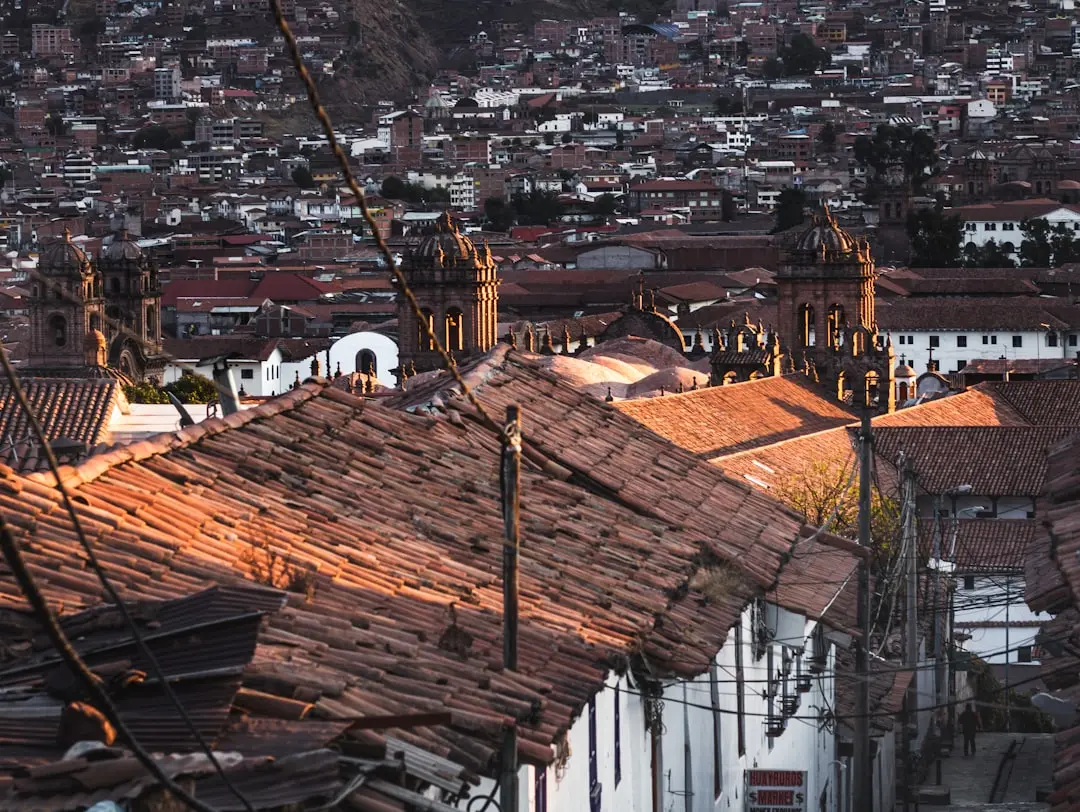
Peru · South AmericaCusco is the backpacker heart of South America, a high-altitude base for Machu Picchu and the Sacred Valley. In August's crisp dry season, the city buzzes with travelers, and the mid-month Fiesta de la Virgen Asunta brings processions and markets to the historic center. Expect affordable hostels, cozy cafés, and stunning Inca stonework.
Is Cusco Expensive? The Short Answer
No — Cusco is cheap. At $25 a day for backpacker travel it undercuts 83% of the 399 destinations we track.
- A short trip of 4 nights costs about $100, excluding flights.
- A week costs about $175; a month is about $750.
- That works out at $25 a day for backpacker travel.
Living in Cusco: Backpacker Guide for 2026
Cusco is the ultimate backpacker gateway to the Andes. The cobblestone streets overflow with budget travelers on their way to Machu Picchu, creating an electric, social atmosphere in the heart of the old Inca capital. At 3,400 meters, the air is thin but the energy is thick — hostels host free walking tours, salsa nights, and hot stone sauna evenings, making it absurdly easy to meet new friends. August is the peak of the dry season, so you'll share the city with thousands of adventurers and enjoy lively street festivals like the Fiesta de la Virgen Asunta.
Hostels are the backbone of Cusco's budget scene. Dorm beds cost $7–12 at places like Wild Rover, Pariwana, or the legendary Loki, most offering free breakfast, hot showers, and oxygen service for altitude sickness. Street-food gods will adore the Mercado San Pedro, where a proper menu del día—soup, main course, and juice—costs just $3–4. Hit the free walking tours that leave from the Plaza de Armas daily, then tackle the ruins of Sacsayhuamán with a $10 tourist ticket or simply hike to Cristo Blanco for panoramic views at sunset.
For the cheapest sleeps, stay in San Blas’s artisan quarter—a five-minute walk to the plaza—or in the bohemian Santa Teresa area; both offer dorms from $6 and are loaded with cheap eateries. A realistic daily budget runs $25–30: $10 for a bed, $10 for food, and $5 for local buses and museum visits (skip the overpriced tourist combos). If you're staying longer, many hostels offer weekly dorm discounts that bring the cost down to $45–50 a week. Trade tips: buy your Machu Picchu ticket online at least a month ahead, carry coca leaves to ease altitude, and book through 3-day Sacred Valley tours through your hostel to cut costs. This slice of Peru is not just a stop—it's the start of a backpacking legend.
How Much Does Cusco Cost? Daily and Monthly Budget
| Travel style | Day | Week | Month |
|---|---|---|---|
🎒BackpackerHostels, street food, public transport | $25/day | $175/week | $750/month |
💻Digital NomadPrivate room, cafes, coworking spaces | $75/day | $525/week | $2250/month |
✨LuxuryHotels, fine dining, private transfers | $250/day | $1750/week | $7500/month |
Internet Speed in Cusco for Remote Work
Where to Stay in Cusco: Best Neighborhoods
San Blas
$The bohemian artisan quarter perched on a hill above the center. Known for folk art galleries, yoga retreats, and panoramic terraces. It's medium-priced and tends to be quieter while still walkable.
Centro Histórico
$$The colonial heart around Plaza de Armas, with cathedral, Inca walls, and lively streets packed with restaurants and tour agencies. It's the most convenient but also the most touristy and expensive.
Santa Teresa
$A local, laid-back neighborhood just west of the center with low-cost hostels, family-run eateries, and fewer crowds. Perfect for budget travelers wanting an authentic stay.
Huancaro
$A modern residential district south of the historic center, popular with long-term expats. You'll find supermarkets, clinics, and gyms, but it's less atmospheric and requires a taxi or bus into the old town.
Weather in Cusco This Week
Pros and Cons of Living in Cusco
Pros
- +Cheap cost of living for backpackers
- +Rich Inca and colonial history
- +Gateway to Machu Picchu and Sacred Valley
- +Vibrant backpacker social scene
- +Delicious and affordable local food
- +High altitude offers cooler weather year-round
- +Many festivals and cultural events
- +Good base for mountain treks (Inca Trail, Rainbow Mountain)
- +Spanish schools and immersive learning
- +Friendly local Quechua community
Cons
- -Altitude sickness (over 3,400 meters) affects many
- -Petty theft and pickpocketing common
- -Overly touristy with constant touts
- -Internet can be slow and unreliable at times
- -Tourist scams and inflated prices for locals
- -Cold nights due to altitude despite sunny days
- -Expensive excursions and entrance fees (Machu Picchu)
- -Loud, crowded streets in peak season
- -Limited nightlife compared to Lima
- -Air pollution from cars and buses in valley
Cusco FAQ: What Travelers Ask Most
Cusco is generally safe, but like most tourist hubs, it has issues with pickpocketing and scam taxi drivers. Stay alert in crowded markets and on buses, and avoid walking alone late at night in the San Pedro and Santiago neighborhoods. Altitude sickness is a more common risk than violence.
The dry season (May to September) is the most reliable, with sunny days and cold nights—August is peak season, so book far ahead. Rainy season (October to April) offers fewer crowds and greener scenery, but trails can be muddy and Machu Picchu can be shrouded. The Inti Raymi festival in June is spectacular but packed.
Most Western travelers get 90-day entry to Peru visa-free, including US, Canadian, EU, UK, and Australian passport holders. US and Canadian citizens pay a ~$29 reciprocity fee at immigration, which allows multiple entries. You can extend once or re-enter by crossing to Bolivia or Chile.
Reliable fiber connections are common in the historic center, with about 25 Mbps download and 10 upload in most cafés and coworking spaces. Homes in peripheral areas can be slower or suffer outages. It's workable for remote jobs but not ideal for heavy video calls without backup.
Yes, though the scene is smaller than in Lima. Dedicated coworking spaces like Los Inkas and Cusco Cowork offer comfortable desks and 20–50 Mbps, and many cafés provide good Wi-Fi. The main drawbacks are altitude and occasional electricity hiccups, so pack a power bank and buy a local SIM with hotspot.
Cusco is arguably South America's backpacker capital, with hostels that are purely social—nightly bar crawls, free tours, and group treks to Machu Picchu. You'll meet countless travelers from around the world, and the city swells with a campfire-and-cerveza vibe in August. Budgets are easy to stretch, and prices for hostels and food are very low.
Backpackers can live on $25–30 per day with a dorm bed, street food, and local buses. Digital nomads should budget about $70–90 per day for a private apartment, coworking, and eating out. Luxury travelers can easily spend $250+ daily on boutique hotels, fine dining, and exclusive Machu Picchu tours.
Cities Near Cusco
The closest destinations across the border, with distance and daily cost
Best Places to Visit in South America
Top-scoring destinations in the same part of the world.
Quick Facts
- Global Rank
- #43 of 399
- Rank in Peru
- #1 of 3
- Region
- South America
- Timezone
- Lima
- Weather
- 10.2°C · Overcast
- Backpacker
- $25/day
- Digital Nomad
- $75/day
- Luxury
- $250/day
- Monthly (backpacker)
- $750
- Download
- 25 Mbps
- Upload
- 10 Mbps
Score by Travel Style
Do You Need a Visa for Cusco?
Peru allows visa-free entry for up to 90 days for most nationalities, including the US, Canada, EU, UK, and Australia. US and Canadian citizens must pay a reciprocity fee of about $29 on arrival. You can extend your stay up to 183 days through a border run or immigration office in Cusco.
Is Cusco Safe?
Generally safe, but pickpocketing and petty theft are common in tourist areas. Avoid walking alone at night near San Pedro market and keep valuables out of sight. Altitude is the bigger health risk.