
Sucre Travel Costs in 2026: Backpacker, Nomad & Luxury Budgets
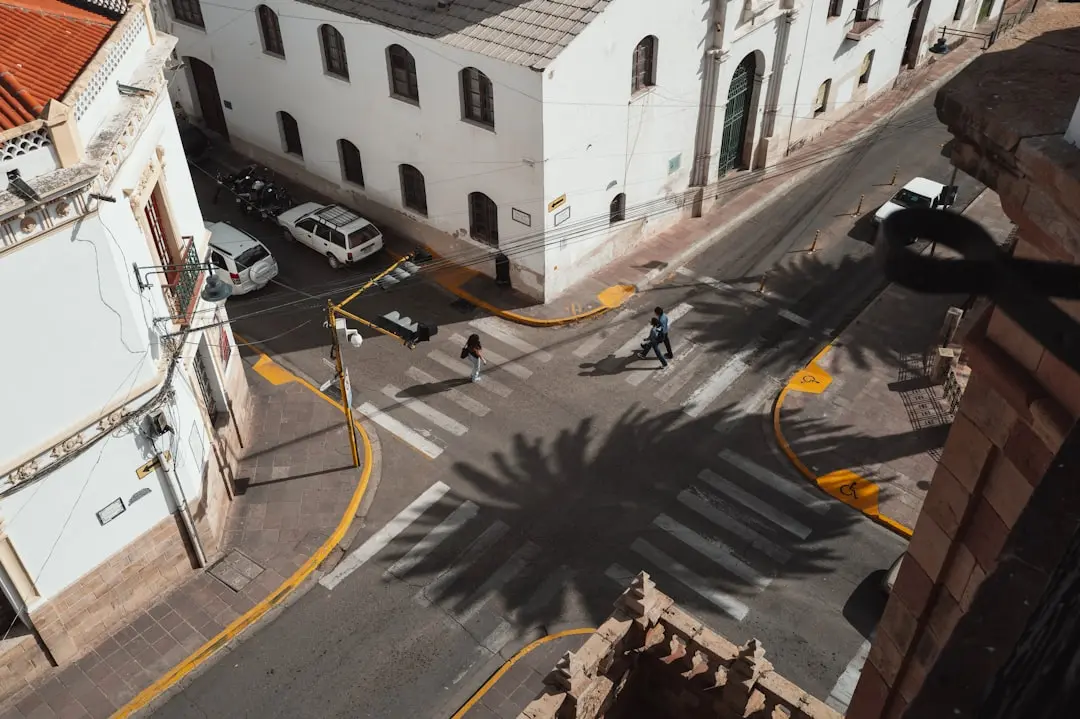
Bolivia · South AmericaSucre, Bolivia's beautiful whitewashed capital, charms with its colonial courtyards and student buzz. Backpackers love the cheap hostels and salteñas, while the calm pace suits digital nomads. August is dry and crisp; watch for the Virgen de Guadalupe festivities on September 8.
Is Sucre Expensive? The Short Answer
No — Sucre is cheap. At $20 a day for backpacker travel it undercuts 95% of the 399 destinations we track.
- A short trip of 4 nights costs about $80, excluding flights.
- A week costs about $140; a month is about $600.
- That works out at $20 a day for backpacker travel.
Living in Sucre: Backpacker Guide for 2026
Sucre is the backpacker's gateway to Bolivia's highlands—a city of blinding white facades, quiet plazas and a lazy pace that makes it easy to stay far longer than planned. While La Paz is all chaos and altitude, Sucre feels like a colonial storybook, and your money goes further here than in almost any other South American hotspot. The dry, sun-drenched days of August are perfect for wandering, and the promise of the Virgen de Guadalupe festival on September 8 adds a festive spark to the week.
Dorm beds hover between $6 and $9 a night at guesthouses like El Huerto and La Casa del Sol, where hammocks, garden courtyards and travel noticeboards fuel a mellow social scene. Street stalls near the Mercado Central serve warm salteñas for under a dollar, and almuerzos (two-course set lunches) at local eateries cost just $2–3, usually with a freshly squeezed juice. For free thrills, hike up to La Recoleta viewpoint at sunset, watch the city turn pink, then amble through the artisan stalls of Plaza 25 de Mayo.
Base yourself in the Centro Histórico if you want the colonial postcard experience—cobblestones, arched doorways and balconies spilling bougainvillea. For even cheaper beds, look just north of the market, where family-run residenciales serve huge breakfasts and charge next to nothing. Sucre is compact and incredibly walkable; a nightly stroll along the Avenida de las Américas is a local tradition.
A realistic backpacker budget lands at $20–25 per day: $7 for a dorm, $5–6 for street food, $3 for buses and museums, and a couple of dollars left over for a coffee in a plaza café. Save extra cash by booking shared vans to Tarabuco on market day, and remember to carry small bills for mercado bargaining. Sucre rewards slow travel—the longer you stay, the less it costs per day.
How Much Does Sucre Cost? Daily and Monthly Budget
| Travel style | Day | Week | Month |
|---|---|---|---|
🎒BackpackerHostels, street food, public transport | $20/day | $140/week | $600/month |
💻Digital NomadPrivate room, cafes, coworking spaces | $40/day | $280/week | $1200/month |
✨LuxuryHotels, fine dining, private transfers | $180/day | $1260/week | $5400/month |
Internet Speed in Sucre for Remote Work
Where to Stay in Sucre: Best Neighborhoods
Centro Histórico
$The colonial heart of Sucre, packed with whitewashed buildings, museums, and cafés. It's the most tourist-friendly area, with mid-range to high prices but an unbeatable atmosphere.
La Recoleta
$$A quiet, leafy neighborhood perched above the center, known for its viewpoint and artisan boutiques. It attracts travelers seeking a more peaceful stay with a touch of elegance.
Mercado Central
$The bustling market district with the city's most affordable food stalls and guesthouses. It's vibrant during the day but less charming at night, ideal for budget travelers.
Weather in Sucre This Week
Pros and Cons of Living in Sucre
Pros
- +Extremely affordable for travelers
- +Beautiful colonial architecture
- +Safe and walkable center
- +Authentic Bolivian culture without crowds
- +Great weather for most of the year (dry highland climate)
- +Student city with lively cafés
- +Good base for exploring the region (Tarabuco, Cal Orck'o)
- +Friendly locals and welcoming atmosphere
- +Low-cost, fresh market food
- +UNESCO-listed historic center
Cons
- -Thin mountain air (2,800m) can take a few days to adjust
- -Limited luxury hotel and fine-dining options
- -Internet can be patchy or slow in places
- -Nightlife is low-key compared to La Paz
- -Flight connections are limited; you'll often transit via La Paz
- -Some travelers find the pace too slow
- -Rainy season (Jan–Mar) can muddy roads
- -No big-city shopping or international brand presence
- -Hard to find a quiet co-working space during university exams
- -Spanish is essential; English not widely spoken
Sucre FAQ: What Travelers Ask Most
Sucre is generally very safe for tourists. Violent crime is rare, but you should still take standard precautions like avoiding dimly lit streets at night and watching your belongings in crowded markets. The central areas are well-policed and welcoming.
The best time is during the dry season from May to October, when days are sunny and skies are clear. August is particularly pleasant, with cool nights and the festive buildup to Virgen de Guadalupe in September. Avoid January–March if you dislike rain.
Most Western travelers receive a 30-day tourist visa on arrival in Bolivia, extendable for another 30 days. Some nationalities require prior visas, so check with a Bolivian consulate before traveling. Always ensure your passport has at least six months of validity.
Internet in Sucre averages 20–30 Mbps in cafés and coworking spaces, with slower speeds in some residential areas. For remote work, a local SIM with 4G data is a good backup. It's not Thailand-fast, but it handles video calls and everyday tasks.
Yes, you can work remotely in Sucre thanks to its low living costs and adequate connectivity. The nomad community is small but growing, with a few coworking spaces and plenty of cozy cafés. Long-term apartment rentals are cheap and flexible.
Sucre has a relaxed, friendly backpacker scene with several social hostels around the Centro Histórico. It's less intense than La Paz, but you'll easily meet other travelers over shared dinners or trips to Tarabuco. Budget accommodation is plentiful and cheap.
Backpackers can get by on $20–25 a day, including a dorm and street food. Digital nomads comfortable with local living might spend $40 a day for a rented apartment and cafés. Luxury travelers can enjoy boutique hotels and fine dining for around $180 a day.
Cities Near Sucre
The closest destinations across the border, with distance and daily cost
Best Places to Visit in South America
Top-scoring destinations in the same part of the world.
Quick Facts
- Global Rank
- #58 of 399
- Rank in Bolivia
- #2 of 2
- Region
- South America
- Timezone
- La Paz
- Weather
- 15.7°C · Clear
- Backpacker
- $20/day
- Digital Nomad
- $40/day
- Luxury
- $180/day
- Monthly (backpacker)
- $600
- Download
- 25 Mbps
- Upload
- 8 Mbps
Score by Travel Style
Do You Need a Visa for Sucre?
Most Western nationalities receive a 30-day tourist visa on arrival in Bolivia, extendable once for another 30 days. Some nationalities need a prior visa; check the nearest Bolivian consulate before travel.
Is Sucre Safe?
Sucre is one of Bolivia's safest cities. Standard precautions apply in markets and at night, but violent crime is rare. Avoid isolated streets after dark and keep valuables out of sight.