
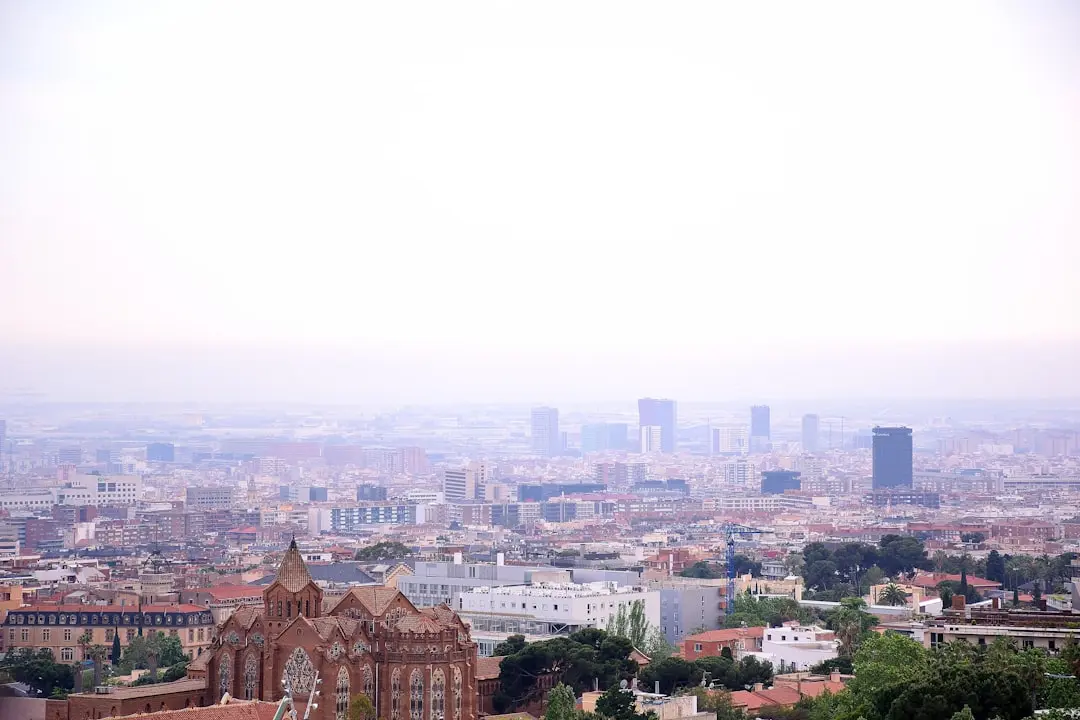
Barcelona Travel Costs in 2026: Backpacker, Nomad & Luxury Budgets
Spain · EuropeBarcelona dazzles with Gaudí's surreal architecture, Mediterranean beaches, and a vibrant urban culture. In August it's hot and buzzing; in September, the city celebrates La Mercè with human towers, live music, and fireworks. Backpackers can enjoy it for around $45/day, nomads for a bit more, and luxury seekers for a splurge.
Is Barcelona Expensive? The Short Answer
Barcelona is mid-range. At $45 a day for backpacker travel it costs more than 56% of the 399 destinations we track.
- A short trip of 4 nights costs about $180, excluding flights.
- A week costs about $315; a month is about $1350.
- That works out at $45 a day for backpacker travel.
Living in Barcelona: Backpacker Guide for 2026
Barcelona is a backpacker's playground—a city where Mediterranean beach days, awe-inspiring Gaudí architecture, and some of Europe's most electric nightlife somehow squeeze into one sun-drenched adventure. In mid-August, the vibe is pure summer: expect packed terraces, beach parties, and late-night cerveza runs. The trade-off: crowds, 30°C heat, and slightly higher prices. Budget travelers who stay smart—choosing hostels in Gràcia over the tourist trap of the Gothic Quarter, eating where locals eat, and using free attractions—can still have an unforgettable trip for around €40 a day.
Sleeping cheap is easy. Hostel One Paralelo and Kabul Party Hostel are legendary for instant social scenes; Caballo de Troya and Yeah Hostel offer modern dorms from €18–25. For food, hit La Boqueria for jamón-and-manchego bocadillos, a local 'menú del día' for €12–15, and tapas at any bar during the early-evening 'tapas rush.' Free activities shine: wander the beachfront, catch the sunset at Bunkers del Carmel, explore the medieval Gòtic Quarter, or attend one of the many free summer festivals and open-air cinema nights.
For bases, Gràcia is the budget traveler's sweet spot—a bohemian, village-like vibe with leafy plazas and cheaper restaurants. Poble-sec offers edgy nightlife and easy Montjuïc access, while Raval has rock-bottom dorms but needs street-smarts after dark. You can walk across much of the city, but the metro's T-casual card gives 10 rides for around €12, a great deal. Staying slightly outside the center like Poblenou gives you a local beach neighborhood with a laid-back feel.
A realistic daily budget: hostel €18–25, food €12–18, metro €2–4, plus €5–10 for a museum or drink. To stretch further, buy groceries at Mercadona, take advantage of the €3–5 'cheap menu' at lunch, and use free walking tours (tip-based). Spain's 2026 'menu del día' lunch deals are still one of Europe's best values. Overall, you can live like a king on a backpacker's budget if you avoid the tourist zone and embrace local life.
How Much Does Barcelona Cost? Daily and Monthly Budget
| Travel style | Day | Week | Month |
|---|---|---|---|
🎒BackpackerHostels, street food, public transport | $45/day | $315/week | $1350/month |
💻Digital NomadPrivate room, cafes, coworking spaces | $75/day | $525/week | $2250/month |
✨LuxuryHotels, fine dining, private transfers | $260/day | $1820/week | $7800/month |
Internet Speed in Barcelona for Remote Work
Where to Stay in Barcelona: Best Neighborhoods
Gothic Quarter
$The historic heart of Barcelona, with medieval streets, ancient Roman walls, and atmospheric plazas. It's tourist-heavy, but the mix of bars, street performers, and hidden spots is exhilarating.
El Born
$A trendy area of narrow streets, boutique shops, and fashionable cafés. It's slightly less crowded than the Gothic Quarter but still packed with charm, perfect for foodies and those who want a stylish base.
Gràcia
$A bohemian, village-like neighborhood with a strong local identity. Plazas like Virreina and Sol are hubs of life, filled with indie bars and independent shops. One of the more affordable areas for long-term stays.
Eixample
$$Barcelona's upscale district, famous for its grid layout and modernist architecture, including the Sagrada Família. Elegant, safe, and filled with luxury hotels, designer shops, and fine dining.
Weather in Barcelona This Week
Pros and Cons of Living in Barcelona
Pros
- +Gorgeous architecture by Gaudí and other modernists
- +Stunning Mediterranean beaches with a lively boardwalk
- +Excellent public transport network
- +Vibrant nightlife from tapas bars to beach clubs
- +Huge digital nomad community and events
- +World-class gastronomy, including many Michelin-starred restaurants
- +Warm climate year-round, perfect for outdoor life
- +Rich cultural scene: museums, festivals, music, flamenco
- +Walkable city with lots of green spaces (Montjuïc, Ciutadella)
- +Strong Catalan identity and unique traditions
Cons
- -Crowded in peak season, especially August
- -Pickpocketing is a real problem in tourist hotspots
- -Cost of living is higher than the rest of Spain
- -Summers are hot and humid
- -Noise and nightlife can disrupt sleep in central neighborhoods
- -Bureaucratic hurdles for long-term permits and visas
- -Touristification is raising rents and pushing out locals
- -Some neighborhoods feel unsafe at night
- -Limited local job market outside of tourism
- -Public transport strikes occasionally disrupt travel
Barcelona FAQ: What Travelers Ask Most
Overall yes, but petty crime is a concern. Pickpocketing and bag snatching occur in busy areas like Las Ramblas, the Gothic Quarter, and metro stations. Keep valuables hidden, avoid unlit alleys at night, and use common sense.
May–June and September–October offer the best balance of warm weather, fewer crowds, and moderate prices. December is cooler but festive; August is hot, humid, and packed with tourists.
Since Spain is in the Schengen Zone, many non-EU visitors (US, UK, Canada, Australia, etc.) can stay 90 days visa-free per 180-day period. Longer stays require a visa, such as the Digital Nomad Visa.
Excellent—average fixed broadband speeds are well over 100 Mbps with fiber optics available throughout the city. Coworking spaces and cafés offer reliable Wi-Fi, making remote work seamless.
Yes, it's one of Europe's best remote-work hubs. The Digital Nomad Visa allows stays up to a year, and the city is full of coworking spaces, networking events, and a large international community.
Excellent. Hostels like Kabul and Hostel One are legendary for social activities, bar crawls, and organized tours. The city also offers cheap eats, free sightseeing, and a vibrant beach culture that attracts budget travelers.
Backpackers can get by on $45/day with hostels and supermarket meals; nomads typically spend $75–90/day on a studio, coworking, and dining out; luxury travelers easily spend $260+ per day on five-star hotels, fine dining, and premium experiences.
Cities Near Barcelona
The closest destinations across the border, with distance and daily cost
Best Places to Visit in Europe
Top-scoring destinations in the same part of the world.
Quick Facts
- Global Rank
- #173 of 399
- Rank in Spain
- #5 of 5
- Region
- Europe
- Timezone
- Madrid
- Weather
- 19.8°C · Light drizzle
- Backpacker
- $45/day
- Digital Nomad
- $75/day
- Luxury
- $260/day
- Monthly (backpacker)
- $1350
- Download
- 150 Mbps
- Upload
- 75 Mbps
Score by Travel Style
Do You Need a Visa for Barcelona?
Many nationalities (US, UK, Canada, Australia, etc.) can enter Spain visa-free for 90 days within a 180-day period. For longer stays, Spain's Digital Nomad Visa allows remote workers to reside for up to one year, requiring employment with a foreign company and proof of sufficient income.
Is Barcelona Safe?
Barcelona is generally safe, but tourists are frequent targets for pickpockets, especially in the metro and crowded landmarks. Avoid walking alone late at night through El Raval and the outer fringes of the Gòtic Quarter. Keep belongings zipped and stay alert in La Boqueria and on Las Ramblas.