
Valencia Travel Costs in 2026: Backpacker, Nomad & Luxury Budgets
Spain · EuropeValencia is a sun-soaked gem on Spain's east coast, blending futuristic architecture with a relaxed Mediterranean vibe. Budget travelers thrive on affordable paella, free beach days, and a lively hostel scene, while the digital nomad community is growing fast with excellent fiber internet. Plus, La Tomatina is coming up on August 26, 2026 — a must-see spectacle just a short bus ride away!
Is Valencia Expensive? The Short Answer
Valencia is mid-range. At $40 a day for backpacker travel it costs more than 51% of the 399 destinations we track.
- A short trip of 4 nights costs about $160, excluding flights.
- A week costs about $280; a month is about $1200.
- That works out at $40 a day for backpacker travel.
Living in Valencia: Backpacker Guide for 2026
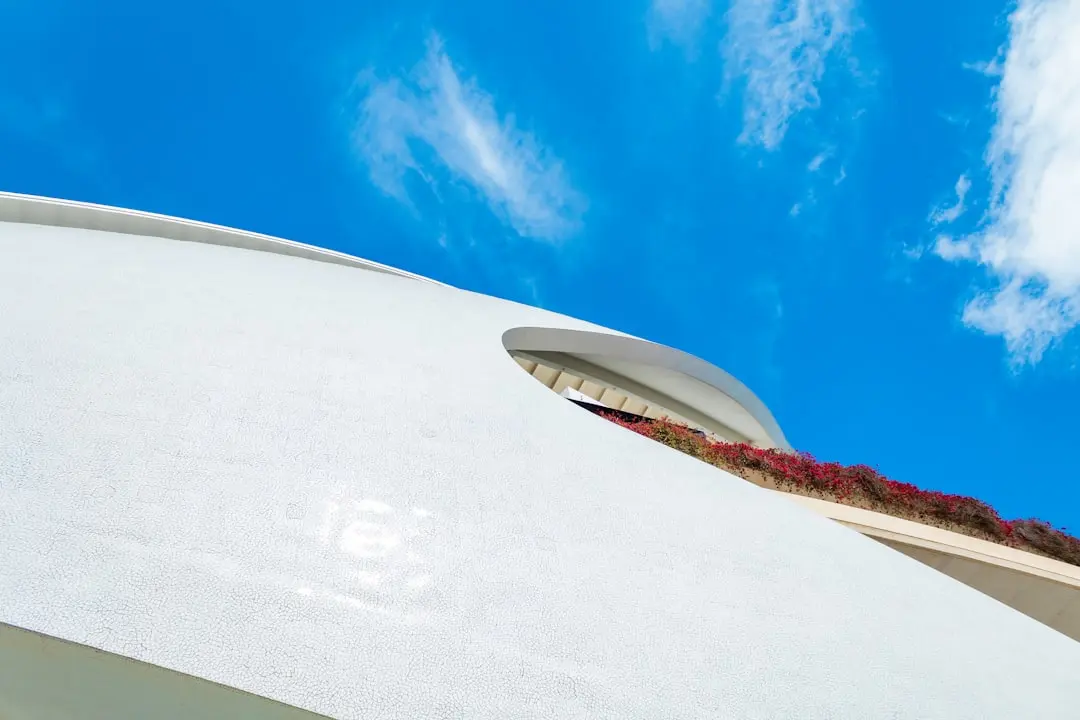
Welcome to Valencia, where your money goes further than in Barcelona or Madrid and the quality of life is off the charts. This city is a backpacker's dream: it's compact, walkable, and packed with free things to do, from the futuristic City of Arts and Sciences to the lush Turia Gardens. The vibe is laid-back, and with locals who are genuinely friendly, you'll feel at home quickly. Right now, the city is buzzing with pre-fiesta energy for La Tomatina in nearby Buñol — a chaotic, tomato-filled celebration that's totally free to watch or cheap to join.
For accommodation, head to Ruzafa or El Carmen for the best hostels. Beds go for $15–22 a night, with options like Valencia Youth Hostel in Ruzafa offering rooftop terraces and social events. Street food and tapas bars are a budget traveler's best friend: grab a €2.50 beer with a free tapa, feast on a €5 menu del día at lunch, or try a delicious horchata with fartons for dessert. Supermarkets like Mercadona keep food costs down, and the Central Market is perfect for a budget picnic.
Staying in Ruzafa is a no-brainer — it's the hippest neighborhood with colorful street art, vintage shops, and affordable bars. El Carmen is more historical and lively, while the beach neighborhood of Malvarrosa offers budget hostels right by the sea. Public transport is cheap (a single metro ride is €1.50), and renting a bike for the day costs only $10. If you're feeling social, hostel pub crawls and walking tours are everywhere.
Daily budget breakdown: hostel $20, meals $15, transport $5, and fun $10 — total around $50, but you can trim it to $35 by cooking. To save even more, visit on free museum days (most are free on Sundays), make lunch your big meal, and take advantage of Valencia's many public drinking fountains. With its mix of culture, beach, and affordability, Valencia is a backpacker paradise that's still cheap enough to stretch your trip for weeks.
How Much Does Valencia Cost? Daily and Monthly Budget
| Travel style | Day | Week | Month |
|---|---|---|---|
🎒BackpackerHostels, street food, public transport | $40/day | $280/week | $1200/month |
💻Digital NomadPrivate room, cafes, coworking spaces | $90/day | $630/week | $2700/month |
✨LuxuryHotels, fine dining, private transfers | $280/day | $1960/week | $8400/month |
Internet Speed in Valencia for Remote Work
Where to Stay in Valencia: Best Neighborhoods
Ruzafa
$Ruzafa (Russafa) is Valencia's most vibrant and multicultural neighborhood, known for its street art, indie shops, tapas bars, and an artsy bohemian vibe. It's a favorite among backpackers and digital nomads for its affordable yet stylish apartments and lively nightlife. Price level is medium, with hostels and Airbnb options from $25.
El Carmen
$El Carmen is the historic heart of Valencia, with winding medieval streets, ancient city gates, and a rich cultural atmosphere. It's perfect for travelers who want to be close to every top attraction. Expect plenty of budget hostels and mid-range hotels, with a vibrant bar scene and traditional restaurants. Price level is medium.
Gran Vía
$$Gran Vía is an elegant, upscale boulevard lined with early-20th-century buildings, designer shops, and refined cafes. It's ideal for luxury travelers who want a sophisticated base near the city center. This neighborhood exudes class with its wide sidewalks and tree-lined ambience.
Malvarrosa (Beach)
$Malvarrosa is the beachfront neighborhood, stretching along the Mediterranean coast. In summer, it's lively with casual beach bars (chiringuitos) and seafood restaurants. Perfect for backpackers and nomads seeking a relaxed seaside lifestyle. You'll find budget hostels right by the sand and a great sunset atmosphere.
Ciutat de les Arts (City of Arts)
$$This modern district is dominated by the famous City of Arts and Sciences complex, featuring an opera house, science museum, and aquarium. It's a futuristic area with sleek architecture, overpasses, and landscaped gardens. The neighborhood is quiet, upscale, and popular with business travelers and luxury visitors.
Weather in Valencia This Week
Pros and Cons of Living in Valencia
Pros
- +Affordable compared to Barcelona and Madrid
- +Excellent public transportation
- +Beautiful beaches within walking distance
- +World-famous gastronomy, including authentic paella
- +Rich history and culture without tourist overload
- +Great weather year-round
- +Fast fiber internet
- +Growing digital nomad community
- +Lively festivals like Las Fallas and La Tomatina
- +Safe and walkable city
Cons
- -Summer can be extremely hot
- -Limited nightlife compared to Madrid/Barcelona
- -Some local job opportunities limited
- -English not as widely spoken
- -Bureaucracy can be slow for long-term visas
- -Airport is far from city center
- -Public transport stops early at night
- -Beach can be crowded during peak season
- -Historic center can be touristy
- -Certain neighborhoods have shallow development
Valencia FAQ: What Travelers Ask Most
Yes, Valencia is very safe for tourists. Violent crime is rare, but petty theft like pickpocketing can occur in crowded areas like the Metro, the Beach, and during festivals. Always keep your valuables secure and stay alert in busy public spaces. It's generally considered one of Spain's safest cities.
The best time is from March to June and September to November when weather is mild and pleasant. In spring you can experience Las Fallas in March, and in late August the famous La Tomatina occurs nearby. Summer (July-August) is hot and crowded with peak prices, while winter is mild but some beach facilities close.
Valencia is in Spain, part of the Schengen Area. Many non-EU citizens (US, UK, Canada, Australia) can visit visa-free for up to 90 days within 180 days. For longer stays, Spain offers a digital nomad visa and other options. Always check with the Spanish consulate for your specific nationality.
Internet is excellent in Valencia. Fiber optic connections are widespread, with average download speeds around 120 Mbps. Both in apartments and coworking spaces, you'll find reliable connections suitable for video calls and heavy data work. Some cafes also offer strong Wi-Fi, but coworking is more reliable for work.
Absolutely. Valencia is a great remote work hub with many coworking spaces, a growing nomad community, and affordable cost of living. The digital nomad visa in Spain allows one-year stays, renewable to five, if you earn a certain threshold from foreign clients. Networking events are regular, especially in Ruzafa.
Valencia has a lively backpacker scene with plenty of hostels, budget-friendly tapas bars, and free activities like walking the Turia Gardens or visiting the beach. Many hostels organize social events, walking tours, and pub crawls, making it easy to meet other travelers. It's slightly less crowded than Barcelona but still vibrant.
Valencia is very affordable. Backpackers can live on about $40/day including accommodation, food, and transport. Digital nomads typically spend $90/day, covering rent, coworking, and meals. Luxury travelers can indulge in fine dining and five-star hotels for around $280/day. Prices vary with season and lifestyle choices.
Cities Near Valencia
The closest destinations across the border, with distance and daily cost
Best Places to Visit in Europe
Top-scoring destinations in the same part of the world.
Quick Facts
- Global Rank
- #36 of 399
- Rank in Spain
- #1 of 5
- Region
- Europe
- Timezone
- Madrid
- Weather
- 20.8°C · Overcast
- Backpacker
- $40/day
- Digital Nomad
- $90/day
- Luxury
- $280/day
- Monthly (backpacker)
- $1200
- Download
- 120 Mbps
- Upload
- 30 Mbps
Score by Travel Style
Do You Need a Visa for Valencia?
Spain is part of the Schengen Area. For many non-EU citizens (like US, Canada, Australia), a visa-free stay of up to 90 days in a 180-day period is allowed. For longer stays, consider a digital nomad visa or other residence permits. Always check with the Spanish consulate for your nationality.
Is Valencia Safe?
Valencia is very safe by global standards. Violent crime is rare, though petty theft can occur in tourist hotspots like the beach and metro. Use normal precautions, keep an eye on your belongings, especially during festivals.