
Porto Travel Costs in 2026: Backpacker, Nomad & Luxury Budgets
Portugal · EuropePorto is a vibrant riverside gem with excellent affordability, thriving backpacker and nomad scenes, and a touch of elegance. August brings summer crowds and the Festa de Nossa Senhora da Assunção (Aug 15) — expect lively streets, great port wine, and sun-drenched plazas. Perfect for budget travelers and remote workers alike, while luxury seekers find chic but understated indulgence.
Is Porto Expensive? The Short Answer
Porto is mid-range. At $35 a day for backpacker travel it undercuts 57% of the 399 destinations we track.
- A short trip of 4 nights costs about $140, excluding flights.
- A week costs about $245; a month is about $1050.
- That works out at $35 a day for backpacker travel.
Living in Porto: Backpacker Guide for 2026
Porto is Portugal’s undisputed backpacker gem, offering all the charm of Lisbon at a fraction of the price. August is peak season, so the city buzzes with street festivals, open-air concerts, and the Festa de Nossa Senhora da Assunção on the 15th. The vibe is super social—you’ll find solo travelers and small groups swapping tips over pastéis de nata in sun-drenched plazas. Cobbled hills and river views make every walk feel like an adventure, even when you’re lost.
For sleep, head to Porto’s top-rated hostels: Hostel Poets Porto (a converted stately home with free sangria socials), The Passenger Hostel (right by the station, perfect for meeting people), or Gaol Boutique Hostel for a quirky, creative design. Food is cheap and glorious—grab a francesinha (the city’s legendary sandwich) for under €8, snack on grilled sardines at Mercado do Bolhão, and enjoy a glass of Port wine for €2 at the cellars across the river in Gaia. Free stuff: climb the Clérigos Tower (€5, but worth it), wander the Livraria Lello (booking a ticket online €15, but you can peek from outside), and walk the Ribeira Cais at sunset—these views cost nothing.
Stay in Cedofeita or Bonfim for backpacker-friendly prices. Cedofeita is full of street art, indie bars, and boutique hostels, while Bonfim is the up-and-coming hipster enclave with craft breweries and late-night spots. Ribeira is pricier but puts you right on the river—great for ambiance, less great for your wallet. To save, use the city’s Metro (the only metro in Portugal outside Lisbon) and eat at tascas where the menu of the day is written on a blackboard. A daily budget of $35 covers a hostel bed, three square meals, and a couple of local beers. Stretch it further by buying groceries at Pingo Doce and cooking in your hostel’s kitchen. Keep an eye out for free walking tours—they run daily and end at a bar where you’ll make instant friends. Porto is safe, walkable, and utterly addictive; you’ll likely extend your stay before you know it.
How Much Does Porto Cost? Daily and Monthly Budget
| Travel style | Day | Week | Month |
|---|---|---|---|
🎒BackpackerHostels, street food, public transport | $35/day | $245/week | $1050/month |
💻Digital NomadPrivate room, cafes, coworking spaces | $60/day | $420/week | $1800/month |
✨LuxuryHotels, fine dining, private transfers | $180/day | $1260/week | $5400/month |
Internet Speed in Porto for Remote Work
Where to Stay in Porto: Best Neighborhoods
Ribeira
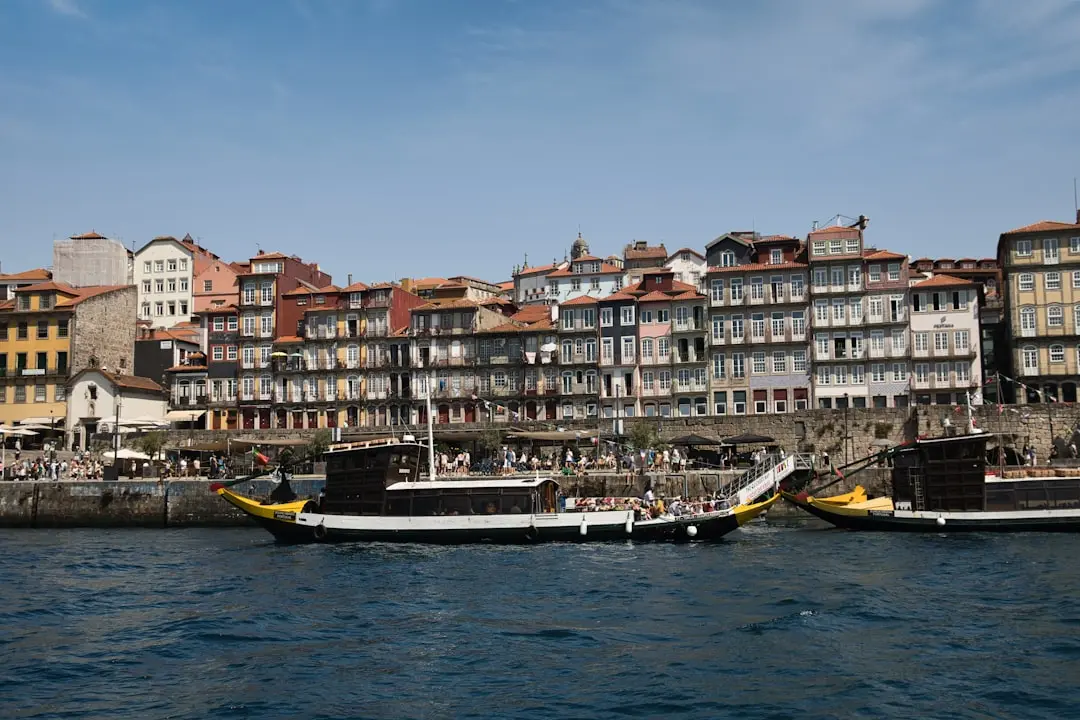
$$The historic riverside district, a UNESCO World Heritage site with cobbled streets, colorful houses, and touristy restaurants. It’s stunning at sunset but busy and pricey. Ideal for short visits and luxury stays with river views.
Cedofeita
$A trendy, creative hub filled with street art, indie boutiques, and cozy cafés. Popular among backpackers and nomads for its affordable rents and lively atmosphere. Close to the city center and well-connected by metro.
Bonfim
$An up-and-coming hipster neighborhood east of the center, known for craft breweries, alternative venues, and community spirit. Still relatively cheap, it’s perfect for backpackers and edgy nomads seeking an authentic local vibe.
Foz do Douro
$$An elegant, residential district where the river meets the Atlantic. Lined with mansions, a boardwalk, and quiet beaches, it’s the go-to for luxury travelers and families. Offers a serene escape from the bustling center.
Vila Nova de Gaia
$Just across the river, Gaia is the heart of Port wine production. Famous for its wine lodges and panoramic views of Porto’s old town. A mix of upscale wine tourism and scenic strolls along the riverfront.
Weather in Porto This Week
Pros and Cons of Living in Porto
Pros
- +Affordable cost of living compared to Lisbon and Western Europe
- +Rich cultural heritage with UNESCO-listed sites and street art
- +Excellent food scene featuring francesinha, seafood, and pastéis de nata
- +Fast and reliable internet with abundant coworking spaces
- +Safe city with low crime and welcoming locals
- +Compact and walkable, with a functional metro system
- +Vibrant backpacker and digital nomad communities
- +World-class port wine tastings in Gaia at great value
- +Beautiful beaches and scenic Douro River views
- +Bohemian neighborhoods like Cedofeita and Bonfim filled with creativity
Cons
- -Steep hills can be tiring on foot
- -Peak season (August) crowds and higher prices
- -Limited luxury options compared to Lisbon or big European capitals
- -Occasional pickpocketing in tourist hotspots
- -International airport is small with fewer direct flights
- -Some tourists experience difficulty with Portuguese bureaucracy for long-term visas
- -Hipster trend drives up rents in Bonfim and Cedofeita
- -Winter weather can be damp and drizzly
Porto FAQ: What Travelers Ask Most
Yes, Porto is generally very safe. The city has a low violent crime rate, but be vigilant in crowded areas like Ribeira and on public transport where pickpocketing can occur. Use common sense, especially at night, and keep valuables secure.
The best time to visit is from May to September when the weather is warm and sunny. August is peak season with the Festa de Nossa Senhora da Assunção and lively street life, but it can be crowded. For a balance of good weather and fewer crowds, consider June or September.
Citizens of the US, UK, Canada, Australia, and many other countries do not need a visa for stays up to 90 days within a 180-day period, as Portugal is in the Schengen Area. For longer stays, you can apply for a D7 or Digital Nomad visa, which require proof of income and accommodation.
Porto has excellent internet infrastructure, with average download speeds of 100+ Mbps and upload speeds around 50 Mbps in most areas. Fiber-optic connections are widespread, and many coworking spaces provide stable, high-speed Wi-Fi ideal for remote work.
Absolutely! Porto is a growing digital nomad hub with numerous coworking spaces, reliable internet, and a welcoming community of remote workers. Long-term stays are feasible with affordable rents, and Portugal's Digital Nomad Visa makes legal remote work easy.
The backpacker scene is vibrant, with a range of hostels that host social events like free walking tours, pub crawls, and pasta nights. You'll meet travelers from around the world in spots like Gaol Boutique Hostel and The Passenger. The city is budget-friendly, making it a favorite stop on the European circuit.
A backpacker can get by on $35-40 per day with hostel dorm beds and budget meals. A digital nomad might spend $60-75 daily for a one-bedroom apartment, coworking, and dining out. Luxury travelers can enjoy high-end hotels and fine dining for around $180-200 per day.
Cities Near Porto
The closest destinations across the border, with distance and daily cost
Best Places to Visit in Europe
Top-scoring destinations in the same part of the world.
Quick Facts
- Global Rank
- #50 of 399
- Rank in Portugal
- #2 of 3
- Region
- Europe
- Timezone
- Lisbon
- Weather
- 17.1°C · Clear
- Backpacker
- $35/day
- Digital Nomad
- $60/day
- Luxury
- $180/day
- Monthly (backpacker)
- $1050
- Download
- 120 Mbps
- Upload
- 60 Mbps
Score by Travel Style
Do You Need a Visa for Porto?
Portugal is part of the Schengen Area. Citizens of the US, UK, Canada, Australia, and many other countries can enter visa-free for up to 90 days in a 180-day period. For longer stays, consider Portugal's D7 or Digital Nomad visa, which require proof of income and residence.
Is Porto Safe?
Porto is very safe for tourists. Pickpocketing can occur in crowded areas like Ribeira and on public transport, so keep valuables secure. The city has a low violent crime rate, and even late-night walks along the river are generally peaceful.