
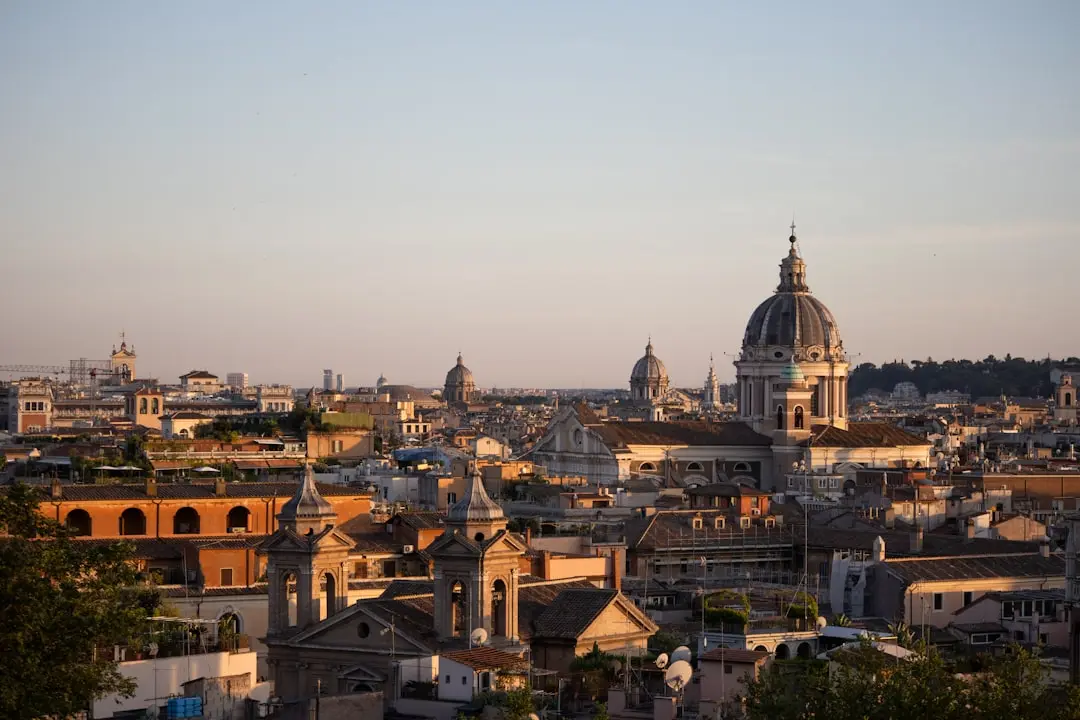
Rome Travel Costs in 2026: Backpacker, Nomad & Luxury Budgets
Italy · EuropeRome in August is sizzling and packed—perfect for history buffs who don't mind heat and crowds. Ferragosto (Aug 15) brings festivals, fireworks, and closures. Expect iconic sights, bustling piazzas, and gelato on every corner. Great for luxury seekers, but budget travelers need to plan carefully.
Is Rome Expensive? The Short Answer
Rome is mid-range. At $45 a day for backpacker travel it costs more than 56% of the 399 destinations we track.
- A short trip of 4 nights costs about $180, excluding flights.
- A week costs about $315; a month is about $1350.
- That works out at $45 a day for backpacker travel.
Living in Rome: Backpacker Guide for 2026
Rome is a dream for backpackers who love ancient history, chaotic charm, and the world's best street food. August is peak season—sweltering heat and crowds mean you'll need to start sightseeing at dawn and embrace the siesta. Ferragosto (August 15) turns the city into a festival of concerts, fireworks, and late-night parties, though many small shops close for the holiday. The backpacker scene is strong, with hostels around Termini and Trastevere buzzing with travelers from every continent.
Budget accommodation ranges from $25-35 per night for a hostel dorm in areas like Termini or the vibrant Monti. Look for places with free breakfast and communal kitchens to slash costs. Street food is your best friend: pizza al taglio (by the slice) for under $5, supplì (fried rice balls), and gelato for $3. For groceries, find a CRAI or Despar supermarket and stock up on fresh fruit, bread, and local cheese. Free attractions are everywhere—throw a coin in the Trevi Fountain, wander the Pantheon (free entry), stand in awe at the Colosseum's exterior, and explore the Roman Forum from adjacent viewpoints.
For the best budget vibe, stay in Monti (near the Colosseum) or Trastevere (lively at night). Monti is hip and central, while Trastevere offers a bohemian atmosphere with trattorias and late-night bars. Avoid restaurants within 100 meters of major landmarks—they're tourist traps. Instead, follow the noise of Italian families in side alleys. A daily budget of $45 is comfortable: $30 for a bed and $15 for food, with leftover for a museum ticket or a spritz in the evening.
Money-saving tips: buy a Roma Pass for public transport and discounts, descend to the Capuchin Crypt for a unique free-ish experience, and walk everywhere—Rome is a walker's city. August means air conditioning is precious, so pick hostels with A/C and check reviews. With planning and attitude, Rome rewards the budget traveler with memories of a lifetime.
How Much Does Rome Cost? Daily and Monthly Budget
| Travel style | Day | Week | Month |
|---|---|---|---|
🎒BackpackerHostels, street food, public transport | $45/day | $315/week | $1350/month |
💻Digital NomadPrivate room, cafes, coworking spaces | $120/day | $840/week | $3600/month |
✨LuxuryHotels, fine dining, private transfers | $350/day | $2450/week | $10500/month |
Internet Speed in Rome for Remote Work
Where to Stay in Rome: Best Neighborhoods
Trastevere
$The charming heart of Rome's bohemian life, packed with cobblestone alleys, ivy-covered buildings, and lively piazzas. It's popular with both tourists and locals for its restaurants, bars, and nightlife.
Monti
$A younger, hip area between the Colosseum and the Roman Forum, filled with vintage shops, trendy cafés, and artisan studios. Perfect for backpackers and nomads who want urban character.
Prati
$$An elegant, residential neighborhood in the Prati district, close to the Vatican. Known for its wide streets, upscale shops, and quiet ambiance, it's ideal for those seeking a refined stay.
Testaccio
$The real-food neighborhood of Rome, famous for its local market, authentic trattorias, and off-the-beaten-path feel. Perfect for foodies and travelers who want an authentic local experience.
Weather in Rome This Week
Pros and Cons of Living in Rome
Pros
- +Unmatched ancient history and monuments
- +Incredible food culture, from street food to Michelin stars
- +Walkable city center
- +Rich artistic heritage (Renaissance, Baroque)
- +Good public transportation
- +Vibrant nightlife in Trastevere and Testaccio
- +Numerous free attractions
- +Safe for tourists overall
- +Cosmopolitan and international
- +Unique weather – sunny most of the year
Cons
- -Peak-season crowds (especially August)
- -Extreme heat in summer
- -Expensive for budget travelers
- -Pickpocketing in tourist zones
- -Some areas rundown near Termini
- -Public transport can be unreliable
- -Language barrier outside tourist areas
- -Many businesses close in August (Ferragosto)
- -No dedicated digital nomad visa
- -Accommodation can be pricey for what you get
Rome FAQ: What Travelers Ask Most
Rome is generally safe, but petty crime like pickpocketing and bag-snatching is common in crowded areas such as the Colosseum, Termini station, and public transport. Use common sense, keep valuables secure, and avoid dimly lit areas at night, particularly around Termini. Overall, with precautions, you'll be fine.
The best times are spring (April-June) and fall (September-October) when weather is pleasant and crowds are thinner. August is very hot and crowded, with many locals on holiday, but if you visit during Ferragosto (Aug 15), you'll experience festive fireworks. Winter is mild and less busy, ideal for museum lovers.
Italy is in the Schengen Area. Citizens of the US, Canada, Australia, UK, Japan, and the EU can stay up to 90 days within 180 days without a visa. For longer stays, you need a national visa. Always check the Italian Ministry of Foreign Affairs website for the latest requirements.
Rome's average fixed-line internet speed is around 80 Mbps download and 30 Mbps upload, which is sufficient for most remote work. Many cafés and coworking spaces have fast Wi-Fi, but older buildings and Airbnbs may have slower connections. Test speed before committing to long-term stays.
Yes, you can work remotely as a tourist in Rome on a Schengen visa, but Italy doesn't have a specific digital nomad visa yet (as of 2026). The infrastructure is good, with coworking spaces and reliability, but the cost of living is higher than many nomad hotspots. You'll need to self-fund your stay and respect the 90-day limit.
The backpacker scene is active, with several hostels in Termini, Monti, and Trastevere that organize events and pub crawls. You'll meet fellow travelers easily, especially in communal kitchens and rooftop bars. It's not as wild as Southeast Asia, but there's a solid community for solo adventurers.
A backpacker can live on $45 per day with hostels, street food, and free sights. A nomad might spend $120 per day on an apartment, coworking, and dining out. Luxury travelers should budget $350 per day for a 5-star hotel, fine dining, and premium experiences. Prices rise during August, so book early.
Cities Near Rome
The closest destinations across the border, with distance and daily cost
Best Places to Visit in Europe
Top-scoring destinations in the same part of the world.
Quick Facts
- Global Rank
- #143 of 399
- Rank in Italy
- #2 of 5
- Region
- Europe
- Timezone
- Rome
- Weather
- 18.3°C · Sunny
- Backpacker
- $45/day
- Digital Nomad
- $120/day
- Luxury
- $350/day
- Monthly (backpacker)
- $1350
- Download
- 80 Mbps
- Upload
- 30 Mbps
Score by Travel Style
Do You Need a Visa for Rome?
Italy is part of the Schengen Area, so citizens of the US, Canada, Australia, Japan, and the EU can enter visa-free for up to 90 days in a 180-day period. For longer stays, you'll need a national visa (such as a work visa or elective residence). Always check the latest requirements with the Italian embassy.
Is Rome Safe?
Rome is generally safe for tourists, but petty theft is common in crowded areas like Termini, Colosseum, and the Metro. Beware of pickpockets, especially on buses and at attractions. At night, avoid the area around Termini and some parts of Pigneto. Use common sense, secure your belongings, and you'll have a trouble-free trip.