
Koh Samui Travel Costs in 2026: Backpacker, Nomad & Luxury Budgets
Thailand · AsiaKoh Samui in August brings low-season prices, tranquil beaches, and dramatic monsoonal sunsets. The famous Full Moon Party is just a short boat ride to Koh Phangan, while the island itself offers jungle waterfalls, luxury spa retreats, and a thriving expat scene. It's a budget-friendly gem for backpackers, a workable remote base for nomads, and a five-star paradise for splurgers.
Is Koh Samui Expensive? The Short Answer
Koh Samui is mid-range. At $30 a day for backpacker travel it undercuts 68% of the 399 destinations we track.
- A short trip of 4 nights costs about $120, excluding flights.
- A week costs about $210; a month is about $900.
- That works out at $30 a day for backpacker travel.
Living in Koh Samui: Backpacker Guide for 2026
Koh Samui catches a lot of flak for being pricier than the mainland, but backpackers who know their way around can still have an absurdly good time here. Right now it's the green season—August means fewer crowds, rain that arrives in short bursts, and seriously discounted bungalows. You'll dodge the massive resorts and have beaches like Tan Rua almost to yourself. This is the sweet spot for budget travelers: everything fun is free, and the most expensive thing you'll buy is sunscreen.
For the cheapest sleep, head to Chaweng's backpacker strip or Lamai's family-run guesthouses—Lub d Koh Samui in Chaweng rings in at about $12 a night for a fan dorm, while nothing shouts budget like the $8 hammock-shack on the backpacker row in Lamai. Street food is your friend: a pad thai from the market costs $1.50, fried rice with seafood is $2.50, and a fresh coconut shake is under a dollar. Hit the Fisherman's walking street in Bophut for cheap food stalls and free live music. Sunsets at Wat Plai Laem and the mummified monk at Wat Kunaram are free; the so-called 'secret Buddha garden' costs a token fee but is worth it.
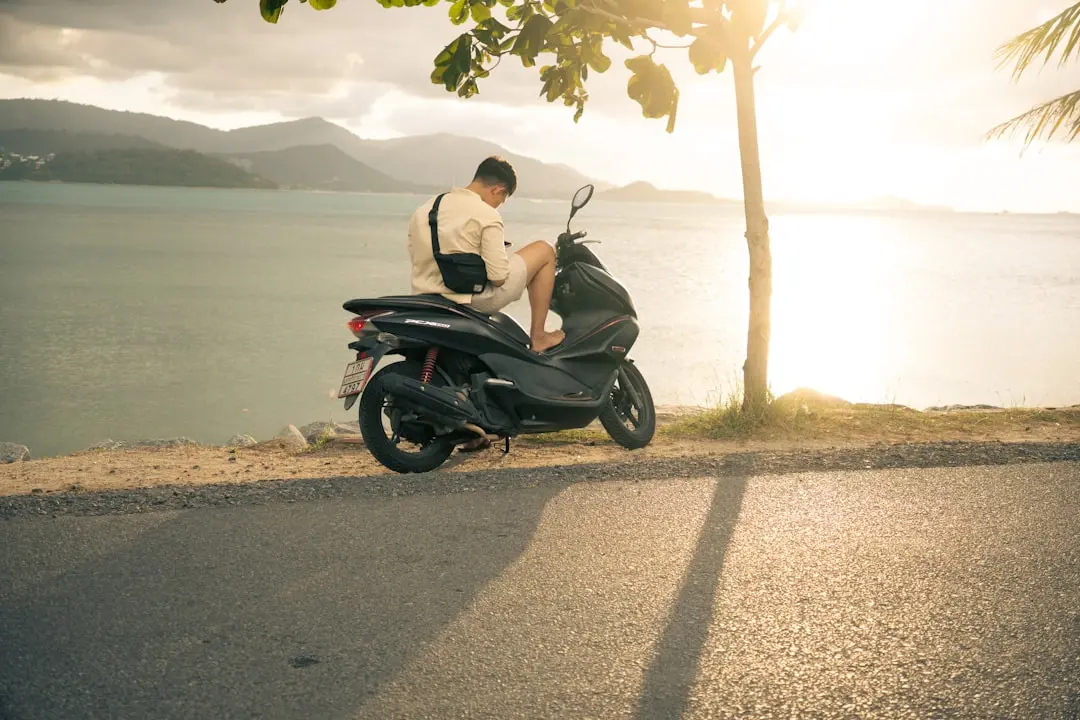
The best budget neighborhoods are Chaweng (party scene), Lamai (a bit cooler and cheaper), and Maenam (chilled expat vibe). Skip the beachfront bars around Chaweng Beach Club; instead, buy a bottle of SangSom at the 7-Eleven and mingle with locals on the sand. A one-day motorbike rental is $6 and can get you to waterfalls, mountain viewpoints, and all the way to the island's quieter south coast.
Total daily burn: $8-10 for a bed, $6-8 for food, $5-7 for transport, $5 for a beer or two. Realistically, you'll spend $25-30 a day, and you can keep it under $20 if you're strict. The snorkel gear rental and a day trip to Ang Thong Marine Park are the only splurges worth saving up for. Samui isn't the island to challenge you with rock-bottom prices — it's the one that lets you trade a little cash for indescribable sunsets and ocean breezes. That's a bargain in anyone's book.
How Much Does Koh Samui Cost? Daily and Monthly Budget
| Travel style | Day | Week | Month |
|---|---|---|---|
🎒BackpackerHostels, street food, public transport | $30/day | $210/week | $900/month |
💻Digital NomadPrivate room, cafes, coworking spaces | $60/day | $420/week | $1800/month |
✨LuxuryHotels, fine dining, private transfers | $300/day | $2100/week | $9000/month |
Internet Speed in Koh Samui for Remote Work
Where to Stay in Koh Samui: Best Neighborhoods
Chaweng
$$The island's main beach town, packed with everything from budget bungalows to luxury resorts. Expect a lively party scene, world-class dining, and the busiest nightlife. Best for first-timers seeking convenience, but it can be noisy and pricey.
Lamai
$A laid-back alternative to Chaweng, with a relaxed vibe, cheaper guesthouses, and a beautiful beach. The weekly market and quiet bars make it a favorite for longer stays. Good for budget travelers and couples.
Bophut (Fisherman's Village)
$$Centered around a charming old fisherman's village with boutique shops and upscale restaurants. It's now the island's luxury hub, but you'll find a few budget stays tucked away. Perfect for foodies and couples seeking charm.
Maenam
$The most authentic and chilled-out area, with low-cost accommodations and a strong expat community. Perfect for long-term nomads and families looking for peace and nature.
Weather in Koh Samui This Week
Pros and Cons of Living in Koh Samui
Pros
- +Beautiful tropical beaches with warm water
- +Low-season (August) discounts make luxury affordable
- +Vibrant street food and night markets
- +Easy scooter rental to explore waterfalls and viewpoints
- +Wide range of accommodation from hostels to private villas
- +Wellness and yoga retreats at every price level
- +Close proximity to Ang Thong Marine Park
- +Reliable internet and a growing digital nomad scene
- +Friendly locals and a safe island environment
- +Great snorkeling spots within short boat rides
Cons
- -Rainy season brings short but daily downpours
- -Resort development detracts from natural charm in some areas
- -Motorbike accidents are common due to slippery hills
- -Public transport is limited and taxis are expensive
- -Nightlife is quieter than Phuket or Bangkok
- -Diving is better on nearby Koh Tao, requiring boat trips
- -Island prices are 20-30% higher than mainland Thailand
- -Healthcare is adequate but serious cases require air transfer
- -Boat trips to outer islands can be choppy in August
- -Some expat bars have a slightly seedy atmosphere
Koh Samui FAQ: What Travelers Ask Most
Yes, Koh Samui is very safe for tourists. Violent crime is rare, but you should be cautious when riding a motorbike, especially during the rainy season when roads can be slippery. Petty theft can happen in busy tourist areas, so keep valuables guarded.
The best time is from December to February when it's sunny and dry. However, August is in the low season (green season) with frequent but short rains and lower prices. It's still pleasurable, and you'll enjoy fewer crowds. For beach perfection, aim for early spring.
Most Western nationalities get a 60-day visa exemption on arrival. If you want to stay longer, Thailand offers a Destination Thailand Visa (DTV) for remote workers, valid for up to 180 days. Always check with the Thai embassy for your specific nationality.
Internet in Koh Samui is generally reliable, with average download speeds around 60 Mbps in tourist areas. Better-equipped coworking spaces like Koh Samui Hub offer faster, dedicated fiber connections. Some luxury resorts also provide gigabit Wi-Fi, but cafes may be slower.
Yes, you can work remotely in Koh Samui. There are a few coworking spaces and many cafés with decent Wi-Fi. The growing but small nomad community is friendly, and the quiet low season is perfect for productivity. Just be prepared for occasional rain and humidity.
Koh Samui's backpacker scene is less legendary than the mainland's, but there are still many hostels and budget guesthouses in Chaweng and Lamai. It's easier to meet travelers at social hostels like Lub d, and the full moon party on nearby Koh Phangan is a bonus. Prices are a bit higher, but the vibe is still bohemian.
For backpackers, plan on $25-30 per day with hostels and street food. Digital nomads typically spend $60-65 per day for a rented apartment, coworking, and food. Luxury travelers can easily spend $300+ per day for a top-tier resort and fine dining, but low-season deals can bring that down.
Cities Near Koh Samui
The closest destinations across the border, with distance and daily cost
Best Places to Visit in Asia
Top-scoring destinations in the same part of the world.
Quick Facts
- Global Rank
- #106 of 399
- Rank in Thailand
- #6 of 6
- Region
- Asia
- Timezone
- Bangkok
- Weather
- 28.8°C · Overcast
- Backpacker
- $30/day
- Digital Nomad
- $60/day
- Luxury
- $300/day
- Monthly (backpacker)
- $900
- Download
- 60 Mbps
- Upload
- 20 Mbps
Score by Travel Style
Do You Need a Visa for Koh Samui?
Many nationalities enjoy a 60-day visa exemption on arrival for tourism. For longer stays, Thailand's Destination Thailand Visa (DTV) allows up to 180 days for remote workers. Always check current entry requirements before travel, as rules can change.
Is Koh Samui Safe?
Koh Samui is generally very safe for travelers. The main risks are motorbike accidents and occasional petty theft. Avoid riding without a helmet, watch for wet roads during the rainy season, and keep valuables in your accommodation's safe.