
Venice Travel Costs in 2026: Backpacker, Nomad & Luxury Budgets
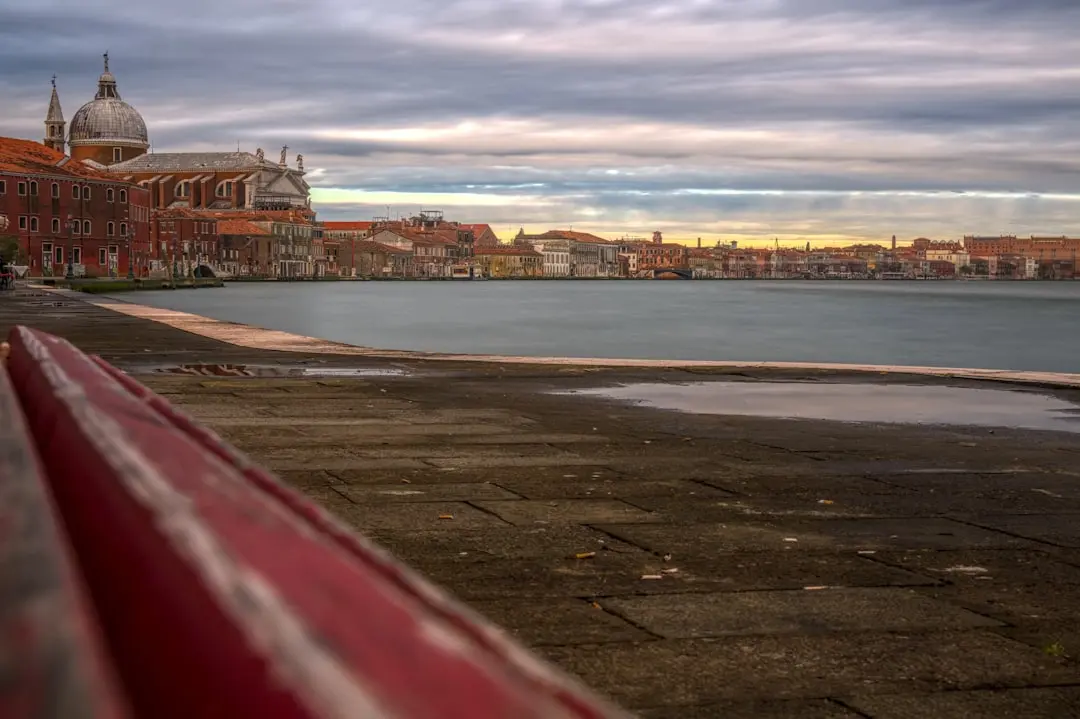
Italy · EuropeVenice in August dazzles with lagoon beauty, but the Venice International Film Festival (Aug 26–Sep 5) brings star-studded glamour. Budget travelers face steep prices; luxury lovers are spoiled for choice.
Is Venice Expensive? The Short Answer
Yes — Venice is expensive. At $70 a day for backpacker travel it costs more than 87% of the 399 destinations we track.
- A short trip of 4 nights costs about $280, excluding flights.
- A week costs about $490; a month is about $2100.
- That works out at $70 a day for backpacker travel.
Living in Venice: Backpacker Guide for 2026
Venice can feel impossibly romantic and impossibly expensive, but a savvy backpacker can still conjure magic from the lagoon if they plan smart. August is peak season, so book hostels early, expect wall-to-wall crowds, and treat every bridge-hopping stroll as a free museum. The vibe is electric—especially as the Venice International Film Festival gears up in late August—but your wallet will feel the burn unless you dodge tourist traps.
For sleeps, look to the mainland in Mestre or Marghera, where dorm beds run €25-35 and a 15-minute train drops you at Santa Lucia station. If you're set on staying on the island, hostel dorms in Cannaregio (like Generator Venice) go for €50-60 in August—still cheaper than hotels. Eat like a local: grab a pizza al taglio, a tramezzino, or cicchetti from bacari in Dorsoduro or Cannaregio for €2-4, and sip a €1.50 espresso standing at the counter. Avoid restaurants with menus in five languages; those prices are for tourists.
Your best budget neighborhoods are Cannaregio, Castello, and Dorsoduro. Cannaregio offers a real Venetian vibe, with the Jewish Ghetto and quiet canals, while Dorsoduro houses the university vibe and galleries like the Peggy Guggenheim Collection (free on the first Sunday of the month—but August crowds may queue). Castello is full of locals, with the Biennale grounds offering cheap aperitivo and open-air art. The real freebies: walk the Rialto Market early, watch gondolas being built in Squero di San Trovaso, and take the traghetto (€2) across the Grand Canal like a local.
A realistic daily budget: hostel €50, food €15, transport €8 (Actv tourist card) or €2 per vaporetto ride, plus €5 for unexpected gelato—total around €78 (about $85). To save, cook at hostel kitchens in Mestre, buy groceries from local Conad, and skip the gondola (€80 for 30 minutes) unless you split it with six others. With a little cunning, Venice will reward you with the most breathtaking free architecture in Europe—just don't expect a bargain.
How Much Does Venice Cost? Daily and Monthly Budget
| Travel style | Day | Week | Month |
|---|---|---|---|
🎒BackpackerHostels, street food, public transport | $70/day | $490/week | $2100/month |
💻Digital NomadPrivate room, cafes, coworking spaces | $110/day | $770/week | $3300/month |
✨LuxuryHotels, fine dining, private transfers | $380/day | $2660/week | $11400/month |
Internet Speed in Venice for Remote Work
Where to Stay in Venice: Best Neighborhoods
Cannaregio
$The gutsy, local neighborhood of Cannaregio stretches from the train station to the quiet Jewish Ghetto. More affordable than San Marco, it's packed with bacari, artisan crafts, and some of the best budget hostels. Perfect for backpackers and food lovers who want authenticity without constant gondola selfies.
San Polo
$San Polo is Venice's foodie heart, anchored by the Rialto Market and a warren of alleys where you can snack and shop like a local. It's central, lively, and ideal for those who want to be right in the action but not overwhelmed by luxury. A mix of mid-range hotels and family-run trattorias.
Dorsoduro
$Across the Accademia bridge, Dorsoduro is the artsy, university-focused district where Venice's modern side meets its historic soul. With the Peggy Guggenheim Collection, cutting-edge galleries, and a youthful buzz, it's great for nomads and culture lovers who prefer a slightly bohemian vibe. Good mix of budget and boutique lodgings.
San Marco
$$The opulent, postcard-perfect heart of Venice: St. Mark's Basilica, the Doge's Palace, and some of the world's most famous luxury hotels. Exquisite and exclusive, this is where you come for grand palazzos and five-star service, while accepting constant flocks of visitors. Best for luxury stays and quick access to landmarks.
Giudecca
$$Giudecca is Venice's quiet, sophisticated island just across the canal from St. Mark's. Known for the Belmond Cipriani and superyachts, it's where the wealthy escape the crowd. There's also a humble part with artists and workshops, so it's not flashy everywhere—but the glamour dominates. Perfect for honeymooners and those wanting sleep with a lagoon view.
Weather in Venice This Week
Pros and Cons of Living in Venice
Pros
- +Unforgettable, once-in-a-lifetime beauty
- +Very safe, low violent crime
- +Canal network offers unique transport
- +World-class art and architecture
- +Venice International Film Festival glamour
- +Excellent fine dining and local cicchetti
- +Easy to explore on foot (car-free center)
- +Rich history and cultural landmarks
- +Romantic atmosphere
- +Good fiber internet for remote work
Cons
- -Extremely expensive, especially in August
- -Overwhelming crowds in peak season
- -Limited authentic budget accommodation on the island
- -Frequent flood risk (acqua alta) in autumn/winter
- -Tourist traps with inflated prices
- -Very few dedicated coworking spaces
- -Small digital nomad community
- -No digital nomad visa available
- -Hot and humid in August
- -Boat transport costs add up
Venice FAQ: What Travelers Ask Most
Yes, Venice is very safe for tourists. The main risk is petty theft and pickpocketing, especially in crowded areas like St. Mark's Square or on vaporettos. Avoid walking alone late at night in quiet alleys and keep your valuables secure.
The best times are spring (April-May) and fall (September-October) when weather is mild and crowds are thinner. August is peak season with intense heat and huge crowds, though the Venice International Film Festival at the end of August adds glamour. Winter can be foggy and cold, but there are far fewer tourists.
Italy is part of the Schengen Area, so no visa is needed for stays up to 90 days for passport holders from the US, Canada, UK, Australia, New Zealand, and many other countries. Your passport must be valid for at least 3 months beyond your departure date. Longer stays or work require a national visa.
Venice generally has good internet, with fibre connections offering 80-100 Mbps download in many areas. However, some historic buildings may have weaker signals due to thick walls. Coworking spaces and cafés in Dorsoduro and San Marco usually provide reliable Wi-Fi.
Yes, you can work remotely in Venice, but it's challenging due to the high cost and limited coworking infrastructure. There is a small digital nomad community, and with careful planning you can find fast internet and quiet cafés. The lack of a dedicated nomad visa means you'll likely rely on a standard Schengen tourist visa for up to 90 days.
Venice is not a classic backpacker destination due to high prices, but there's a small hostel scene, particularly in Cannaregio and on the mainland in Mestre. You can meet other travelers at hostels and budget bars, but it's less social than cities like Budapest or Bangkok. Expect to spend more and plan carefully.
Backpackers should budget around $70-85 per day (hostel, street food, some walks). Digital nomads might spend $110-140 per day (apartment share, coworking, meals). Luxury travelers can easily spend $380+ per day on five-star hotels, fine dining, and private boat tours. Costs are significantly higher in August.
Cities Near Venice
The closest destinations across the border, with distance and daily cost
Best Places to Visit in Europe
Top-scoring destinations in the same part of the world.
Quick Facts
- Global Rank
- #293 of 399
- Rank in Italy
- #5 of 5
- Region
- Europe
- Timezone
- Rome
- Weather
- 13.9°C · Sunny
- Backpacker
- $70/day
- Digital Nomad
- $110/day
- Luxury
- $380/day
- Monthly (backpacker)
- $2100
- Download
- 80 Mbps
- Upload
- 40 Mbps
Score by Travel Style
Do You Need a Visa for Venice?
Venice is in Italy, part of the Schengen Area. For stays up to 90 days, passport holders from the US, Canada, UK, Australia, New Zealand, and many other countries do not need a visa. Non-EU residents must ensure their passports are valid for at least 3 months beyond departure. Longer stays or work require a national visa.
Is Venice Safe?
Venice is very safe for tourists. Petty theft and pickpocketing are the main concerns, especially on crowded vaporettos and around St. Mark's Square. Avoid walking alone late in deserted alleys and keep valuables secure.