Zurich Travel Costs in 2026: Backpacker, Nomad & Luxury Budgets
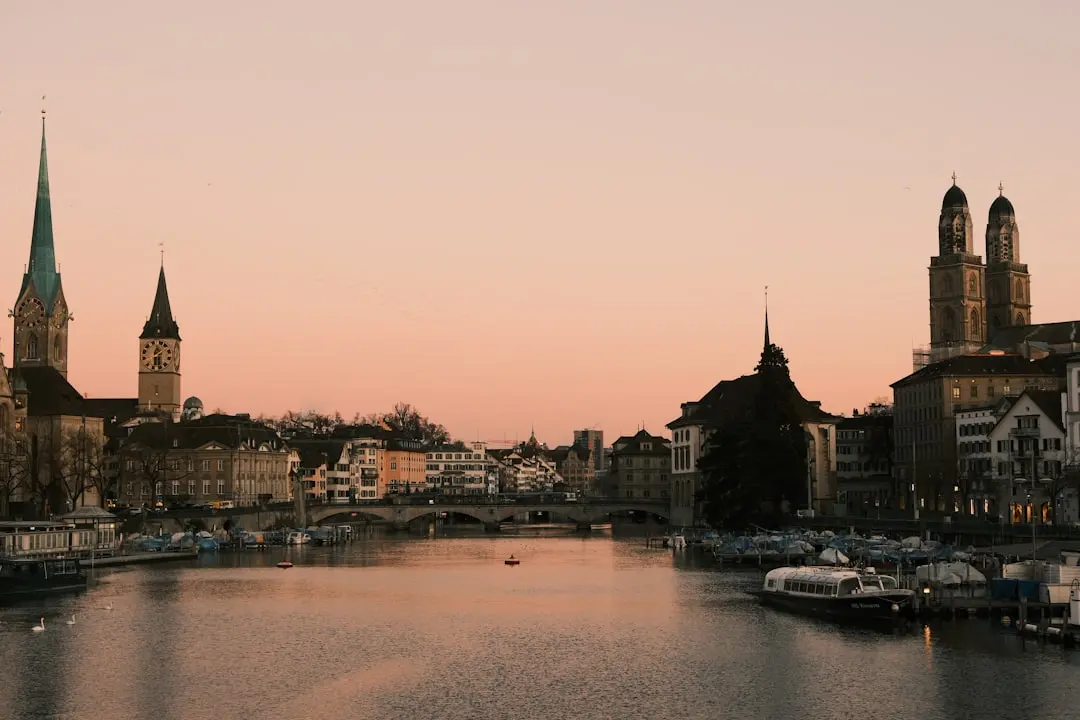
Switzerland · EuropeZurich is Europe's ultra-expensive crown jewel: a lakeside city of immaculate streets, Alpine views, and premium everything. August brings a calm post-Street Parade buzz, with September's Knabenschiessen festival on the horizon. Backpackers will feel the pinch, but nomads get flawless internet and luxury travelers find world-class opulence.
Is Zurich Expensive? The Short Answer
Yes — Zurich is expensive. At $85 a day for backpacker travel it costs more than 96% of the 399 destinations we track.
- A short trip of 4 nights costs about $340, excluding flights.
- A week costs about $595; a month is about $2550.
- That works out at $85 a day for backpacker travel.
Living in Zurich: Backpacker Guide for 2026
Zurich is not a city that whispers 'budget traveler' — it shouts 'bank account danger' — but that's exactly why it makes such a wild, adrenaline-fueled challenge. In August's golden post-Street Parade lull and with the Knabenschiessen festival approaching in September, the streets mix electric nightlife with crisp lake breezes. Yes, you'll wince at Swiss francs, yet with some guerrilla tactics you can still smell the Rösti, hear the Grossmünster bells, and feel the Alpine sun without bankrupting yourself.
The backpacker infrastructure is basic but honest: Zurich Youth Hostel by the lake gives the best dorm-for-value, while Budget Hostel in Kreis 4 offers cheaper, grittier beds near Langstrasse. Skip sit-down restaurants; grab an authentic döner at a Turkish shop for under 12 CHF, raid the Migros/Coop self-service counters for salad boxes and sandwiches, and load up on free water from the 1,200 public fountains. A free walking tour covers the old town, and the Swiss National Museum is free every Sunday. Take the Polybahn funicular with a valid Swiss Travel Pass if you have one — otherwise it's just 2 CHF.
For accommodation, Kreis 4 is the cheapest pocket — edgy, multicultural, and far from cookie-cutter. Niederdorf is touristy but central, and Aussersihl has more local cafes. A dorm bed runs 45-55 CHF, groceries 10-15 CHF, a 24-hour tram pass 8 CHF, and most paid sights are 10 CHF or more. Realistically budget 75-90 USD per day; if you stay outside the city in Altstetten and cook, you can shave the total to 60-70 USD.
Yes, Zurich is pricey, but think of it as a dare: can you conquer one of the world's most expensive cities on a shoestring? With hostel friendships, lakeside swims, and cheap supermarket feasts, you'll leave with stories — and a newfound respect for public fountains.
How Much Does Zurich Cost? Daily and Monthly Budget
| Travel style | Day | Week | Month |
|---|---|---|---|
🎒BackpackerHostels, street food, public transport | $85/day | $595/week | $2550/month |
💻Digital NomadPrivate room, cafes, coworking spaces | $140/day | $980/week | $4200/month |
✨LuxuryHotels, fine dining, private transfers | $400/day | $2800/week | $12000/month |
Internet Speed in Zurich for Remote Work
Where to Stay in Zurich: Best Neighborhoods
Kreis 4 (Langstrasse)
$Zurich's most multicultural quarter, known for its gritty energy, global restaurants, and buzzing nightlife. Budget travelers find the cheapest dorms and döner shops here; nomads can rent affordable rooms, but late nights get loud.
Zürich West (Kreis 5)
$A former industrial zone transformed into a creative hub of brick warehouses, startups, and avant-garde architecture. Great for nomads who love trendy cafés and coworking spaces; dining is mid-range to expensive.
Niederdorf
$$The touristy heart of the old town with cobblestones, chocolateries, and historic churches. Perfect for first-time visitors, but prices are high and crowds are heavy in summer; still, its central location is unbeatable.
Seefeld
$$An upscale lakeside district near Lake Zurich with elegant apartment buildings, designer boutiques, and tree-lined promenades. The choice for luxury travelers and those who want calm, leafy streets straight out of a perfume ad.
Weather in Zurich This Week
Pros and Cons of Living in Zurich
Pros
- +Excellent public transport network
- +Very safe with low violent crime
- +Stunning lake and Alpine views
- +High-quality internet infrastructure
- +Clean, well-maintained streets
- +World-class food and dining scene
- +Central location for European travel
- +Many green spaces and swimming spots
- +Culturally rich museums and events
- +English widely spoken in the city
Cons
- -Extremely high cost of living
- -Limited budget accommodation options
- -Shops and supermarkets closed on Sundays
- -Nightlife is not legendary (mostly pricey bars)
- -Swiss German can be intimidating initially
- -Rainy and overcast weather common
- -City can feel reserved and formal
- -Alcohol and tobacco very expensive
- -Not a hotbed of backpacker culture
- -Public transport tickets are pricey without passes
Zurich FAQ: What Travelers Ask Most
Yes, Zurich is extremely safe for tourists, with one of the lowest violent crime rates in Europe. Use normal precautions against pickpocketing near Bahnhofstrasse and in crowded areas, and avoid isolated spots around Langstrasse late at night.
Summer (June–August) is warm and lively with lake swims and festivals like Street Parade; but an excellent, less pricey window is May and September. Winter brings the magical Christmas markets, while July is sunny though pricier due to peak season.
Switzerland is in the Schengen Area, so U.S., Canadian, UK, EU, and many other nationals can visit visa-free for up to 90 days in a 180-day period. Other nationalities should check with the Swiss embassy for a Schengen visa.
Internet in Zurich is superb — fiber connections often deliver 200+ Mbps download and 80+ Mbps upload. Public Wi-Fi is widely available in train stations, libraries, and many cafés, making remote work smooth.
Yes, digital nomads can work comfortably thanks to top-notch Wi-Fi, abundant coworking spaces, and good long-term infrastructure. Just remember non-EU/EFTA citizens are limited to 90 Schengen days unless they obtain a special permit, and the cost of living is very high.
The backpacker scene in Zurich is small compared to Asian or Balkan cities — there are a few youth hostels but little budget culture. You'll meet plenty of travellers at cafe hangouts and the lake, but expect to pay European prices and connect through organized hostels.
A backpacker should budget around 75–90 USD a day for a hostel, groceries, and local transport. A digital nomad will spend about 130–150 USD a day including a long-stay studio and coworking, while luxury travelers will need $400+ daily for a five-star hotel, fine dining, and experiences.
Cities Near Zurich
The closest destinations across the border, with distance and daily cost
Best Places to Visit in Europe
Top-scoring destinations in the same part of the world.
Quick Facts
- Global Rank
- #382 of 399
- Rank in Switzerland
- #1 of 2
- Region
- Europe
- Timezone
- Zurich
- Weather
- 10.7°C · Mist
- Backpacker
- $85/day
- Digital Nomad
- $140/day
- Luxury
- $400/day
- Monthly (backpacker)
- $2550
- Download
- 200 Mbps
- Upload
- 80 Mbps
Score by Travel Style
Do You Need a Visa for Zurich?
Switzerland is in the Schengen Area. U.S., Canadian, UK, and EU citizens can stay 90 days visa-free within a 180-day period; many other nationalities need a Schengen visa. Ensure your passport has at least 3 months' validity.
Is Zurich Safe?
Zurich is one of the safest cities in Europe; violent crime is rare, police are visible, and solo travelers feel extremely secure. Avoid only the darkest corners of Langstrasse at night and watch for pickpockets in tourist crowds.