Munich Travel Costs in 2026: Backpacker, Nomad & Luxury Budgets
Germany · EuropeMunich blends Bavarian tradition with modern sophistication. While it's pricier than many backpacker haunts, its safety, beer gardens, and proximity to the Alps make it a memorable stop. The upcoming Oktoberfest (starting in September) transforms the city into a global party — book accommodation early.
Is Munich Expensive? The Short Answer
Yes — Munich is expensive. At $60 a day for backpacker travel it costs more than 77% of the 399 destinations we track.
- A short trip of 4 nights costs about $240, excluding flights.
- A week costs about $420; a month is about $1800.
- That works out at $60 a day for backpacker travel.
Living in Munich: Backpacker Guide for 2026
Munich isn't your budget-friendly backpacker paradise — it's a premium stop that demands smart planning. The city is clean, safe, and incredibly well-connected, but your wallet will feel the sting. That said, if you're craving world-class museums, sprawling beer gardens, and effortless day trips to Alps, it's worth splurging for a few days. August means sunny beer garden weather, and the looming Oktoberfest already blankets the city in excited anticipation, though prices for dorms are creeping up.
The Wombats City Hostel and the Euro Youth Hotel are social hubs where you can swap stories over breakfast. Skip pricey restaurants and head to Viktualienmarkt for cheap cheese, bread, and fruit to assemble a picnic. The Hofbräuhaus is a tourist trap, but it's a quintessential experience — just order the radler (half beer, half lemonade) to save. For free activities, the Englischer Garten offers the Chinesischer Turm beer garden, where you can watch the surfers on the Eisbach wave. Museums like the Deutsches Museum have discounted entry later in the day, and many galleries are free on Sundays. Park yourself in a biergarten where you can bring your own food — a cold Maß plus your own currywurst is a budget feast.
For accommodations, stick to the area around Hauptbahnhof for cheap hostels, or try the Haidhausen neighborhood east of the river for cheaper beds near the historic heart. Sendling, slightly south of the city center, offers a more local, less touristy base. Avoid staying within the Altstadt unless you found a last-minute deal; prices there are inflated. A metro day ticket for just 12.90 euros covers your transport, but you can walk between most attractions on the pedestrian-friendly city center.
Realistically, count on $60 a day: $35 for a hostel dorm, $18 for street food or supermarket meals, and $7 for public transport. The secret is to cook in hostel kitchens and pack lunch for day trips. A picnic in the Englischer Garten costs a fraction of a sit-down dinner, and the city's water fountains are safe to drink. Bikes can be rented for about $25 a day if you want to explore further. With clever budgeting, you'll leave Munich with a full belly and an empty wallet — but unforgettable memories of Bavarian charm.
How Much Does Munich Cost? Daily and Monthly Budget
| Travel style | Day | Week | Month |
|---|---|---|---|
🎒BackpackerHostels, street food, public transport | $60/day | $420/week | $1800/month |
💻Digital NomadPrivate room, cafes, coworking spaces | $100/day | $700/week | $3000/month |
✨LuxuryHotels, fine dining, private transfers | $400/day | $2800/week | $12000/month |
Internet Speed in Munich for Remote Work
Where to Stay in Munich: Best Neighborhoods
Altstadt (Old Town)
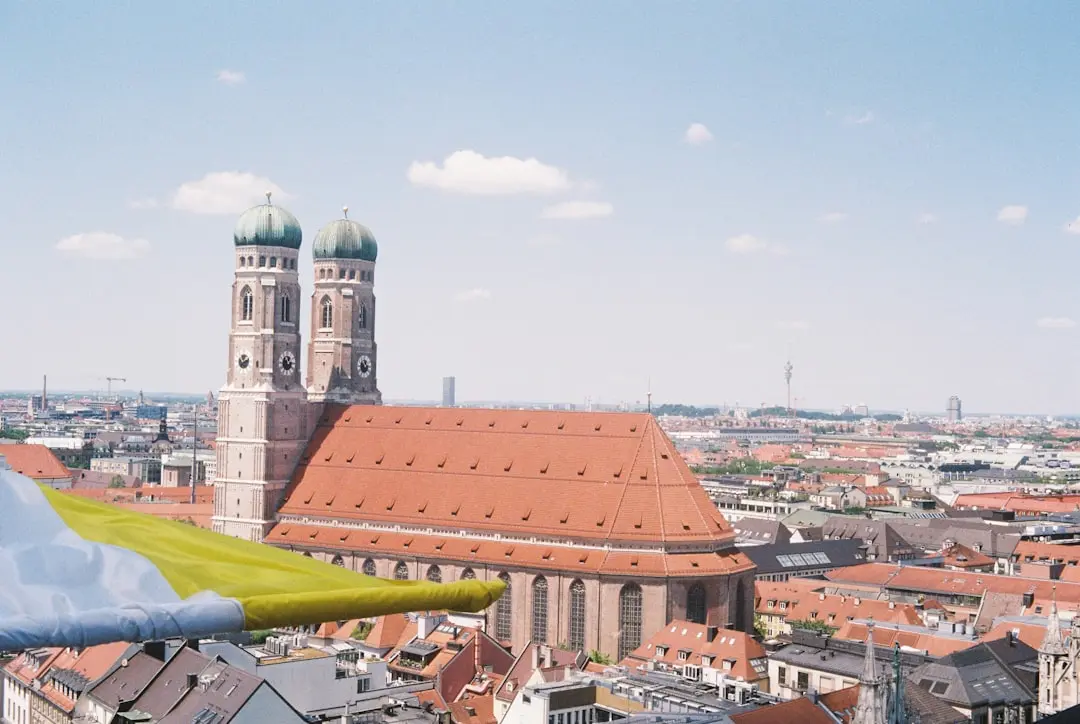
$$The historic heart around Marienplatz, with landmarks like the Frauenkirche and Viktualienmarkt. Upscale but touristy, perfect for first-timers and luxury travelers. Accommodation is pricey, but you're at the center of it all.
Schwabing
$$The elegant bohemian district north of the center, known for leafy streets, university vibes, and boutiques. It's quieter and pricier than the center but offers a more local feel. Great for nomads and families.
Haidhausen
$A charming, picturesque area east of the river Isar. Once working-class, now trendy with old-world cafes and the popular Wiener Platz. Offers more affordable rooms and a laid-back atmosphere.
Sendling
$A residential south-west neighborhood with a gritty edge. Cheaper than central districts, it's a favorite among backpackers and budget travelers seeking dorm beds and simple guesthouses. Great for street life.
Weather in Munich This Week
Pros and Cons of Living in Munich
Pros
- +Excellent public transport
- +Very safe, even at night
- +Rich culture and history
- +Famous Oktoberfest (September)
- +Beautiful surroundings, Alps nearby
- +High pedestrian-friendly streets
- +Top-tier healthcare
- +English widely spoken
- +Superb food, from street wurst to Michelin stars
- +Clean and well-maintained city
Cons
- -Expensive for all budgets
- -Accommodation squeezes during Oktoberfest
- -Nightlife less wild than Berlin
- -Limited nomad community compared to Lisbon
- -Visa restrictions for remote work
- -Weather can be unpredictable
- -Large tourist crowds in center
- -Residents can be formal, not the friendliest
- -Heavy drinking culture might not suit everyone
- -High cost of living for long stays
Munich FAQ: What Travelers Ask Most
Munich is extremely safe, with one of the lowest violent crime rates in Europe. The main tourist areas, even at night, are well lit and patrolled. Common sense precautions like avoiding the Hauptbahnhof at night and securing your belongings in public places will keep you safe.
Late spring (May-June) and early autumn (September-October) are ideal for pleasant temperatures and outdoor beer gardens. August is warm and lively, perfect for swimming in the Isar, but it's also crowded. The highlight is Oktoberfest, which runs from mid-September to early October; it's chaotic and expensive, but a unique experience.
Tourists from many non-EU countries, including the US, Canada, and Australia, don't need a visa for stays up to 90 days in a 180-day period. Citizens of other countries may need a Schengen visa. For work or long-term stays, you'll need a residence permit.
Munich has excellent internet infrastructure, with average download speeds around 200 Mbps. Many public spaces offer free Wi-Fi, and coworking spaces provide even faster connections. Reliability is top-notch, making it a great place to work remotely.
Yes, but with caveats. As a tourist, you can legally be in Germany for 90 days, and many remote workers do so, but conducting paid work without a work permit is technically illegal. For longer stays, apply for a German freelance visa, which requires proof of income and a business plan. The city itself is very nomad-friendly with plenty of cafés and coworking.
Munich isn't a classic backpacker hub, but it has a decent hostel community with several social hostels near the Hauptbahnhof. You'll meet fellow travelers in beer gardens, free walking tours, and hostels. The atmosphere is chill and safe, though it lacks the full-moon party vibe of Southeast Asia. Budget travelers are often outnumbered by mainstream tourists.
For backpackers, expect to spend about $60 per day for a dorm bed, groceries, and local transport. Digital nomads should budget around $100 per day for an apartment, coworking, meals, and metro. Luxury travelers should plan on $400+ per day for a five-star hotel, fine dining, and private tours. Prices spike significantly during Oktoberfest.
Cities Near Munich
The closest destinations across the border, with distance and daily cost
Best Places to Visit in Europe
Top-scoring destinations in the same part of the world.
Quick Facts
- Global Rank
- #286 of 399
- Rank in Germany
- #3 of 4
- Region
- Europe
- Timezone
- Berlin
- Weather
- 14.1°C · Partly Cloudy
- Backpacker
- $60/day
- Digital Nomad
- $100/day
- Luxury
- $400/day
- Monthly (backpacker)
- $1800
- Download
- 200 Mbps
- Upload
- 100 Mbps
Score by Travel Style
Do You Need a Visa for Munich?
Tourists from the US, UK, Canada, Australia, and many other countries can enter Germany visa-free for up to 90 days within a 180-day period for tourism (and short-term remote work, though it's technically illegal to work for a foreign employer without a permit). A Schengen visa is required for many nationalities.
Is Munich Safe?
Munich is extremely safe for tourists. Violent crime is rare, and the city is well-policed, especially around the main train station and tourist areas. The Hauptbahnhof can attract pickpockets at night, but standard precautions keep you safe.