
Salzburg Travel Costs in 2026: Backpacker, Nomad & Luxury Budgets
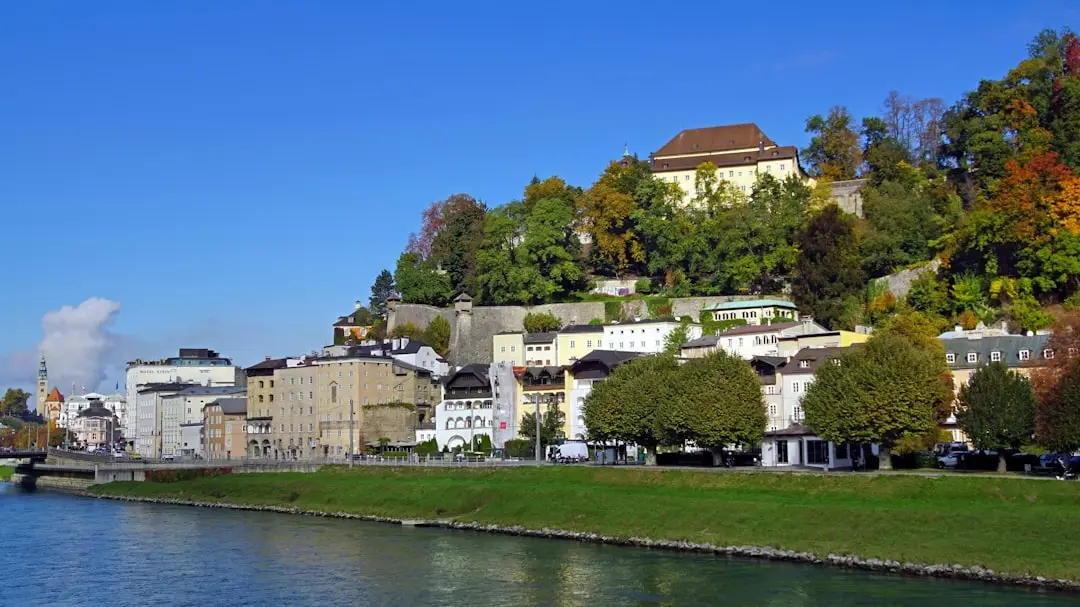
Austria · EuropeSalzburg in August is a stage for the world-famous Salzburg Festival, with opera, drama, and concerts spilling onto the streets. The baroque Altstadt, fortress, and alpine backdrop create a romantic, musical atmosphere. Costs run high, but free walks through the Mirabell Gardens and along the Salzach River give everyone a piece of the magic.
Is Salzburg Expensive? The Short Answer
Salzburg is mid-range. At $45 a day for backpacker travel it costs more than 56% of the 399 destinations we track.
- A short trip of 4 nights costs about $180, excluding flights.
- A week costs about $315; a month is about $1350.
- That works out at $45 a day for backpacker travel.
Living in Salzburg: Backpacker Guide for 2026
Salzburg in mid-August is a whirlwind of music, mountain air, and golden baroque architecture — and yes, it will stretch your budget more than most European cities. As the Salzburg Festival reaches its climax, the city pulses with culture, yet the true magic lies in simply wandering the cobblestone alleys of the Altstadt and hiking up to the Hohensalzburg Fortress for panoramic views. This is a place that rewards plucky budget travelers who use a little creativity.
For a bed, Yoho International Youth Hostel (a short walk from the main station) is the classic backpacker hub, with dorms around €25 and a lively terrace for swapping tales. Junger Fuchs is another solid choice, comfy and central, near the river and the old town. To eat, skip sit-down restaurants and adopt the local fast-food philosophy: a hearty currywurst from a Würstelstand, a flaky pretzel from a bakery, and a scoop of gelato from Eisgrotte will keep you fueled for under €10. Free delights abound: the Mirabell Gardens with their flowered parterres, the serene Nonnberg Abbey courtyard, and the Monchsberg cliff path that costs nothing and offers unbeatable castle views.
The cheapest base is the Neustadt, especially around Linzergasse or Elisabeth-Vorstadt, where hostels and simple guesthouses run 30–40% below Old Town rates yet put everything within a 15-minute stroll. A realistic daily backpacker budget breaks down as: €25 dorm, €15 meals, €5 local transport (or walk!), and €5 for a museum or a beer in a beer garden. Add a Salzburg Card if you plan to pack in attractions — it gives free entry and can save you cash if you check one place per day. The festival also sells discounted last-minute tickets for under-30s and standing-room spaces for operas if you’re hungry for world-class sound on a shoestring.
Don’t be intimidated by Salzburg’s upscale reputation; with a bit of street-smart planning you can experience Mozart’s hometown without blowing your savings. Lace up comfortable shoes, embrace the Haussmann-era facades, and let the sounds of violins and church bells be your soundtrack. This is a city that will charm you, even when your wallet needs a breather.
How Much Does Salzburg Cost? Daily and Monthly Budget
| Travel style | Day | Week | Month |
|---|---|---|---|
🎒BackpackerHostels, street food, public transport | $45/day | $315/week | $1350/month |
💻Digital NomadPrivate room, cafes, coworking spaces | $100/day | $700/week | $3000/month |
✨LuxuryHotels, fine dining, private transfers | $300/day | $2100/week | $9000/month |
Internet Speed in Salzburg for Remote Work
Where to Stay in Salzburg: Best Neighborhoods
Altstadt (Old Town)
$$The heart of Salzburg, a UNESCO World Heritage site with Mozart’s birthplace, the cathedral, and festival halls. Beautiful but touristy and expensive. Perfect for short stays, luxury hotels, and those who want everything on foot.
Neustadt (New Town)
$Just across the Salzach River, the Neustadt offers a mix of quiet neighborhoods, great bakeries, and a more local atmosphere. It’s more affordable than the Old Town and still only a short walk to the main sights. Best for budget travelers and long-term stays.
Andräviertel
$A trendy residential district around the St. Andrä church, filled with small shops, stylish eateries, and a lively market. It has a community feel and is popular with young professionals and creative nomads. Good mid-range rents and excellent tram connections.
Nonntal
$A quiet, leafy university district south of the Old Town, close to the Untersberg views and the Kapuzinerberg. Rents are slightly lower, and it attracts students and academics. Excellent for a calm long-term base with easy access to the city center by foot or bus.
Weather in Salzburg This Week
Pros and Cons of Living in Salzburg
Pros
- +Picturesque baroque Old Town, UNESCO-listed
- +Rich musical history — Mozart and the Salzburg Festival
- +Incredible alpine scenery in every direction
- +One of the safest cities in Europe
- +Excellent public transportation with a centuries-old atmosphere
- +Great day-trip base to the Salzkammergut lakes
- +High-speed internet and reliable infrastructure
- +Festival discount tickets for under-30s
- +Clean, family-friendly environment
- +Walkable, compact city center
Cons
- -High cost of living compared to other Austrian cities
- -Overwhelming summer crowds during festival season
- -Limited budget hostel scene
- -Small digital nomad community
- -Airbnb regulations and rising rents
- -Old Town accommodation is extremely expensive
- -Winters can be cold and grey
- -No dedicated digital nomad visa
- -Nightlife is modest for a city this size
- -Parking in the center is a nightmare
Salzburg FAQ: What Travelers Ask Most
Yes, Salzburg is extremely safe for tourists, with very low crime rates. Violent crime is rare, but as in any tourist-heavy city, be mindful of pickpocketing in crowded spots like Getreidegasse and around festival venues. The Old Town is well-policeed and well-lit even at night.
Summer (July–August) is peak season, coinciding with the Salzburg Festival — beautiful weather but packed streets and premium prices. Spring (April–June) and early autumn (September) offer a lovely balance with fewer crowds and moderate temperatures. Winter is festive with Christmas markets in December, but cold and often grey.
Austria is in the Schengen Area. Citizens of the US, Canada, UK, Australia, Japan, South Korea, and many other countries can visit visa-free for up to 90 days within a 180-day period. For longer stays or work, you’ll need a national visa or residence permit. Check the latest requirements with your local Austrian embassy before traveling.
Salzburg has excellent internet infrastructure, with average download speeds around 85 Mbps and uploads around 35 Mbps. Most hotels, hostels, and cafes provide free wifi, and coworking spaces have dedicated fiber lines. Overall, it’s very reliable for remote work.
Yes, Salzburg is a viable remote work destination despite lacking a huge nomad community. The city offers fast internet, plenty of cafes with wifi, and a few coworking spaces like Meet and Work. Since Austria only offers the standard Schengen tourist visa without a specific nomad visa, you’ll need to respect the 90-day limit and plan longer stays through other visa pathways.
Salzburg has a modest but friendly backpacker scene. There are a couple of dedicated hostels, like Yoho International Youth Hostel and Junger Fuchs, which serve as social hubs. The city is more geared to upscale tourism, but budget travelers can still connect with others on walking tours, in beer gardens, or at festival open-air events.
Salzburg is relatively expensive. Backpackers should budget around $45 per day: hostels around $25, meals $15, and transport $5. Digital nomads typically spend $100 daily, covering a one-bedroom apartment, coworking space, and meals. Luxury travelers can easily spend $300+ per night on hotels, with fine dining and events raising costs further.
Cities Near Salzburg
The closest destinations across the border, with distance and daily cost
Best Places to Visit in Europe
Top-scoring destinations in the same part of the world.
Quick Facts
- Global Rank
- #269 of 399
- Rank in Austria
- #2 of 2
- Region
- Europe
- Timezone
- Vienna
- Weather
- 9.5°C · Partly Cloudy
- Backpacker
- $45/day
- Digital Nomad
- $100/day
- Luxury
- $300/day
- Monthly (backpacker)
- $1350
- Download
- 85 Mbps
- Upload
- 35 Mbps
Score by Travel Style
Do You Need a Visa for Salzburg?
Austria is part of the Schengen Area. Many nationalities (including the US, Canada, UK, Australia, Japan, and South Korea) can enter visa-free for up to 90 days within a 180-day period. For longer stays, you’ll need to apply for a national visa or residence permit. The borders are open to EU/EEA and Swiss citizens.
Is Salzburg Safe?
Salzburg is one of the safest cities in Austria. Violent crime is rare, and you can walk the Old Town at night without worry. Pickpocketing can occur in crowded tourist spots, so keep valuables close during festival events and at outdoor markets.