
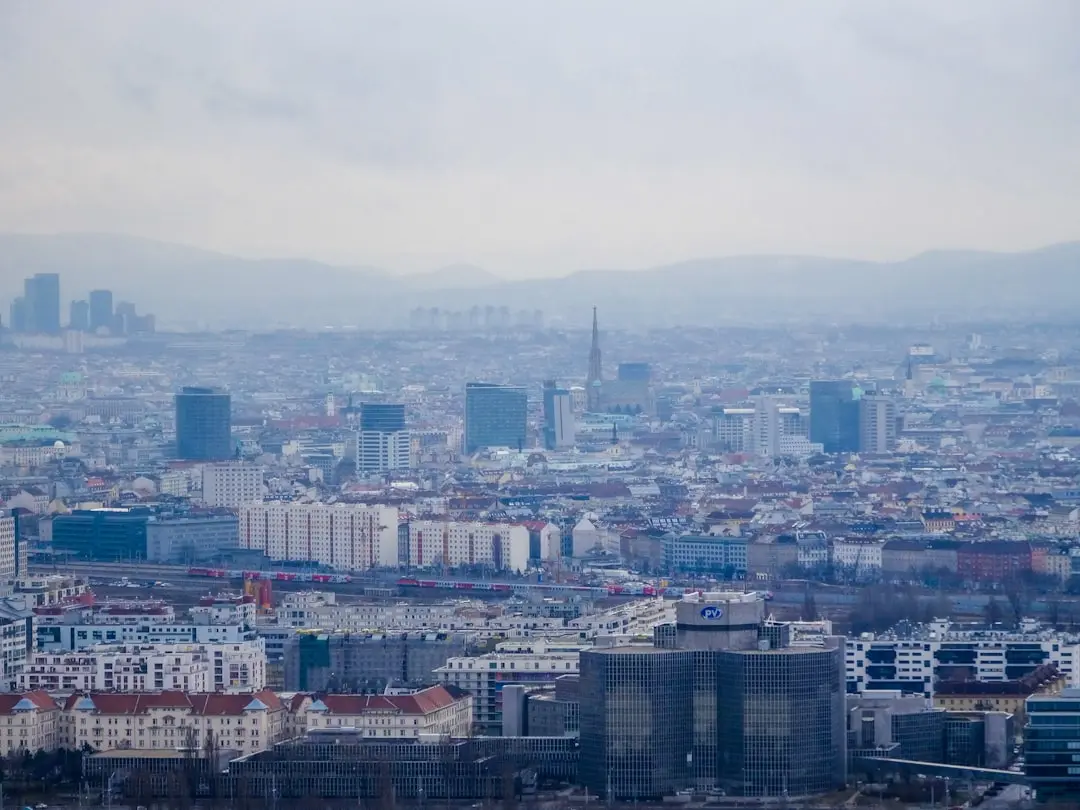
Vienna Travel Costs in 2026: Backpacker, Nomad & Luxury Budgets
Austria · EuropeVienna in August is a summer masterpiece of imperial grandeur and café culture. While it's pricier than Eastern Europe, savvy backpackers can find decent hostels and street food. Digital nomads get world-class connectivity and a growing community, while luxury travelers are spoiled with palaces, opera, and five-star hotels.
Is Vienna Expensive? The Short Answer
Yes — Vienna is expensive. At $55 a day for backpacker travel it costs more than 70% of the 399 destinations we track.
- A short trip of 4 nights costs about $220, excluding flights.
- A week costs about $385; a month is about $1650.
- That works out at $55 a day for backpacker travel.
Living in Vienna: Backpacker Guide for 2026
Vienna often feels like a museum piece of Habsburg elegance, but backpackers can still crack it open on a budget if they play their cards right. August is peak summer, so hostels fill fast — book ahead. The city hums with outdoor film screenings and free concerts in parks, and the famous Karlskirche hosts open-air classical performances. Despite the town's formal facade, you'll find a lively crowd of travelers and locals soaking up the warm evenings along the Danube Canal.
The social backpacker scene revolves around a handful of excellent hostels. Wombats City Hostel at Naschmarkt is legendary for its bohemian atmosphere and free walking tours, while Meininger in the museum quarter offers cheaper dorms and a modern vibe. For dirt-cheap eats, hit the Würstelstand for a €3 currywurst or dig into the colorful stalls of Naschmarkt during lunch hour. You can also pack a picnic from Billa supermarket and claim a spot in Stadtpark or the gardens of Schönbrunn — the palace itself costs €18, but the sprawling gardens and the Gloriette view are free.
Neighborhoods like Neubau, Josefstadt, and Leopoldstadt are your best bets for affordable accommodation and authentic local life. Neubau is the indie heart of Vienna, packed with thrift shops, vegan cafés, and street art. Just across the Danube, Leopoldstadt is quieter and home to the Prater amusement park, where the Riesenrad Ferris wheel is a classic (albeit pricey) splurge.
Daily budget: dorm €25, groceries and street food €12, public transport day pass €8.10, occasional museum and beer — expect around $55 a day. To save, walk or bike (Citybike is free for the first hour), spy on the imperial collections at the Kunsthistorisches Museum's free entry on the first Sunday of the month, and join the free walking tour that runs on tips. Vienna isn't cheap, but it rewards those who look beneath the gilding. The vibe is safe, cultured, and unexpectedly relaxed — a great place to slow down for a few days between Bratislava and Budapest.
How Much Does Vienna Cost? Daily and Monthly Budget
| Travel style | Day | Week | Month |
|---|---|---|---|
🎒BackpackerHostels, street food, public transport | $55/day | $385/week | $1650/month |
💻Digital NomadPrivate room, cafes, coworking spaces | $85/day | $595/week | $2550/month |
✨LuxuryHotels, fine dining, private transfers | $350/day | $2450/week | $10500/month |
Internet Speed in Vienna for Remote Work
Where to Stay in Vienna: Best Neighborhoods
Innere Stadt
$$The historic center, home to St. Stephen's Cathedral, the Opera, and the Hofburg. Beautiful but touristy and expensive. Perfect for luxury travelers and first-timers who want to be in the middle of everything.
Neubau
$A trendy, bohemian district packed with indie boutiques, vegan restaurants, and street art. Slightly more affordable, great for backpackers and nomads who want a cool place to stay with easy access to the center.
Leopoldstadt
$A laid-back area across the Danube Canal, home to the Prater and the Augarten. Quiet, green, and more affordable, ideal for families and long-term travelers seeking a relaxed vibe near the park.
Weather in Vienna This Week
Pros and Cons of Living in Vienna
Pros
- +World-class safety and stability
- +Outstanding public transport system
- +Imperial palaces and museums everywhere
- +High-speed, reliable internet
- +Rich coffeehouse culture
- +Excellent fine dining and wine bars
- +Vibrant summer events and open-air concerts
- +Great access to nearby cities like Bratislava
- +Clean and organized city
- +Strong digital nomad community growing
Cons
- -High cost of living and daily expenses
- -Winters are cold and gray
- -Limited budget backpacker infrastructure
- -Hostels fill up fast in summer
- -Most locals not very outgoing initially
- -Visas limited to 90 days for many nationalities
- -Nightlife is tame compared to Berlin
- -Some attractions have long lines and high fees
Vienna FAQ: What Travelers Ask Most
Vienna is exceptionally safe, consistently ranking among the world's safest cities. Violent crime is rare, and even solo night walks are generally fine. As always, watch your pockets in tourist-packed spots like Stephansplatz and on public transport, but you'll feel completely at ease.
For pleasant weather, late spring (May) and early autumn (September) are ideal. August is warm and lively with summer festivals, but the city is crowded with tourists. Winter brings snow, Christmas markets, and a cozy charm, though temperatures drop below freezing.
Tourists from the US, Canada, UK, Australia, and many other countries can enter Austria visa-free for up to 90 days in the Schengen Area. If you hold a passport from an EU/EAA country, no visa is required. For longer stays, consult the Austrian embassy.
Vienna has excellent connectivity, with average download speeds around 95 Mbps and uploads around 25 Mbps. Fiber is widespread, and public wifi is available in many cafés and libraries. Coworking spaces offer high-speed connections and are reliable for video calls.
Yes, Vienna is a solid remote work destination, though not as cheap as Southern Europe. You'll find modern coworking spaces and fast internet, but the cost of living is higher. The Schengen visa-free permit allows you to stay and work for up to 90 days without a special visa.
Vienna's backpacker scene exists but is less intense than in Prague or Budapest. Hostels like Wombats and Meininger are social and well-run, and the city is safe enough for solo travelers. However, costs are higher, so it's more a stopover than a long-term budget haven.
For backpackers, budget around $55 per day for hostels and street food. Nomads should plan on $85–100 daily for rent, coworking, and meals. Luxury travelers can easily spend $350 a day for five-star hotels and fine dining, but you get exceptional value compared to Paris or London.
Cities Near Vienna
The closest destinations across the border, with distance and daily cost
Best Places to Visit in Europe
Top-scoring destinations in the same part of the world.
Quick Facts
- Global Rank
- #172 of 399
- Rank in Austria
- #1 of 2
- Region
- Europe
- Timezone
- Vienna
- Weather
- 12.4°C · Sunny
- Backpacker
- $55/day
- Digital Nomad
- $85/day
- Luxury
- $350/day
- Monthly (backpacker)
- $1650
- Download
- 95 Mbps
- Upload
- 25 Mbps
Score by Travel Style
Do You Need a Visa for Vienna?
Tourists from the US, Canada, UK, Australia, and most EU countries can stay visa-free in Austria (and the Schengen Area) for up to 90 days within a 180-day period. Non-EU citizens need a passport valid for at least 3 months. Prolonged stays require a residence permit, but for typical short visits no visa is needed.
Is Vienna Safe?
Vienna is one of the safest major cities in Europe. Violent crime is extremely rare, and solo travelers can walk even late at night without fear. Standard precautions are enough, but be aware of pickpocketing in crowded tourist areas like Stephansplatz and on trams.