
Zagreb Travel Costs in 2026: Backpacker, Nomad & Luxury Budgets
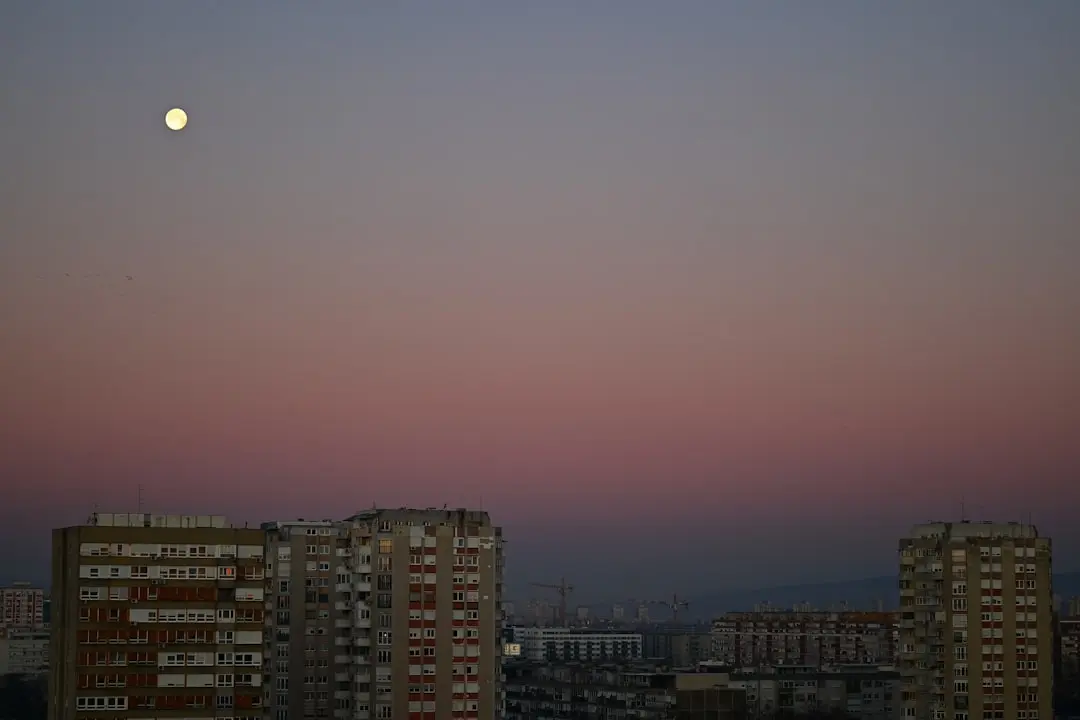
Croatia · EuropeZagreb in mid-August is buzzing with summer festivals, open-air concerts, and lively café terraces. Affordable for backpackers, functional for nomads, and delightfully historic for luxury travelers.
Is Zagreb Expensive? The Short Answer
Zagreb is mid-range. At $30 a day for backpacker travel it undercuts 68% of the 399 destinations we track.
- A short trip of 4 nights costs about $120, excluding flights.
- A week costs about $210; a month is about $900.
- That works out at $30 a day for backpacker travel.
Living in Zagreb: Backpacker Guide for 2026
Zagreb is Central Europe's underrated budget gem, especially in mid-August, when the city slows down and many locals escape to the coast. You'll sidestep the Adriatic crowds and soak up a thriving café culture at a fraction of Split or Dubrovnik prices. With hostel beds from €12-18 and hearty street food like 'kuhana' (boiled corn) and burek, your dollar stretches further than you'd expect. Plus, the summer cultural season fills parks and squares with free concerts and open-air film screenings.
Hostels like Swanky Mint and the Main Square Hostel put you right in the old town, with dorms that are clean, social, and affordable. For food, head to the Dolac Market for seasonal fruit and local cheeses, grab a burek from a bakery for under €2, or opt for a 'gablec' (traditional peasant lunch) at a konoba for under €8. Free and cheap activities include guided walking tours (tip-based), the quirky Museum of Broken Relationships (€5), Picado's street art, and hanging out in Zrinjevac Park, where summer events often happen.
For accommodation, Donji Grad (Lower Town) is the place to be—its green horseshoe of parks, craft beer bars, and hostels make it perfect for meeting travelers. Gornji Grad (Upper Town) is more scenic but tends to be pricier; still, riding the world's shortest funicular (about €0.60) is a must. If you're staying longer, consider renting a room in Trešnjevka for lower prices and a more local feel.
A realistic daily budget is €28-35: €12-18 for a hostel bed, €10-12 for market food and street eats, and €3-5 for transport and entry fees. Splurge on a truffle pasta at a local restaurant or a concert at the summer stage. Overall, Zagreb offers a safe, walkable, and genuinely affordable base for exploring this corner of Europe.
How Much Does Zagreb Cost? Daily and Monthly Budget
| Travel style | Day | Week | Month |
|---|---|---|---|
🎒BackpackerHostels, street food, public transport | $30/day | $210/week | $900/month |
💻Digital NomadPrivate room, cafes, coworking spaces | $85/day | $595/week | $2550/month |
✨LuxuryHotels, fine dining, private transfers | $250/day | $1750/week | $7500/month |
Internet Speed in Zagreb for Remote Work
Where to Stay in Zagreb: Best Neighborhoods
Donji Grad
$The Lower Town is Zagreb's vibrant heart, packed with museums, parks, cafés, and bars around the Lenuci Horseshoe. It's ideal for backpackers and nomads, with plenty of hostels, apartments, and easy access to everything.
Gornji Grad
$$Zagreb's medieval Upper Town is a maze of cobblestone streets, historic churches, and panoramic viewpoints. It's more atmospheric and romantic, with boutique hotels but fewer budget options.
Trešnjevka
$A residential district west of the city centre, offering lower rents and a more authentic local experience. It's quieter and practical for longer stays, with a huge farmers market and easy tram connections.
Weather in Zagreb This Week
Pros and Cons of Living in Zagreb
Pros
- +Very safe, low crime rates
- +More affordable than most EU capitals
- +Rich history and architecture
- +Compact, walkable city center
- +Good internet and digital nomad visa
- +Excellent café culture
- +Accessible public transport
- +Close to Plitvice Lakes and coast
- +Warm summer festivals
- +Friendly, English-speaking locals
Cons
- -Summer heat and humidity
- -City can feel empty in August as locals go to coast
- -Limited luxury label brands and high-end shopping
- -Bureaucracy can be slow
- -Nightlife is modest compared to coastal party towns
- -Public transport stops early; last trams around midnight
- -Tourist crowds concentrate in a few spots
- -Winter is drab and cold
- -Some infrastructure from the Yugoslav era shows age
- -August heat can make sightseeing tiring
Zagreb FAQ: What Travelers Ask Most
Zagreb is generally very safe, with low violent crime. Watch out for pickpockets in the main square and on trams, and keep your belongings close. Nighttime walks are fine in the center, but stick to well-lit streets as you would anywhere.
May-June and September-October are ideal: mild temperatures and fewer crowds. In August, many locals vacation on the coast, leaving the city quiet but still lively with summer concerts. Winter (December) brings the famous Advent market, arguably the best time for a cozy, festive visit.
Croatia is in the Schengen Area, so passport holders from the US, UK, Canada, Australia, and most other Western countries can enter visa-free for up to 90 days. Non-exempt nationals should apply for a Schengen visa. For long-term remote work, Zagreb offers a digital nomad visa valid for up to a year.
Zagreb has excellent fiber and cable internet, with typical download speeds of 80 Mbps, often hitting 200+ Mbps via providers like A1 or Iskon. Wi-Fi is available in all hostels, hotels, and most cafés. For remote work, coworking spaces guarantee stable 100+ Mbps connections.
Yes, Zagreb is a rising digital nomad hub. The city offers reliable internet, affordable living, and a dedicated digital nomad visa. Many cafés and coworking spaces welcome laptop users, and there's an active community with regular meetups. The main drawback is summer heat, but accommodations with AC exist.
Zagreb has a decent backpacker community, with popular hostels like Swanky Mint and Main Square Hostel. It's not as social as Southeast Asia, but bar crawls and walking tours make it easy to meet people. Being a smaller city, you'll often see the same faces, which makes forming friendships quick.
Backpackers can manage on $30-35/day with hostels and market food. Digital nomads typically spend $85-100/day, including an apartment (rent $25-30/day), coworking ($12), and meals ($25). Luxury travelers should budget $250-$300 daily for five-star hotels, fine dining, and premium experiences like private tours.
Cities Near Zagreb
The closest destinations across the border, with distance and daily cost
Best Places to Visit in Europe
Top-scoring destinations in the same part of the world.
Quick Facts
- Global Rank
- #95 of 399
- Rank in Croatia
- #1 of 3
- Region
- Europe
- Timezone
- Zagreb
- Weather
- 11.8°C · Sunny
- Backpacker
- $30/day
- Digital Nomad
- $85/day
- Luxury
- $250/day
- Monthly (backpacker)
- $900
- Download
- 80 Mbps
- Upload
- 40 Mbps
Score by Travel Style
Do You Need a Visa for Zagreb?
Croatia is in the Schengen Area. Citizens of the US, UK, Canada, Australia, New Zealand, and most EU nations can visit visa-free for up to 90 days. A digital nomad visa is available for remote workers, allowing a one-year stay; check your nearest Croatian embassy for details.
Is Zagreb Safe?
Zagreb is very safe by global standards. Petty theft can occur in busy tourist areas and on trams; keep valuables secure. Avoid poorly lit areas at night, but overall it's a safe city for solo travelers.