
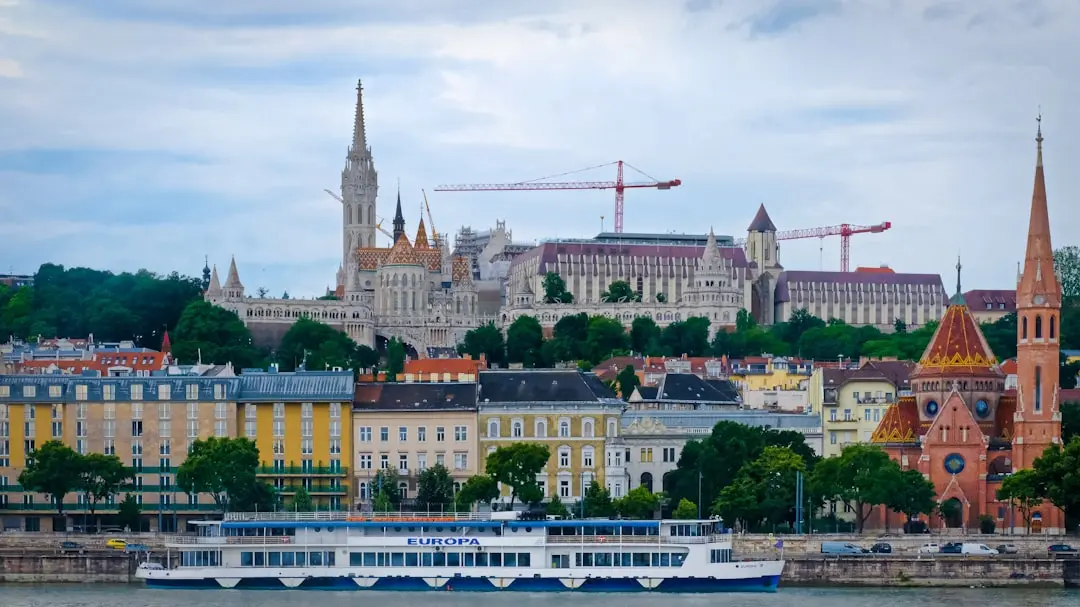
Budapest Travel Costs in 2026: Backpacker, Nomad & Luxury Budgets
Hungary · EuropeBudapest dazzles with its thermal baths, ruin bars, and majestic Danube views. August brings the legendary Sziget Festival, while affordable prices make it a favorite for backpackers, nomads, and luxury travelers alike.
Is Budapest Expensive? The Short Answer
Budapest is mid-range. At $30 a day for backpacker travel it undercuts 68% of the 399 destinations we track.
- A short trip of 4 nights costs about $120, excluding flights.
- A week costs about $210; a month is about $900.
- That works out at $30 a day for backpacker travel.
Living in Budapest: Backpacker Guide for 2026
Budapest is a backpacker's dream, offering Central European charm at a fraction of the cost of its neighbors. The city currently buzzes with the energy of Sziget Festival, making August a wild and exciting time to explore ruin bars and open-air parties. Expect a vibrant hostel scene, cheap beer, and unforgettable thermal baths—perfect for travelers who want big-city experiences on a tiny budget.
Hostels like Maverick Urban Lodge, Carpe Noctem, and Wombat's City Hostel offer beds from $15–20 a night, often including free walking tours and pub crawls. Street food is your best friend: grab lángos from a market stall, goulash soup from a bistro, or falafel from the Jewish Quarter for under $6. Free sights abound—walk across the Chain Bridge, climb Gellért Hill for sunset, and explore the Fisherman's Bastion before the crowds. Many museums, like the Hungarian National Gallery, have free days too.
Stay in District VII (the Jewish Quarter) for the best social scene—ruin bars like Szimpla Kert are right outside your door. District IX is quieter, cheaper, and home to the Great Market Hall, with easy access to the Danube. For a truly local vibe, District VI is also a great choice, packed with cafés and budget restaurants. Budget for around $30 a day: $18 for a hostel bed, $8–10 for meals, and the rest for public transport and a thermal bath visit.
Money-saving tips: buy a travel card for unlimited trams and metro, shop at Lidl or Aldi for picnic supplies, and visit thermal baths in the evening when prices drop. Keep an eye out for free walking tours that tip instead of charging a fixed fee. With careful planning, you can see Budapest comfortably on $30–35 a day while still enjoying the city's legendary nightlife. The Sziget Festival might be the highlight of your whole trip, so pack your dancing shoes.
How Much Does Budapest Cost? Daily and Monthly Budget
| Travel style | Day | Week | Month |
|---|---|---|---|
🎒BackpackerHostels, street food, public transport | $30/day | $210/week | $900/month |
💻Digital NomadPrivate room, cafes, coworking spaces | $60/day | $420/week | $1800/month |
✨LuxuryHotels, fine dining, private transfers | $300/day | $2100/week | $9000/month |
Internet Speed in Budapest for Remote Work
Where to Stay in Budapest: Best Neighborhoods
District V (Belváros)
$$The historic city center along the Danube, home to the Parliament Building, Váci Street, and luxury hotels. It's the most touristy area but also the most convenient for sightseeing, upscale shopping, and riverside restaurants.
District VII (Erzsébetváros)
$The Jewish Quarter, famous for ruin bars, street art, and a bohemian vibe. This is the epicenter of nightlife, with countless bars, restaurants, and hostels, making it perfect for social travelers and backpackers.
District IX (Ferencváros)
$A trendy, up-and-coming neighborhood near the Danube and the Great Market Hall. It offers a mix of student energy, cheap eats, and modern apartments, ideal for budget travelers and nomads wanting a more local feel.
District II (Hegyvidék)
$$An upscale residential area in the Buda hills, known for embassies, quiet streets, and panoramic views. It's the choice for luxury travelers seeking privacy, greenery, and elegant homes away from the tourist crowds.
Weather in Budapest This Week
Pros and Cons of Living in Budapest
Pros
- +Affordable cost of living
- +Incredible thermal baths
- +Vibrant ruin bar scene
- +Stunning architecture (Parliament, Buda Castle)
- +Excellent public transportation
- +Safe for solo travelers
- +Great food scene (goulash, chimney cake)
- +Rich history and museums
- +Lively festivals (Sziget)
- +Easy to walk and explore
Cons
- -Crowded in peak season
- -Pickpocketing in tourist spots
- -Language barrier for non-Hungarian speakers
- -Some areas dilapidated after dark
- -Slow bureaucracy for long-term stays
- -Winter can be bitterly cold
- -Tourist scams near main attractions
- -Cash still needed for small vendors
- -Quality of hostels varies
- -Public transport tickets require validation
Budapest FAQ: What Travelers Ask Most
Budapest is generally very safe for tourists. Violent crime is rare, but petty theft like pickpocketing occurs in crowded areas like the Chain Bridge and metro stations. Use common sense, avoid unlit streets at night, and secure your belongings. The city is well-policed and solo travel is common.
Budapest is delightful from May to September when weather is warm and festivals like Sziget take over. Spring and early summer are ideal for sightseeing without extreme heat. Winter is magical with Christmas markets but can be cold, and July-August is peak tourist season.
Hungary is part of the Schengen Area, so U.S., UK, Canadian, Australian, and many other nationals enter visa-free for up to 90 days in 180 days. Non-Schengen visitors should check with the Hungarian embassy. For stays beyond 90 days, you'll need a residency permit.
Budapest has excellent internet infrastructure. Average download speeds range from 60-100 Mbps, with fiber widely available in central districts. Many cafés and coworking spaces offer free wifi. For remote work, the connection is reliable and fast.
Absolutely. Budapest is a digital nomad favorite due to its affordability and quality of life. You'll find numerous coworking spaces, cafés with wifi, and a thriving expat community. The main limitation is the 90-day Schengen visa, though many choose to bounce to nearby countries.
Budapest has a legendary backpacker culture. Hostels are cheap and social, with many offering pub crawls and free walking tours. The ruin bars are the heart of the scene, where travelers gather over cheap drinks. It's easy to make friends and share stories.
Backpackers can manage on $30–35/day with hostels and street food. Mid-range travelers spend $60–100/day on hotels and meals. Luxury stays, including five-star hotels and fine dining, often run $300–400/day. Compared to Western Europe, Budapest is a bargain at every level.
Cities Near Budapest
The closest destinations across the border, with distance and daily cost
Best Places to Visit in Europe
Top-scoring destinations in the same part of the world.
Quick Facts
- Global Rank
- #22 of 399
- Region
- Europe
- Timezone
- Budapest
- Weather
- 14.9°C · Sunny
- Backpacker
- $30/day
- Digital Nomad
- $60/day
- Luxury
- $300/day
- Monthly (backpacker)
- $900
- Download
- 80 Mbps
- Upload
- 30 Mbps
Score by Travel Style
Do You Need a Visa for Budapest?
Hungary is part of the Schengen Area. Citizens of the US, UK, Canada, Australia, and New Zealand can enter visa-free for up to 90 days in any 180-day period. Other nationalities should check with the Hungarian embassy. For longer stays, a residency permit is required.
Is Budapest Safe?
Budapest is generally very safe for tourists. Violent crime is rare, but petty theft like pickpocketing occurs in crowded areas, especially on public transport and around major landmarks. Use common sense, avoid unlit streets at night, and secure your belongings.