
Prague Travel Costs in 2026: Backpacker, Nomad & Luxury Budgets
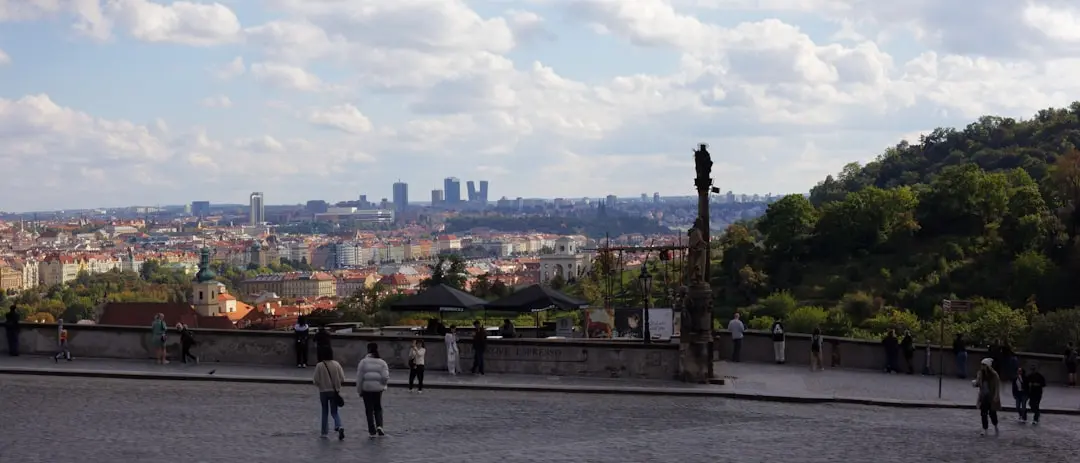
Czech Republic · EuropePrague in August 2026 is a beautiful, buzzing European gem: beer gardens are packed, al-fresco concerts are everywhere, and the September Prague Autumn International Music Festival is just around the corner. Impossibly pretty, surprisingly affordable, and with a nightlife that never sleeps, it's a dream for budget travelers, nomads, and luxury hounds alike.
Is Prague Expensive? The Short Answer
Prague is mid-range. At $35 a day for backpacker travel it undercuts 57% of the 399 destinations we track.
- A short trip of 4 nights costs about $140, excluding flights.
- A week costs about $245; a month is about $1050.
- That works out at $35 a day for backpacker travel.
Living in Prague: Backpacker Guide for 2026
Prague is a city that gives backpackers the best of both worlds: imposing Gothic spires, riverfront parks, and a party scene that never seems to switch off, all at prices that feel like a time warp from Western Europe. August is peak beer-garden season, and with the Prague Autumn International Music Festival warming up in September, the streets are filled with the hum of open-air concerts and pre-festival events. Yes, the Charles Bridge gets crowded, but a few steps into the side alleys of the Old Town, you'll find cheap Czech beer, sizzling klobásy, and a vintage-hippie energy that makes it easy to stay for a week.
Budget sleeping options are stellar. Hostels like the Madhouse Prague and Prague Square Hostel put you right in the action for 280–450 CZK ($12–20) a night, with free walking tours, pub crawls, and common rooms packed with travelers from every continent. For food, skip tourist-trap restaurants on Wenceslas Square and head to the local market at Náplavka or the grocer's at Havelské Tržiště. A hearty Czech lunch of svíčková or goulash with dumplings can be had for under 120 CZK ($5), and a half-litre of Pilsner costs about the same. Most museums offer student discounts, and the main sights—the Astronomical Clock, the Jewish Quarter streets, Petřín Hill—are completely free to explore.
For the quintessential backpacker stay, base yourself in Žižkov or Vinohrady, where beer gardens and late-night pizza spots sit beside tram lines that will whisk you downtown in 15 minutes. Sleeping in a hostel dorm, eating street food, and using public transport, you can get by on 800–1,000 CZK ($35–45) per day. Cramming in a few people for an Airbnb near Letná can drop that to $25 a day if you cook. The biggest tip from locals: buy a multi-day transport pass, eat your main meal at lunch, and let your hostel's pub crawl be your nightlife. That way you get the romance of this city, the crazy nights, and a bank balance that still outlives your hangover.
How Much Does Prague Cost? Daily and Monthly Budget
| Travel style | Day | Week | Month |
|---|---|---|---|
🎒BackpackerHostels, street food, public transport | $35/day | $245/week | $1050/month |
💻Digital NomadPrivate room, cafes, coworking spaces | $70/day | $490/week | $2100/month |
✨LuxuryHotels, fine dining, private transfers | $280/day | $1960/week | $8400/month |
Internet Speed in Prague for Remote Work
Where to Stay in Prague: Best Neighborhoods
Staré Město (Old Town)
$$The medieval heart of Prague, packed with Gothic and Baroque monuments like the Astronomical Clock and the Old Town Square. It's the most touristy area, so prices are higher and crowds never stop, but you're steps from the Charles Bridge and Kafka's birthplace. Great for first-timers who want to soak up the historic atmosphere day and night.
Vinohrady
$A leafy, upper-middle-class district just east of the center, known for its wide boulevards, elegant facades, and café culture that spills onto the sidewalks. It's popular with families and expats, and the main drag, Vinohradská třída, is lined with restaurants, bakeries, and a few great craft-beer bars. The quiet but well-connected vibe makes it ideal for longer stays.
Žižkov
$A gritty, bohemian neighborhood crowned by the Žižkov TV Tower, with some of the cheapest beer in Prague. Pulsing with loud music bars, controversial pubs, and a strong local identity, it's not polished but it's authentic. If you want a fun street scene and don't mind a bit of grime, this is your base.
Karlín
$Once an industrial area, Karlín was reborn after the 2002 floods and is now a magnet for creative types, with trendy bistros, microbreweries, and coworking spaces. The streets are modern with a cool, laid-back energy, and the metro line B runs straight to the center in five minutes. A top choice for nomads and digital workers.
Letná
$A green plateau north of the Vltava, offering the famous Letná Beer Garden and extraordinary views over the historic city. Mostly residential, it feels like a local enclave while being a short walk from the Old Town across the Mánes Bridge. The park is perfect for jogging, picnics, and watching the sunset with the castle as a backdrop.
Weather in Prague This Week
Pros and Cons of Living in Prague
Pros
- +Excellent public transport system (trams, metro, buses) with multi-day passes
- +Affordable compared with London, Paris, or Berlin
- +Very safe city with low violent crime
- +Rich cultural scene: galleries, classical concerts, festivals
- +Epic nightlife and beer culture at bargain prices
- +Beautifully preserved medieval architecture
- +English widely spoken in tourism and business circles
- +Fast and reliable internet for remote work
- +Walkable city with many parks and green spaces
- +Strategic base for weekend trips to Dresden, Vienna, or Krakow
Cons
- -Summer crowds make Old Town claustrophobic
- -Tourist-trap restaurants in center are overpriced
- -Winter can be cold, damp, and dark
- -Non-EU visitors limited to 90 days in Schengen
- -Cash-only in some small shops and cafés
- -Tram delays during rush hour
- -Some locals are not fluent in English
- -Air quality drops in winter due to heating
- -Stag parties can make certain districts rowdy
- -Rising rents push apartments up in price each year
Prague FAQ: What Travelers Ask Most
Prague has a very low violent crime rate and is generally safe for tourists, including solo travelers. The main risks are pickpocketing in crowded tourist spots and overcharging by scam taxi drivers, so stay alert and use licensed taxis or ride-hailing apps. As with any big city, avoid late-night excursions into very quiet and isolated corners.
Prague is beautiful all year, but most visitors prefer late spring (April-May) and September-October for mild weather and fewer crowds. August is warm and lively but peak-season busy; winter brings Christmas markets but cold and dark days. If you want to avoid crowds, visit in March or November when festivals still take place but tourist numbers drop.
For stays up to 90 days, US, UK, Canadian, Australian, and most Asian nationals do not need a visa for short tourism visits. EU/EEA citizens can travel freely. For longer stays (e.g., remote work), you may need a long-stay visa or residence permit, depending on your nationality, though you can often use the 90-day Schengen window for three months.
Prague has fast and reliable internet, with average download speeds of 85-100 Mbps and uploads around 40-50 Mbps. Many cafés and coworking spaces have even faster dedicated lines. Almost all accommodation offers WiFi, and the 5G mobile network is excellent in the city.
Yes, Prague is a very workable remote-work destination, thanks to good internet, numerous coworking spaces, and a decent nomad community. You can work as a digital nomad under a tourist visa for up to 90 days (from the Schengen area), but you'll need a proper freelance/live-work visa for longer. The main challenge is the 90-day limit for non-EU citizens, not the infrastructure.
Prague is a classic backpacker stop on the Central Europe circuit, with a large selection of hostels, pub crawls, and free walking tours. It's easy to meet other travelers in Old Town and Letná, and the city's relatively low cost of living means your budget goes further than in Paris or Amsterdam. The vibe is party-leaning but you can also find quiet, cultural spots to recharge.
Backpackers can get by on $35-55/day with a hostel bed, street food, and public transport; digital nomads typically spend $70-120/day for a studio apartment, coworking, and eating out; and luxury travelers can easily spend $300+/day on five-star hotels, fine dining, and spa treatments. The overall pricing is about 30-50% cheaper than London or Paris, making it a true value destination.
Cities Near Prague
The closest destinations across the border, with distance and daily cost
Best Places to Visit in Europe
Top-scoring destinations in the same part of the world.
Quick Facts
- Global Rank
- #88 of 399
- Region
- Europe
- Timezone
- Prague
- Weather
- 11.8°C · Overcast
- Backpacker
- $35/day
- Digital Nomad
- $70/day
- Luxury
- $280/day
- Monthly (backpacker)
- $1050
- Download
- 95 Mbps
- Upload
- 45 Mbps
Score by Travel Style
Do You Need a Visa for Prague?
Most travelers from the US, UK, Canada, Australia, Japan, and South Korea can enter the Schengen area visa-free for up to 90 days in a 180-day period. EU/EEA citizens can travel and stay freely. Those planning a longer stay or remote work may need a long-stay visa, a trade license (Živnostenský list), or a Czech residence permit.
Is Prague Safe?
Prague is one of Europe's safest big cities, with very low violent crime and well-lit, walkable streets. The most common nuisances are pickpocketing around Old Town Square, Wenceslas Square, and trams, plus occasional overcharging by unlicensed taxi drivers. Avoid flashing valuables and stay in busy areas late at night.