
Warsaw Travel Costs in 2026: Backpacker, Nomad & Luxury Budgets
Poland · EuropeWarsaw in August buzzes with open-air Chopin concerts in Łazienki Park, lively beer gardens, and a resilient spirit that pairs gritty history with a sleek, modern skyline. It's a cheap, safe gateway to Central Europe—perfect for backpackers who want value without skimping on culture.
Is Warsaw Expensive? The Short Answer
Warsaw is mid-range. At $30 a day for backpacker travel it undercuts 68% of the 399 destinations we track.
- A short trip of 4 nights costs about $120, excluding flights.
- A week costs about $210; a month is about $900.
- That works out at $30 a day for backpacker travel.
Living in Warsaw: Backpacker Guide for 2026
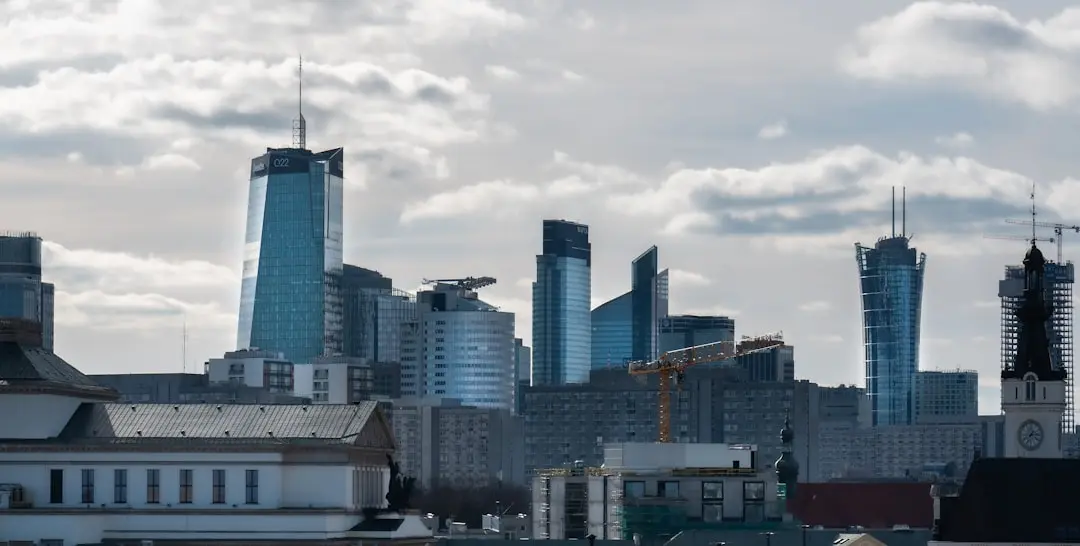
Warsaw in August is an underrated gem for budget travelers. While it lacks the overwhelming hostel culture of Prague or Budapest, it compensates with absurdly low prices, an incredible history, and a warm, proud local vibe. The city is decked out for summer—street festivals, open-air film screenings in the parks, and those magical Chopin piano recitals under the trees in Łazienki Park. You'll feel a sense of resilience meeting modernity as you wander between the rebuilt Old Town and the sleek, glassy skyline of the business district.
Hostels are cheap and friendly—expect to pay $12-20 a night for a dorm at places like Oki Doki or Safestay, which organize pub crawls and walking tours. Food is a steal: grab pierogi at a bar mleczny (milk bar) for under $4, street kebabs for $3-5, or splurge on a hearty Polish dinner for $12. Free attractions abound: the Warsaw Uprising Museum is a must-see (entry fee but worth it), the Palace of Culture offers views for a few złoty, and you can stroll the Vistula River boulevards for nothing.
For a bed, the area around the Old Town is touristy; instead, head to Powiśle or the eastern side of Śródmieście for cheaper digs and a local feel. Alternatively, basic and hip accommodations in Praga Północ keep you near the coolest bars and street art. You'll meet other travelers mostly at hostels and pub crawls, but don't expect the nonstop party scene of larger hubs.
Your daily budget: $18-20 for a hostel bed, $10-12 for food from milk bars and street food, $3 public transit (don't bother with taxis), and $5-10 for attractions or a drink. Total: $35-40, or less if you cook and use free activities. Warsaw is a place where you can live large on $30-35 a day—just bring a sweater for those chilly August evenings.
How Much Does Warsaw Cost? Daily and Monthly Budget
| Travel style | Day | Week | Month |
|---|---|---|---|
🎒BackpackerHostels, street food, public transport | $30/day | $210/week | $900/month |
💻Digital NomadPrivate room, cafes, coworking spaces | $65/day | $455/week | $1950/month |
✨LuxuryHotels, fine dining, private transfers | $250/day | $1750/week | $7500/month |
Internet Speed in Warsaw for Remote Work
Where to Stay in Warsaw: Best Neighborhoods
Śródmieście
$The central district includes the historic Old Town, Royal Route, and bustling business areas. It's touristy but walkable, with plenty of hotels, restaurants, and attractions. Great for first-time visitors, but prices are higher and it can be crowded.
Praga Północ
$Across the Vistula River, Praga is known for its gritty charm, street art, and hipster vibe. It's cheaper than the center and has a growing arts scene, with trendy cafés and underground clubs. Perfect for travelers on a budget and those seeking authenticity.
Mokotów
$A leafy, residential district south of the center, popular with professionals and families. It offers quiet streets, parks, and a more local feel. Ideal for nomads seeking long-term rentals and a break from the tourist crowds.
Weather in Warsaw This Week
Pros and Cons of Living in Warsaw
Pros
- +Very safe city with low violent crime
- +Excellent value for money compared to Western Europe
- +Great public transportation system (trams, buses, metro)
- +Rich history and culture, including Warsaw Uprising Museum
- +Fast and reliable internet (fiber-optic)
- +Growing expat and digital nomad community
- +Vibrant nightlife with cool bars and clubs
- +Many parks and green spaces, especially Łazienki Park
- +Central location in Europe, easy to travel onward
- +English widely spoken by younger generations
Cons
- -Cold and dark winters that can be tough for some visitors
- -Some areas have unattractive Soviet-era architecture
- -Language barrier for English in some older services
- -Limited luxury options compared to Paris or London
- -Backpacker social scene not as lively as Prague or Budapest
- -Tourist crowds in summer, especially in Old Town
- -Weather can be rainy and unpredictable even in summer
- -Bureaucratic hurdles for long-term rental contracts
Warsaw FAQ: What Travelers Ask Most
Yes, Warsaw is very safe for tourists. The city center is well-policed and crimes like pickpocketing are rare but do occur in crowded spots. Normal precautions apply, especially at night, but you should feel comfortable walking around.
The best time is from May to September when the weather is mild and parks are green. August is particularly lively with open-air concerts. Winter (December) is magical due to Christmas markets, but it's cold and dark. Expect peak tourism during summer.
Poland is in the Schengen Area, so US, UK, Canadian, Australian, and many other nationals can stay visa-free for up to 90 days in any 180-day period. Others need a Schengen visa. For stays longer than 90 days, you must apply for a Polish national visa or temporary residence permit.
Internet speed is excellent, with average fiber-optic connections around 200 Mbps download. Public WiFi is available in many cafés and public spaces. Coworking spaces offer reliable high-speed connections, making Warsaw a great city for remote work.
Absolutely. Warsaw offers affordable coworking spaces, fast internet, and a growing community of remote workers. You can stay up to 90 days visa-free (for many nationalities), and longer if you apply for a temporary residence permit. The cost of living is low, making it attractive.
The backpacker scene is decent, with a handful of social hostels like Oki Doki and Safestay that organize pub crawls and tours. It's not as big as in Prague or Budapest, but you'll meet travelers at hostels and in the Old Town. Prices are very budget-friendly.
As a backpacker, budget around $30-40 per day for a hostel, meals, and local transport. For a digital nomad, plan on $60-70 per day, including rent, coworking, and dining out. A luxury traveler can spend $250+ per day for five-star hotels and fine dining, which is still a great value.
Cities Near Warsaw
The closest destinations across the border, with distance and daily cost
Best Places to Visit in Europe
Top-scoring destinations in the same part of the world.
Quick Facts
- Global Rank
- #96 of 399
- Rank in Poland
- #3 of 3
- Region
- Europe
- Timezone
- Warsaw
- Weather
- 13.9°C · Smoky haze
- Backpacker
- $30/day
- Digital Nomad
- $65/day
- Luxury
- $250/day
- Monthly (backpacker)
- $900
- Download
- 200 Mbps
- Upload
- 50 Mbps
Score by Travel Style
Do You Need a Visa for Warsaw?
Poland is part of the Schengen Area. Many nationalities (e.g., US, UK, Canada, Australia) can stay visa-free for up to 90 days within any 180-day period. Others need to apply for a Schengen visa. For long-term stays, consider a Polish national visa.
Is Warsaw Safe?
Warsaw is generally very safe for tourists. The city center is well-lit and heavily policed. As with any major European city, watch out for pickpockets in crowded areas like the Old Town or main train stations, but violent crime is rare.