
Riga Travel Costs in 2026: Backpacker, Nomad & Luxury Budgets
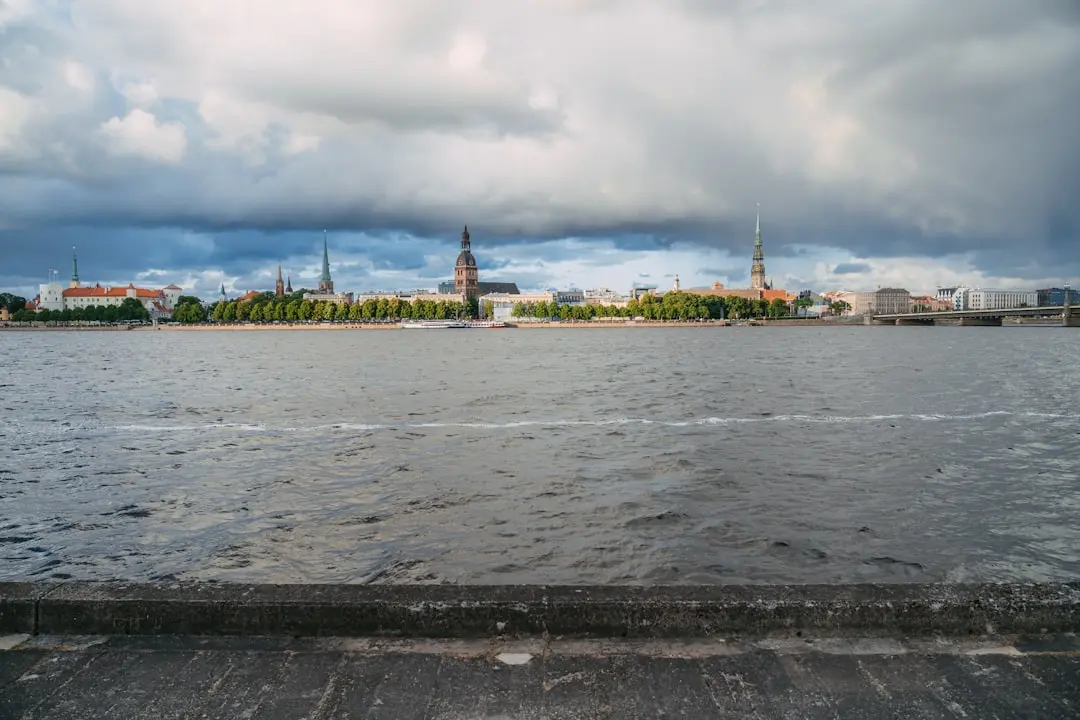
Latvia · EuropeRiga is a Baltic beauty that's kind to your wallet — think Art Nouveau streets, craft beer, and a festival atmosphere in August. The Riga City Festival lights up late August with free concerts and food stalls, and the city's compact Old Town is perfect for a budget adventure.
Is Riga Expensive? The Short Answer
Riga is mid-range. At $35 a day for backpacker travel it undercuts 57% of the 399 destinations we track.
- A short trip of 4 nights costs about $140, excluding flights.
- A week costs about $245; a month is about $1050.
- That works out at $35 a day for backpacker travel.
Living in Riga: Backpacker Guide for 2026
Riga is a backpacker's dream in the Baltics: it's cheaper than Stockholm or Copenhagen, yet packed with enough history and nightlife to keep you busy for a week. The city's compact core means you can walk everywhere, and in late August the Riga City Festival takes over the Old Town with free open-air concerts and pop-up food markets. With its picture-perfect Art Nouveau streets and a young, international crowd, you'll feel the energy immediately.
For accommodation, hostels like Naughty Squirrel and River Hostel offer clean dorms and a social vibe. Prices range from $12 to $18 a night, and many hostels organize pub crawls and walking tours. When it comes to food, skip the touristy restaurants in Town Hall Square and instead grab cheap Latvian fare at the Central Market (Riga Central Market) — a set of massive trading pavilions in old Zeppelin hangars. Here, a generous plate of grey peas with bacon or a piragi (bacon roll) costs around $4. Also try the local street food cart in Miera Iela for a hearty burger for $5.
For your base, the area between the Old Town and Centrs is ideal: you get the historic vibes without the premium prices. Art Nouveau district is beautiful but pricey, while the quieter Agenskalns district across the river offers lower-cost dorms and guesthouses. For a hipster scene, Miera Iela is full of vintage shops, cafés, and craft-beer bars; it's where locals hang out and where your hostel money goes further.
Your daily budget in Riga can easily be $35 to $40: $15 for a dorm, $12 for street food and market meals, $3 for a 24-hour tram pass, and a few euros for a museum or two. To save even more, take a free walking tour (the guides work for tips), cook at the hostel kitchen, and hit the happy-hour deals at pubs like Lido (which offers cheap Latvian dishes and live music). And don't miss the 37-meter-high Freedom Monument at sunset — it's free to admire and a perfect photo op.
How Much Does Riga Cost? Daily and Monthly Budget
| Travel style | Day | Week | Month |
|---|---|---|---|
🎒BackpackerHostels, street food, public transport | $35/day | $245/week | $1050/month |
💻Digital NomadPrivate room, cafes, coworking spaces | $75/day | $525/week | $2250/month |
✨LuxuryHotels, fine dining, private transfers | $280/day | $1960/week | $8400/month |
Internet Speed in Riga for Remote Work
Where to Stay in Riga: Best Neighborhoods
Old Town (Vecriga)
$$The historic heart of Riga with cobblestone streets, medieval churches, and lively bars. It's touristy and accommodation is pricier, but you're steps from everything and the nightlife is legendary.
Centrs
$The Central district surrounds the Old Town and features broad avenues, Art Nouveau buildings, and chic cafés. It's the best base for those who want a local feel without sacrificing convenience, with mid-range prices.
Miera Iela
$Known as Riga's hipster street, Miera Iela is packed with vintage shops, craft breweries, and quirky eateries. It's slightly outside the center, so costs are lower, yet the atmosphere is authentically creative.
Agenskalns
$A residential area across the Daugava River, home to the Agenskalns Market and wooden architecture. It's quieter, cheaper, and offers a more laid-back experience for travelers who don't mind a short tram ride to the center.
Weather in Riga This Week
Pros and Cons of Living in Riga
Pros
- +Affordable compared to Western Europe
- +Stunning Art Nouveau architecture
- +Compact and walkable city center
- +Lively nightlife with cheap beer
- +Free walking tours
- +Excellent public transport network
- +Fast and reliable fiber internet
- +Beautiful parks and green spaces
- +Latvian sauna culture
- +Easy day trips to Jurmala beach
Cons
- -Cold dark winters with short days
- -Tourist crowds in summer peak season
- -Pickpocketing and scams in Old Town
- -Some Soviet-era suburbs feel rundown
- -Limited English among older population
- -Schengen visa-free period is only 90 days for non-EU
- -Rainy weather can disrupt outdoor plans
- -Digital nomad community is still small
- -Luxury scene lacks top-tier Michelin-starred restaurants
- -Driving and parking in the city can be tricky
Riga FAQ: What Travelers Ask Most
Riga is generally safe for tourists, with a violence rate lower than many European cities. However, pickpocketing and occasional scam touts operate in the Old Town, especially around tourist landmarks, so keep valuables secure. At night, stick to well-lit avenues and avoid the area around the Central Station after midnight, but otherwise you can roam with confidence.
The best time to visit Riga is from May to September, when temperatures are mild and the city comes alive with festivals. If you love snow and winter magic, December through February is charming, but bring heavy boots — it gets very cold. August is peak season with vibrant streets, but you'll avoid the worst of the tourist stampede if you come in late August after the festival rush.
Most travelers from the EU, US, UK, Canada, and Australia do not need a visa to visit Riga for up to 90 days within 180 days. Latvia is part of the Schengen Area, so any existing Schengen visa or residence permit grants entry. If you plan to stay longer, apply for a Latvian national visa or temporary residence permit from the Latvian embassy.
Riga has excellent internet connectivity, with average download speeds around 120 Mbps in the city center. Many cafés, libraries, and coworking spaces provide free Wi-Fi, and mobile 5G is widely available. The fiber network is reliable, making Riga a solid base for video calls and heavy uploading.
Yes, Riga is increasingly friendly to remote workers. With reliable fiber internet, affordable rents, and a handful of coworking spaces, you can easily work long-term. Keep in mind the 90-day Schengen limit; for longer stays you'll need a temporary residence permit or a digital nomad visa option if you can satisfy requirements.
Riga has a decent backpacker scene, with a handful of social hostels and occasional pub crawls. It's not as wild as Southeast Asia, but the mix of budget travelers from across Europe and Latvians looking to socialize makes it easy to make friends at hostels like Naughty Squirrel. The cost of travel is reasonable, and free walking tours help break the ice.
A typical trip to Riga costs around $35 per day for a backpacker, including a hostel, meals, and local transport. For a mid-range or nomad-style visit, plan on $75 per day for an apartment and dining out. Luxury travelers should budget $280 a day for a five-star hotel, fine dining, and premium excursions.
Cities Near Riga
The closest destinations across the border, with distance and daily cost
Best Places to Visit in Europe
Top-scoring destinations in the same part of the world.
Quick Facts
- Global Rank
- #81 of 399
- Rank in Latvia
- #2 of 2
- Region
- Europe
- Timezone
- Riga
- Weather
- 9.8°C · Overcast
- Backpacker
- $35/day
- Digital Nomad
- $75/day
- Luxury
- $280/day
- Monthly (backpacker)
- $1050
- Download
- 120 Mbps
- Upload
- 60 Mbps
Score by Travel Style
Do You Need a Visa for Riga?
Latvia is part of the Schengen Zone. Most Westerners (EU, US, UK, Canada, Australia, NZ) can stay visa-free for 90 days in any 180-day period. For longer stays, apply for a temporary residence permit or a national visa, which require proof of income and health insurance.
Is Riga Safe?
Riga is generally safe, but be cautious of pickpocketing and tourist scams in crowded Old Town. Violent crime is rare, though you should avoid poorly lit areas at night and stick to main streets.