
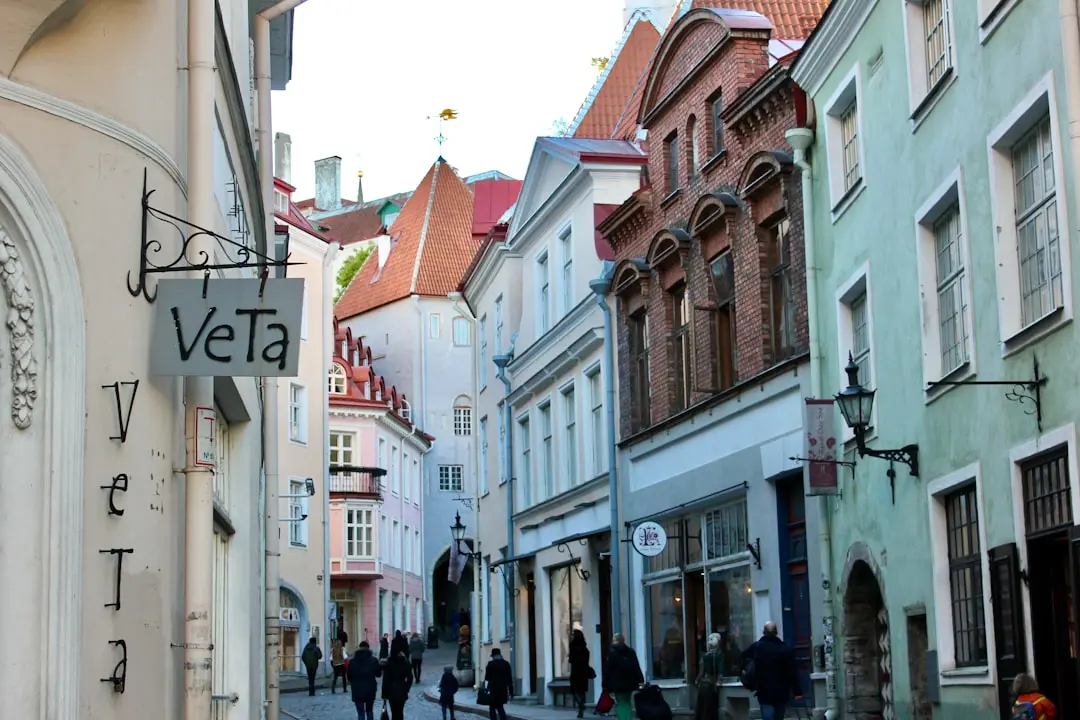
Tallinn Travel Costs in 2026: Backpacker, Nomad & Luxury Budgets
Estonia · EuropeA medieval fairytale with high-speed internet, Tallinn charms budget travelers with its walkable old town, free walking tours, and affordable hostels, while digital nomads thrive on world-class connectivity. In August 2026, the Tallinn Maritime Days fill the harbor with ships, live music, and street food, adding a festive layer to the city's already photogenic streets.
Is Tallinn Expensive? The Short Answer
Tallinn is mid-range. At $40 a day for backpacker travel it costs more than 51% of the 399 destinations we track.
- A short trip of 4 nights costs about $160, excluding flights.
- A week costs about $280; a month is about $1200.
- That works out at $40 a day for backpacker travel.
Living in Tallinn: Backpacker Guide for 2026
Tallinn is a backpacker’s fairytale—a compact capital whose UNESCO-listed old town is endlessly walkable and genuinely magical. As of August 2026 the city is in full summer swing: the Tallinn Maritime Days (mid-August) fill the harbor with old ships, open-air concerts, and cheap street food, giving budget travelers plenty of free entertainment. While not as dirt-cheap as Southeast Asia, Tallinn delivers strong value for Europe, and with a bit of planning you can explore the cafe culture, seaside suburbs, and Soviet-era history without emptying your wallet.
Hostel beds run €15–€25 in the old town, with the most social spots around Müürivahe and Pikk streets. For food, skip tourist-traps along Viru Street and head to the medieval kitchen at Olde Hansa only for a splurge; instead, grab creative street food at Telliskivi for €8–€12 or build a picnic from the Balti Jaama Turg market. Most old-town attractions—the town walls, Kohtuotsa viewpoint, and Toompea Castle—are free or under €5, and a day pass for public buses costs just €3.
The best budget neighborhoods are Kalamaja and Telliskivi, a 15-minute walk north of the old town. Kalamaja is a pastel-wooden house district with low-key bars, a laid-back seaside vibe, and hostels like the eco-friendly Kalamaja Hostel. Telliskivi, once an industrial region, now hosts markets and graffiti and is where locals go for cheap eats. Even closer, the old town itself gets quiet after sunset, but you won’t have to pay premium prices if you book ahead.
For a sustainable daily budget, aim for €45–€55: €20 for a hostel bed, €15–€20 for self-cooked meals and street bites, €5 for local transport or a day-rental bike, and €5–€10 for a drink or museum entry. To save, buy groceries at Selver or Rimi, take the free walking tour that starts from Town Hall Square, and use the public library’s free wifi instead of café hopping. With Tallinn’s near-midnight summer sun and friendly atmosphere, you’ll stretch every euro while creating memories that feel as rich as the old town’s gilded spires.
How Much Does Tallinn Cost? Daily and Monthly Budget
| Travel style | Day | Week | Month |
|---|---|---|---|
🎒BackpackerHostels, street food, public transport | $40/day | $280/week | $1200/month |
💻Digital NomadPrivate room, cafes, coworking spaces | $60/day | $420/week | $1800/month |
✨LuxuryHotels, fine dining, private transfers | $300/day | $2100/week | $9000/month |
Internet Speed in Tallinn for Remote Work
Where to Stay in Tallinn: Best Neighborhoods
Old Town (Vanalinn)
$The medieval heart of Tallinn, with cobbled streets, historic churches, and tower walls. It’s touristy and slightly pricier, but you’re steps from everything.
Kalamaja
$A bohemian district of colorful wooden houses, laid-back cafes, and a seaside promenade. Great for budget travelers and nomads seeking a local vibe.
Telliskivi
$A creative hub built from former industrial premises, full of street art, markets, and food halls. The heart of Tallinn’s alternative culture.
Kadriorg
$$An elegant, upscale residential area centered on a baroque palace and manicured park. Perfect for families and travelers wanting quiet sophistication.
Weather in Tallinn This Week
Pros and Cons of Living in Tallinn
Pros
- +Very safe, low crime rate
- +Compact and walkable old town
- +Excellent public transport (€3 daily pass)
- +Fast and reliable internet everywhere
- +Affordable compared to Western Europe
- +Rich history and UNESCO-listed architecture
- +Strong digital and startup culture
- +Friendly locals who speak English well
- +Beautiful long summer days in August
- +Easy access to beaches and islands
Cons
- -Winter is dark, cold, and harsh
- -August brings crowds to the old town
- -Limited party-hostel scene compared to Western Europe
- -Fewer international luxury hotel chains
- -Some tourist-trap restaurants overcharge
- -Public transport stops early at night
- -Alcoholic drinks can be pricey
- -Short tourist season in shoulder months
- -Not as budget-friendly as Eastern Europe
- -Distance from major European capitals
Tallinn FAQ: What Travelers Ask Most
Yes, Tallinn is very safe. Violent crime is rare, and most areas feel safe even at night. However, as in any tourist hotspot, watch for pickpockets in crowded old town streets and markets, and avoid walking alone in poorly lit areas late at night.
May through September offers mild weather and long daylight, with July and August being peak season. August is especially lively with maritime festivals and outdoor events. For fewer crowds and lower prices, try June or September. Winter brings a magical Christmas market but bitter cold and short days.
Estonia is in the Schengen Area, so citizens of the US, UK, Canada, Australia, New Zealand, Japan, and many others enjoy visa-free entry for up to 90 days. Travelers from non-Schengen waiver countries must apply for a Schengen visa at an Estonian embassy in advance.
It's outstanding. Most fiber connections deliver over 100 Mbps downloads, and 5G covers virtually the whole city. Free wifi is available on buses, in libraries, and in most cafés. Tallinn consistently ranks among the top European cities for connectivity, making it a joy for remote work.
Absolutely. Estonia pioneered the Digital Nomad Visa, allowing remote workers to stay up to 12 months with a qualifying income. Coworking spaces are plentiful, and the city’s digital infrastructure makes everything from banking to bureaucracy seamless. Long-term stays are easy and affordable for expats.
It's growing but more intimate than Western European hubs. There are friendly hostels in the old town and Kalamaja, with pub crawls, walking tours, and a genuine community feel. You’ll easily meet fellow travelers, but don’t expect massive party hostels. Budget options for food and transport are readily available.
Daily costs vary: backpackers can get by on about $40–$45 using hostels and street food; digital nomads renting an apartment and using coworking spaces might spend $60–$80 per day; luxury travelers should budget $300+ for high-end hotels and fine dining. August peak season may raise prices slightly.
Cities Near Tallinn
The closest destinations across the border, with distance and daily cost
Best Places to Visit in Europe
Top-scoring destinations in the same part of the world.
Quick Facts
- Global Rank
- #145 of 399
- Rank in Estonia
- #2 of 3
- Region
- Europe
- Timezone
- Tallinn
- Weather
- 11.6°C · Overcast
- Backpacker
- $40/day
- Digital Nomad
- $60/day
- Luxury
- $300/day
- Monthly (backpacker)
- $1200
- Download
- 100 Mbps
- Upload
- 50 Mbps
Score by Travel Style
Do You Need a Visa for Tallinn?
Estonia is part of the Schengen Area. Citizens of the US, UK, Canada, Australia, New Zealand, and many other countries can enter visa-free for up to 90 days within 180 days. Other nationalities need a Schengen visa. Always check the latest Estonian embassy guidelines before travel.
Is Tallinn Safe?
Tallinn is very safe; violent crime is rare. Exercise standard caution against pickpocketing in crowded old town areas, and stay alert late at night, but most travelers, including solo women, feel comfortable.