
Estonia Travel Costs in 2026
Europe3 destinations to explore. Daily costs average $33 with internet speeds around 103 Mbps and a safety rating of 9.0/10.
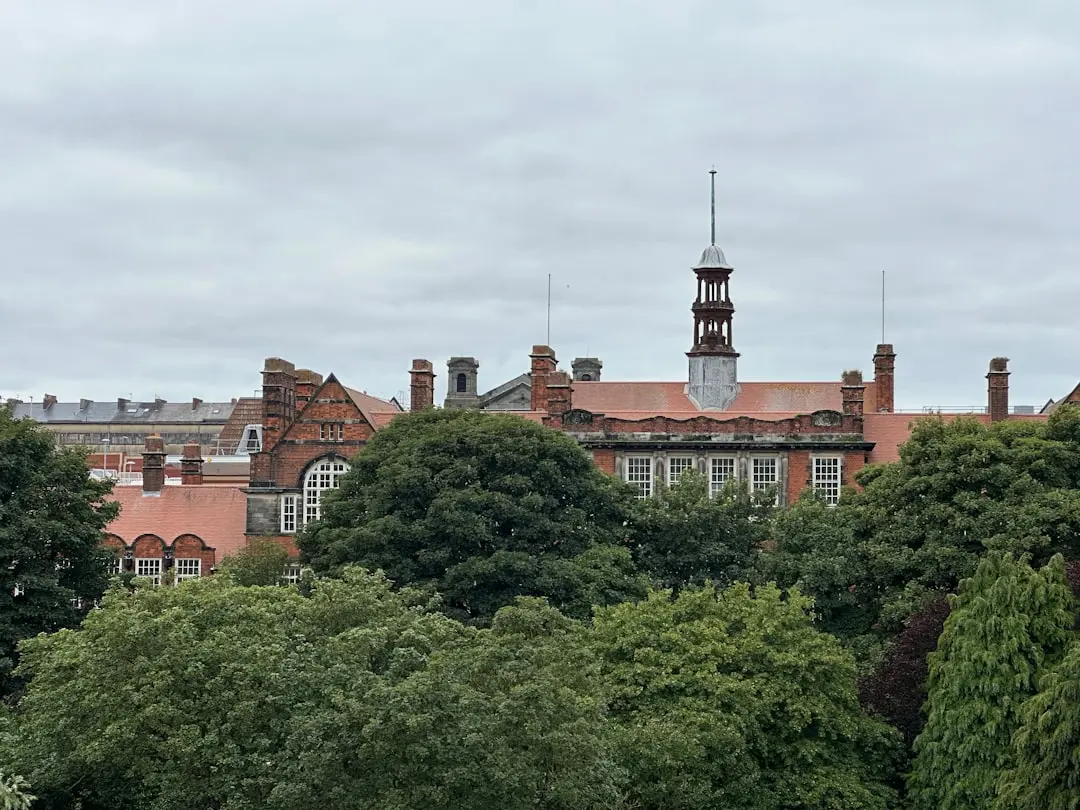
Tartu, Estonia’s intellectual capital, blends old-town charm with cutting-edge digital life. August’s long golden evenings are perfect for kayaking the Emajõgi, climbing Toomemägi, and catching the last of the summer street festivals. It’s affordable, safe, and refreshingly under-visited.
Tartu, Estonia’s intellectual capital, blends old-town charm with cutting-edge digital life. August’s long golden evenings are perfect for kayaking the Emajõgi, climbing Toomemägi, and catching the last of the summer street festivals. It’s affordable, safe, and refreshingly under-visited.
Estonia Travel Costs at a Glance
- Estonia currently has 3 indexed destination pages on this site.
- Average daily cost for backpacker travel is about $33, with an average score of 7.0/10.
- Top-rated city is Tartu and the most affordable option is Tartu.
- Average fixed internet speed is 103 Mbps and safety is 9.0/10 based on current dataset values.
Is Estonia Expensive?
Estonia is not a budget blowout, but it is not a bargain-basement destination either. The site’s averages put backpackers at $32 per day, digital nomads at $58 per day, and a comfort-focused traveller at $233 per day. That wide spread reflects a country with Western European prices for imported goods and services, yet local wages still below the richer eurozone states, which keeps everyday costs like bus fares and café meals noticeably lower than in Finland or Sweden. The euro is the currency, so if you come from outside the eurozone you will feel the exchange rate immediately. Seasonal demand matters: summer brings cruise-ship crowds to Tallinn, pushing up hostel and hotel rates, while shoulder seasons drop prices back to the averages above.
The structure of the economy also explains the range. Estonia imports much of its fuel, electronics, and packaged food, so those carry a premium. Domestic transport, on the other hand, is cheap and efficient: diesel buses and a modern rail line keep intercity fares in single digits or low teens. Tourism infrastructure is solid but not inflated; you pay for quality when you want it, as the $233 luxury figure suggests, but the $32 backpacker average is easily reached with a hostel bed and self-catered meals. If you are comparing Estonia to western Europe, it looks gentle. If you are coming from Southeast Asia or the Balkans, it will feel expensive. That honest midpoint is what the numbers show.
How Much Does It Cost to Travel in Estonia?
Within Estonia the price spread is real, and it follows the three destinations this site covers. Tallinn, the capital, is the most expensive: the backpacker average here is $35 per day, pushed up by tourist-heavy Old Town restaurants and higher hostel rates. Tartu, the university city 180 km southeast, is the cheapest at $25 per day for backpackers, and it also earns the site’s highest rating for remote workers at 8.4/10. The gap comes down to simple economics: Tallinn draws the bulk of the tourism, supports international-standard hotels, and prices its central cafés accordingly; Tartu lives on student budgets, with cheaper dorms, lunch deals, and a laid-back pace. Pärnu, the beach resort, sits in between, with prices that spike in July and August.
For a realistic daily budget, plan on $25–$35 if you are staying in hostels and eating simply, with Tartu at the low end and Tallinn at the high. A mid-range traveller who wants a private room, restaurant meals, and a few museum tickets will land near the $58 digital-nomad average, sometimes a little under in Tartu and a little over in Tallinn. For comfort — a central hotel, taxi rides, and a proper dinner every night — budget $100–$200 per day, with the site’s luxury figure of $233 marking the top end. The good news: because transport is cheap, you can base yourself in Tartu and still make day trips to Tallinn if you want the sights at a lower daily rate.
Best Time to Visit Estonia
Summer, from late June through August, is the most expensive and the busiest. Tallinn’s Old Town fills with cruise day-trippers, Pärnu’s beaches pack out, and hostel beds can double in price; the site’s $35 Tallinn backpacker average assumes peak-season rates. The real value window is the shoulder season: late May to mid-June and all of September. Daytime temperatures in May and September hover around 15–20°C, with fewer rain days than October, and you will find the same sights and cafés at noticeably lower prices. Midsummer (June 23–24) is a national celebration that spikes accommodation across the country; if you are not attending, avoid that weekend. July is warmest and most expensive; August is still busy but the cruise crowds ease off after the third week.
Winter is a different beast: December brings cold, short days and the Tallinn Christmas market, which keeps Old Town hotels busy but not at summer peak. January and February are the quietest and cheapest months, with temperatures often around -5°C to -10°C, but many coastal places, especially Pärnu, are half-shuttered. If you are chasing the lowest prices and do not mind the dark, January and February are your months; if you want daylight and mild weather without peak prices, September is the sensible pick. For digital nomads, Tartu’s university rhythm means affordable apartments in May and September, and the 103 Mbps average fixed internet is just as fast in the shoulder months as in high season.
Getting Around Estonia
Getting around Estonia is easy and cheap, and you never need to fly. The main connections are Tallinn–Tartu and Tallinn–Pärnu, both served by modern long-distance buses and, for the Tartu route, a comfortable train line. Buses from Tallinn to Tartu run hourly, take about 2.5 hours, and cost around $10–$15 one-way; the train takes a similar time with fares in the same range. To Pärnu, buses from Tallinn take about 2 hours and cost roughly $8–$12. The Tartu–Pärnu hop is slower, around 3 hours by bus, with a fare near $12–$15. Between the three cities, the bus is the most practical option because it drops you in the centre; the train is better for Tallinn–Tartu if you want a table and outlet.
Renting a car gives flexibility but is not necessary. Expect $40–$60 per day for a small hatchback, plus fuel at roughly $1.60–$1.80 per litre (the euro makes it feel steep). Parking in Tallinn’s Old Town is expensive and restricted, so many travellers park outside and walk. For Pärnu in summer, a car helps if you want the beaches beyond the town. Domestic flights do not exist between these three cities; the distances are too short. For island hops to Saaremaa or Hiiumaa, you would add a ferry, but that does not connect to any of the listed destinations. If you are staying within Tallinn, Tartu, and Pärnu, the bus and train network is all you need.
Visas, Money and Entry Rules for Estonia
Estonia is in the Schengen Area, so most travellers from the US, UK, Canada, Australia, and New Zealand can enter without a visa for up to 90 days in any 180-day period. Your passport must be valid for at least three months beyond your planned departure date. The currency is the euro, and card payments are absolutely dominant; even market stalls and bus ticket machines accept contactless. It is wise to carry a small amount of cash for rural vending machines, but do not rely on it. When paying by card, you may be asked if you want to be charged in your home currency — always choose the local currency to avoid a bad conversion rate.
Tipping is not aggressive. In restaurants, rounding up the bill or leaving 5–10% for good service is appreciated but not expected; bartenders and taxi drivers do not get tips. ATMs are widespread, but the trap is the same as everywhere in Europe: use an ATM inside a bank building, decline the offered conversion, and check for an operator fee of around €2–3. For entry, you will rarely be asked for proof of funds if you stay under 90 days, but it is wise to have a return ticket and travel insurance. One thing that catches people: if you have been refused entry elsewhere in Schengen, you must clear it with an embassy before travel. No vaccinations are required, and the country is about as safe as it gets — the site rates it 9/10.
All Destinations in Estonia
 🇪🇪
🇪🇪Tartu
8.2 · ExcellentTartu, Estonia’s intellectual capital, blends old-town charm with cutting-edge digital life. August’s long golden evenings are perfect for kayaking the Emajõgi, climbing Toomemägi, and catching the last of the summer street festivals. It’s affordable, safe, and refreshingly under-visited.
 🇪🇪
🇪🇪Tallinn
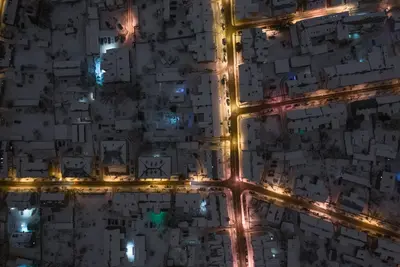
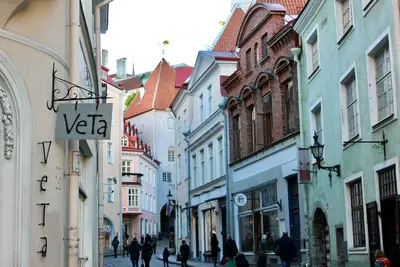
6.5 · GoodA medieval fairytale with high-speed internet, Tallinn charms budget travelers with its walkable old town, free walking tours, and affordable hostels, while digital nomads thrive on world-class connectivity. In August 2026, the Tallinn Maritime Days fill the harbor with ships, live music, and street food, adding a festive layer to the city's already photogenic streets.
 🇪🇪
🇪🇪Parnu
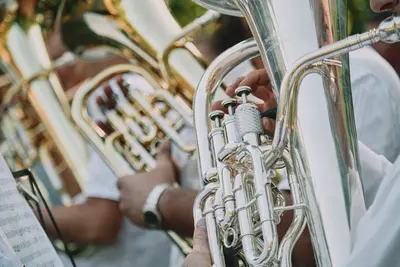
6.3 · GoodParnu is Estonia's sunny summer capital, famous for its sandy beach, mud spas, and vibrant festival season. In August, the town buzzes with beach-goers and culture lovers. Affordable for backpackers, welcoming for remote workers, and surprisingly refined for a small town.