
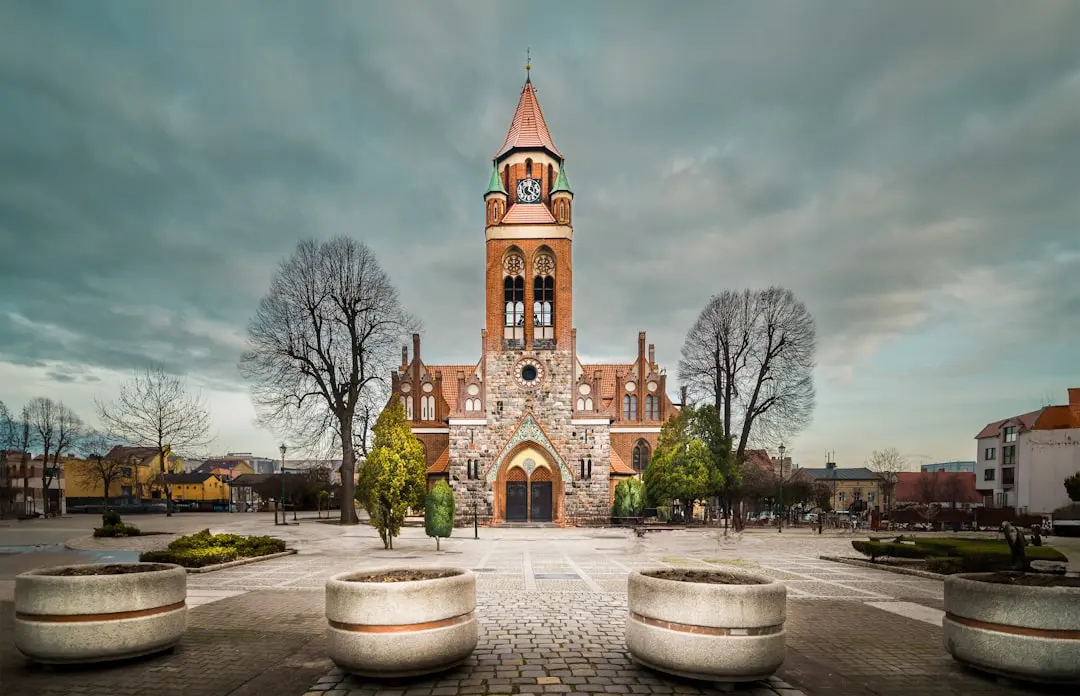
Poland Travel Costs in 2026
Europe3 destinations to explore. Daily costs average $30 with internet speeds around 133 Mbps and a safety rating of 8.7/10.
Krakow is a budget-friendly gem with a medieval heart: pierogi, hostels, jazz bars, and festivals galore. Late August brings summer street events; Sacrum Profanum hits in September.
Krakow is a budget-friendly gem with a medieval heart: pierogi, hostels, jazz bars, and festivals galore. Late August brings summer street events; Sacrum Profanum hits in September.
Poland Travel Costs at a Glance
- Poland currently has 3 indexed destination pages on this site.
- Average daily cost for backpacker travel is about $30, with an average score of 7.4/10.
- Top-rated city is Krakow and the most affordable option is Krakow.
- Average fixed internet speed is 133 Mbps and safety is 8.7/10 based on current dataset values.
Is Poland Expensive?
Is Poland expensive? For most travelers, the answer is a qualified no. The average backpacker spends $30/day, a digital nomad $65/day, and a luxury traveler $223/day. Those numbers sit well below Western European capitals, but they are higher than in neighboring Ukraine or Romania. The reason lies in Poland's post-EU transformation: wages have risen sharply, tourism infrastructure has modernized, and the zloty is stable, yet prices for local services and food remain a fraction of eurozone costs. Imported goods like electronics and fuel cost near Western levels, so your daily spend depends heavily on what you buy.
A meal at a milk bar costs $5-7, a hostel bed $12-18, and a tram ticket a dollar, while a boutique hotel room in Warsaw's Old Town might hit $100-150. Seasonality also matters: prices in Krakow and Gdansk jump 30-50% in July and August, and December's Christmas markets bring another spike. Shoulder months of May and September offer the same experiences at lower rates. If you avoid peak season and eat where locals eat, Poland is genuinely good value. If you insist on steak dinners and taxis, the $223/day luxury figure quickly becomes realistic.
How Much Does It Cost to Travel in Poland?
Within Poland, costs vary noticeably by destination. The cheapest on our list is Krakow, where a backpacker can get by on $25/day, while the most expensive is Gdansk at $35/day. Warsaw sits in between at $30/day, but it earns the highest rating for remote workers. The gap between Krakow and Gdansk comes down to tourism pressure and urban economics. Krakow's compact old town supports hundreds of hostels and budget restaurants that compete on price, keeping costs down despite huge visitor numbers. Gdansk, a smaller city rebuilt after the war, has fewer budget beds and more resort-style pricing near its Baltic waterfront, especially in summer. Yet even in Gdansk, a short walk separates a $35 day from a $45 one.
If you are traveling on a budget, plan for $25-35 per person per day depending on which city you are in, with Krakow on the low end and Gdansk on the high end. That buys a dorm bed, a couple of milk-bar meals, and a transit pass. A mid-range traveler, spending about $65/day, gets a private room in a guesthouse, sit-down dinners, and a museum or short tour. For comfort, expect $120-200/day, covering a well-located hotel and a few luxuries; the site's $223/day luxury figure includes four-star stays and fine dining. Prices are stable throughout the year except for the spikes mentioned earlier, so choosing Krakow for two nights of your trip will stretch your overall budget further than spending all your time in Gdansk.
Best Time to Visit Poland
The shoulder months of May, June, and September are Poland's sweet spot for value and comfort. In May, the weather warms to around 15-20°C and crowds are thin; in June, long days and midsummer festivals arrive but before the full peak. July and August are the most expensive, with accommodation rates often jumping 30-50% over the shoulder season, especially in Krakow and Gdansk. The Baltic coast becomes packed and Warsaw's open-air bars fill up. Winter from December to February is cheap except for the Christmas market period in late December, when Krakow and Gdansk see short-lived price spikes. January and February are the cheapest months but also the coldest, with temperatures often below freezing and shorter opening hours.
If you want the best of both, aim for late May or early September. You avoid the summer crush and still enjoy pleasant weather, and you can often find hotel rooms 20% cheaper than August. The biggest festival spikes come from Jewish Culture Festival in Krakow (late August) and St. Dominic's Fair in Gdansk (August), so book well ahead if those appeal. Easter weekend and the long May 1-3 holidays also fill rooms, so plan around them if you are on a tight budget. The Tatras Mountains near Zakopane are a popular ski destination in winter, but they are outside the three cities covered on this page and will add a transfer cost.
Getting Around Poland
Poland's three main destinations are compactly linked by train, bus, and occasionally flight. The fast EIP Pendolino train from Warsaw to Krakow takes about 2.5 hours and costs $25-35 when booked a few days ahead; from Warsaw to Gdansk it is about 3 hours and $30-40. The longer Krakow-to-Gdansk leg runs 5-6 hours, with rail fares of $30-45 and bus tickets (FlixBus) of $15-25. Domestic flights between these cities are rarely worthwhile because train times are short and departure points are central. If you book a LOT Polish flight far in advance, you might find a $40-60 fare, but the total journey including airport transfers often ends up slower than rail.
For a more flexible itinerary, renting a car costs $40-60/day with insurance, and the highway network is good; Krakow to Warsaw takes 3.5 hours, Warsaw to Gdansk 4 hours, and Krakow to Gdansk 6 hours. Buses are the cheapest overland option, with FlixBus connecting all three for $10-20 per leg, though rides take 30-60 minutes longer than the trains. Trains are the most comfortable choice, with power sockets and a buffet car on long-distance routes. The key advice: reserve a seat on weekend and summer trains, as they sell out. You can easily combine the three cities by rail without any need for a car or a plane, and the total transport cost for visiting all three will stay under $100 in standard class.
Visas, Money and Entry Rules for Poland
Most European, North American, and Australian passport holders can enter Poland visa-free as part of the Schengen Area for up to 90 days in any 180-day period. Your passport must be valid for three months beyond your planned return date. For longer stays, you need a national visa from a Polish consulate; travelers from many non-Schengen countries will require a Schengen visa, so check well ahead. Border officials occasionally ask for proof of funds and onward travel, so carry a small buffer in cash or card.
The currency is the Polish złoty (PLN), abbreviated 'zł'. Cards are accepted almost everywhere in cities, including contactless payments at markets and transit ticket machines, but keep some cash for rural areas and small shops. ATMs are common; a typical withdrawal charge is $3-5. Always choose to pay in PLN at card terminals—declining dynamic currency conversion saves you 5-10%. Tipping is polite but not required: 10% at restaurants and a few złoty for hotel staff is appreciated. Your passport is your main entry document; no visa is needed for most visitors. Just remember that travel insurance is strongly recommended, as Polish hospital care can be expensive for uninsured foreign visitors.
All Destinations in Poland
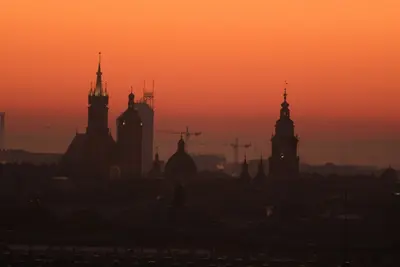 🇵🇱
🇵🇱Krakow
7.7 · GreatKrakow is a budget-friendly gem with a medieval heart: pierogi, hostels, jazz bars, and festivals galore. Late August brings summer street events; Sacrum Profanum hits in September.
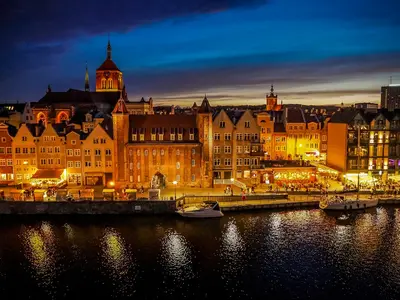 🇵🇱
🇵🇱Gdansk
7.3 · GreatGdańsk dazzles in mid-August as St. Dominic's Fair packs the old town with street stalls, concerts and medieval pageantry. With a stunning historic center, a Baltic beach nearby and prices far below Western Europe, it's a summer steal for backpackers, nomads and luxury lovers alike.
 🇵🇱
🇵🇱Warsaw
7.2 · GreatWarsaw in August buzzes with open-air Chopin concerts in Łazienki Park, lively beer gardens, and a resilient spirit that pairs gritty history with a sleek, modern skyline. It's a cheap, safe gateway to Central Europe—perfect for backpackers who want value without skimping on culture.