
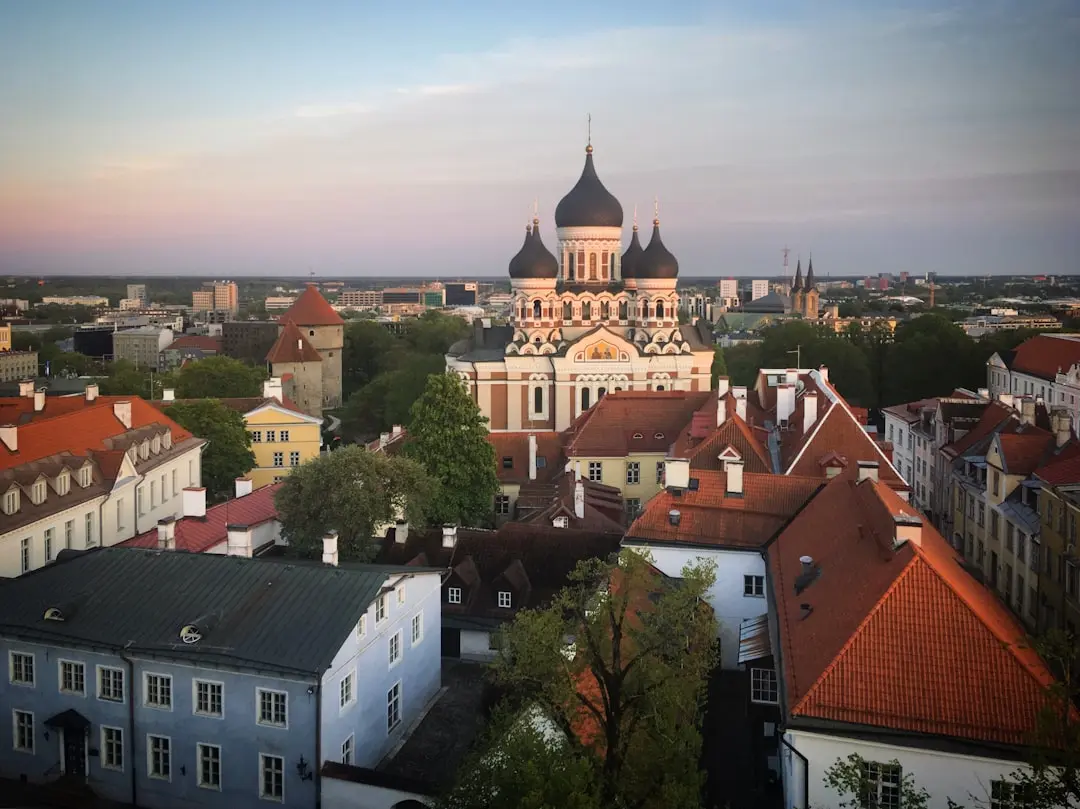
Czech Republic Travel Costs in 2026
Europe1 destination to explore. Daily costs average $35 with internet speeds around 95 Mbps and a safety rating of 8.0/10.
Czech Republic Travel Costs at a Glance
- Czech Republic currently has 1 indexed destination pages on this site.
- Average daily cost for backpacker travel is about $35, with an average score of 7.3/10.
- Top-rated city is Prague and the most affordable option is Prague.
- Average fixed internet speed is 95 Mbps and safety is 8.0/10 based on current dataset values.
Is Czech Republic Expensive?
Czech Republic is not an expensive destination, especially compared with Western Europe. A backpacker can live on the listed $35 per day, which covers a hostel bed, a hearty pub meal, and a public-transport pass. Digital nomads spend around $70 per day for private rooms and café working, while the $280 luxury figure buys a historic hotel in Prague's old town. The country has a strong middle-income economy, but its own currency, the Czech koruna, keeps prices lower than the euro zone, so your dollar goes further than it does just across the border.
What drives these costs is the balance between Czech wages and tourism demand. Prague attracts over 7 million visitors a year, which keeps hotel prices competitive rather than cheap, while small-town costs can run noticeably less. Imported goods and alcohol carry taxes, yet a beer is still around $2, and a three-course dinner in a normal restaurant rarely exceeds $25. The transport network is dense and inexpensive, and the 95 Mbps average internet keeps digital workers connected without a premium. Even the upper end of the scale is a bargain by western standards: $280 a day buys a four-star hotel, a chef’s tasting menu, and a private transfer from the airport.
How Much Does It Cost to Travel in Czech Republic?
On this site, Prague is both the cheapest and most expensive destination in the Czech Republic because it is the only destination covered. That means price variation is about where and how you stay rather than moving region. Hostel dorms run $12–$18, and a simple breakfast and lunch of street food costs about $8–$10. The $35-per-day budget traveller total remains realistic if you keep alcohol modest and eat at markets.
A mid-range traveller can expect $60–$90 per day: a private guesthouse room, sit-down meals, and a few museum tickets. At the comfort level, the $280-per-day figure covers a four-star hotel, a rental car if needed, and fine dining. The gap between budget and luxury is wide, but the base costs are predictable. Because Prague is compact, you can keep accommodation costs down by staying just outside the historic core, where prices fall by 20–30%, and still be only a tram ride from the main square.
For anyone wanting to stretch the budget lower, the city’s neighborhood structures help. Žižkov and Holešovice offer hostel beds for $12–$15, while the city’s beer price, often under $2, keeps evenings cheap. The only places that really add up are tourist-trap restaurants directly on Old Town Square, so a 10-minute walk east saves a third of the bill.
Best Time to Visit Czech Republic
The value window in Prague runs from late April to early June and from mid-September to October. In these shoulder months, weather is mild—spring temperatures hover at 10–18°C and autumn at 8–15°C—while hotel prices drop 20–30% from summer peaks. July and August are the busiest and most expensive, with daily highs of 24°C and packed castle courtyards; a standard double room can double in price.
Winter, from December to February, brings cold weather—often below freezing—but also the famous Christmas markets. If you come in December, book accommodation at least two months ahead to avoid a 30% spike around the markets. January is the quietest month, but many restaurants and attractions operate on reduced hours. For a balance of weather and price, late September is the sweet spot: summer crowds thin, and the golden city lives up to its name.
Beyond the weather, festivals push prices higher. The Prague International Food Festival in May and the Signal Festival of light in October both bring local visitors and fill rooms. In contrast, the mid-week period from late November to early December, before the markets ramp up, offers a quiet window with hotel rates 10–15% below the yearly average.
Getting Around Czech Republic
With only Prague on the site, getting around means moving within the city and taking day trips by train or bus. Public transport in Prague is excellent: a 24-hour pass costs about $5, and trams, buses, and metro run from 5am to midnight, with night trams at 20-minute intervals. Buy tickets at the machine with a card; the old paper tickets are no longer valid.
For day trips, České dráhy (CD) trains and RegioJet buses connect Prague with Kutná Hora, Český Krumlov, and Brno. A return ticket to Kutná Hora is roughly $10–$13 and takes under an hour; the trip to Český Krumlov costs about $12–$15 and takes about 3 hours each way. Renting a car is only useful if you plan to leave the city, and daily rates start around $40 with fuel at about $1.50 per litre. For most visitors, the train and bus network is cheaper and easier, and it reaches every corner of the country. If you are leaving the country, the direct EuroCity train to Vienna costs $35–$50 and takes under four hours.
Visas, Money and Entry Rules for Czech Republic
Citizens of the US, UK, Canada, Australia, and most European countries can enter the Czech Republic without a visa for up to 90 days in any 180-day period under the Schengen rules. Your passport must be valid for at least three months beyond your intended stay. The currency is the Czech koruna (CZK); cards are widely accepted, but keep a small amount of cash for markets and older taxis. ATMs are common, but avoid the white-label Euronet machines that push unfavourable exchange rates; instead, use a bank-owned ATM and decline the conversion. Tipping is customary at 10% for sit-down meals and for bar service; round up the bill in taxis.
There are no hidden entry taxes, and the Schengen area uses a common immigration lane. If you plan to stay longer than 90 days, you must apply for a long-term visa in advance. One practical catch: some border crossings are open, but you still need to carry your passport with you at all times. Also, be aware that Czech authorities may ask for proof of accommodation and funds when you arrive, so have printed copies of your hotel booking and a bank statement ready.