
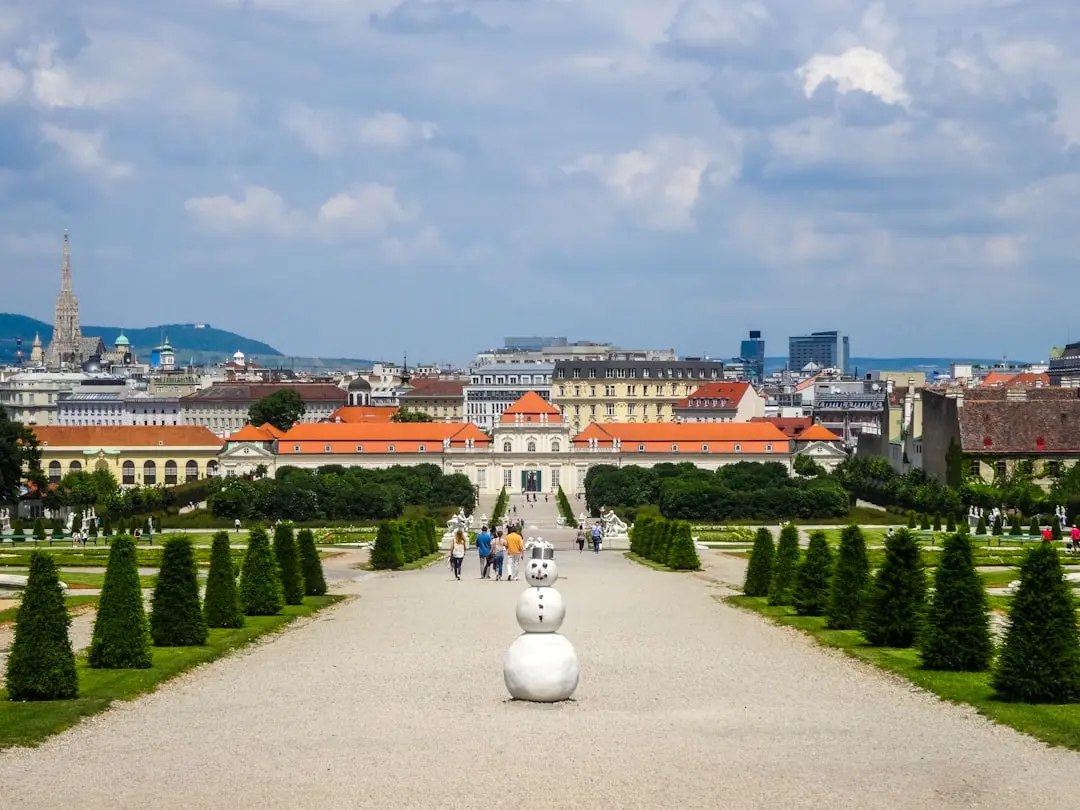
Austria Travel Costs in 2026
Europe2 destinations to explore. Daily costs average $50 with internet speeds around 90 Mbps and a safety rating of 9.5/10.
Vienna in August is a summer masterpiece of imperial grandeur and café culture. While it's pricier than Eastern Europe, savvy backpackers can find decent hostels and street food. Digital nomads get world-class connectivity and a growing community, while luxury travelers are spoiled with palaces, opera, and five-star hotels.
Salzburg in August is a stage for the world-famous Salzburg Festival, with opera, drama, and concerts spilling onto the streets. The baroque Altstadt, fortress, and alpine backdrop create a romantic, musical atmosphere. Costs run high, but free walks through the Mirabell Gardens and along the Salzach River give everyone a piece of the magic.
Austria Travel Costs at a Glance
- Austria currently has 2 indexed destination pages on this site.
- Average daily cost for backpacker travel is about $50, with an average score of 5.8/10.
- Top-rated city is Vienna and the most affordable option is Salzburg.
- Average fixed internet speed is 90 Mbps and safety is 9.5/10 based on current dataset values.
Is Austria Expensive?
Austria is unambiguously expensive. A backpacker's day here averages $50, digital nomads spend $93, and those chasing comfort hand over $325 — that's $1500, $2790, and $9750 a month respectively. The country sits in the heart of Europe with high labour costs, a strong currency, and a mature tourism sector that prices its services accordingly. You aren't paying for hidden extras; you're paying for quality that's enforced by law and reputation.
Why so high? Imported goods factor in, but the bigger costs are wages and overheads. Austrian staff in restaurants, hotels, and transport earn some of the highest wages in Europe, and those salaries appear in your bill. Infrastructure is world-class: punctual trains, spotless cities, reliable service. Peak season — summer and Christmas market months — pushes accommodation to its limit, and even in off-season, prices rarely drop below the $45 low seen in Salzburg backpacker dorms. You can trim costs by cooking, taking buses, and staying in hostels, but you'll still spend more than in Portugal or Greece. Accept that Austria is a country where you pay a premium for efficiency, safety, and scenic polish — and budget accordingly.
How Much Does It Cost to Travel in Austria?
Within Austria, the cost difference is noticeable but not dramatic. Salzburg is the cheapest destination this site tracks, with a backpacker daily average of $45; Vienna runs $55 a day for the same style of travel. That $10 gap comes down to accommodation and transport. Salzburg is smaller, has cheaper dorm beds, and you can walk most places. Vienna rewards money with convenience — hotel prices are steeper, tourist-dense areas are pricier, and the city's transit network tempts you to spend for speed.
For a budget traveller, plan on $45–$55 a day — a hostel bed, street food, a museum ticket or two. Mid-range travellers on $90–$150 a day get a private double, sit-down meals, and an occasional tour. If you want comfort — four-star hotels, fine dining, and guided excursions — set aside $200–$350 a day, which sits close to the national luxury average of $325. Vienna is the top-rated destination for remote workers, at 7.2/10, so if you're working while you travel, price its cafés and co-working spaces into your budget. Salzburg is better for stretching a dollar, but both cities demand respect for their price levels.
Best Time to Visit Austria
Timing makes a real difference to your wallet in Austria. Summer — June through August — draws the biggest crowds, and Salzburg's festival (late July through August) turns hotel prices into a horror show; expect rates double or triple the shoulder season. December is nearly as expensive, when Christmas markets fill every guesthouse in both cities, often with minimum-night stays. If you want decent weather without the price spike, aim for May, June, or September. Late September still lets you enjoy Alpine views and crisp air, while May gets you spring blossoms before the hordes arrive.
Winter outside December — January and February — is the true cheap window. Accommodations drop to some of the year's lowest rates, and while it's cold (average highs around 2–5°C), the cities are quieter and flights are cheaper. Locals will warn you that March and November are damp and grey, which is fair, but you'll save money and skip crowds if you can handle the dreariness. The honest advice: book the shoulder months for value, avoid festival fortnights and advent weekends, and you'll keep that daily $50 average realistic. If you're flexible, late spring and early autumn give the best balance of price and pleasant weather.
Getting Around Austria
With just two destinations on this site, Austria is easy to navigate. The common hop — Vienna to Salzburg — is a straight 300km rail ride along the ÖBB network, taking about 2 hours 45 minutes. Book ahead on Westbahn or Railjet and you can pay as little as $25 (€23) one-way; last-minute walk-up fares run closer to $60. A FlixBus is cheaper, roughly $18–$25, but takes almost 3.5 hours. There are no direct domestic flights between Vienna and Salzburg—you'd have to fly via Munich or change at an airport, which makes no sense for a journey that short.
Rent a car if you want to explore the Alpine countryside, but keep in mind tolls; a vignette for the motorway costs around $12 for 10 days. For the rest of the country, trains are the backbone. The ÖBB regional network is punctual and reasonably priced, and the Vienna S-Bahn connects to local towns. If you're day-tripping from Salzburg to Hallstatt or the Salzkammergut lakes, a regional train or bus will cost $15–$30. Unless you're crossing the Alps with heavy luggage, avoid domestic flights entirely; the rail system is faster door-to-door for every hop on this page.
Visas, Money and Entry Rules for Austria
Most visitors to Austria enter as tourists without a visa. US, UK, Canadian, Australian, New Zealand, and Japanese passport holders get 90 days in a 180-day period under the Schengen rules. Check your exact allowance before booking; if you've already spent time elsewhere in the Schengen zone, you must calculate carefully. The currency is the euro (€), and tap-to-pay cards are accepted almost everywhere, but carry about $50 in cash for small shops and Christmas markets. ATMs are plentiful, yet steer clear of Euronet machines that charge double-digit fees; use a bank-affiliated ATM instead.
Tipping is lower-key than in the US. In restaurants, rounding up to the nearest euro or leaving 5–10% is standard practice; for a $5 coffee, you can simply round to $6. Hotels and taxis don't expect tips. Entry rules can surprise you: bring your passport even for land crossings with Germany, Hungary, or the Czech Republic, and be prepared to show proof of onward travel, accommodation, and funds if asked. Also, if you plan to visit certain Middle Eastern countries after Austria, check whether a passport stamp from Israel could cause issues — for instance, Lebanon refuses entry to travellers with Israeli entry stamps. That's a post-Austria concern, but worth knowing before you book onward flights.
All Destinations in Austria
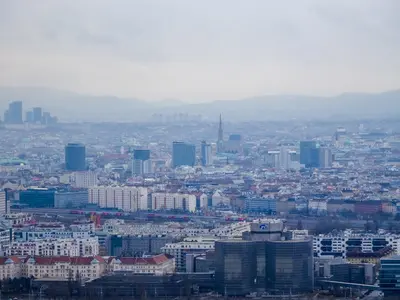 🇦🇹
🇦🇹Vienna
6.3 · GoodVienna in August is a summer masterpiece of imperial grandeur and café culture. While it's pricier than Eastern Europe, savvy backpackers can find decent hostels and street food. Digital nomads get world-class connectivity and a growing community, while luxury travelers are spoiled with palaces, opera, and five-star hotels.
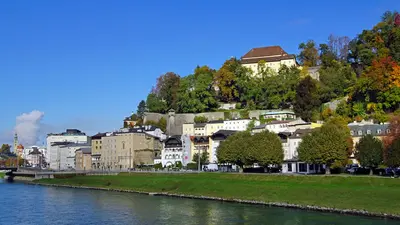 🇦🇹
🇦🇹Salzburg
5.2 · AverageSalzburg in August is a stage for the world-famous Salzburg Festival, with opera, drama, and concerts spilling onto the streets. The baroque Altstadt, fortress, and alpine backdrop create a romantic, musical atmosphere. Costs run high, but free walks through the Mirabell Gardens and along the Salzach River give everyone a piece of the magic.