
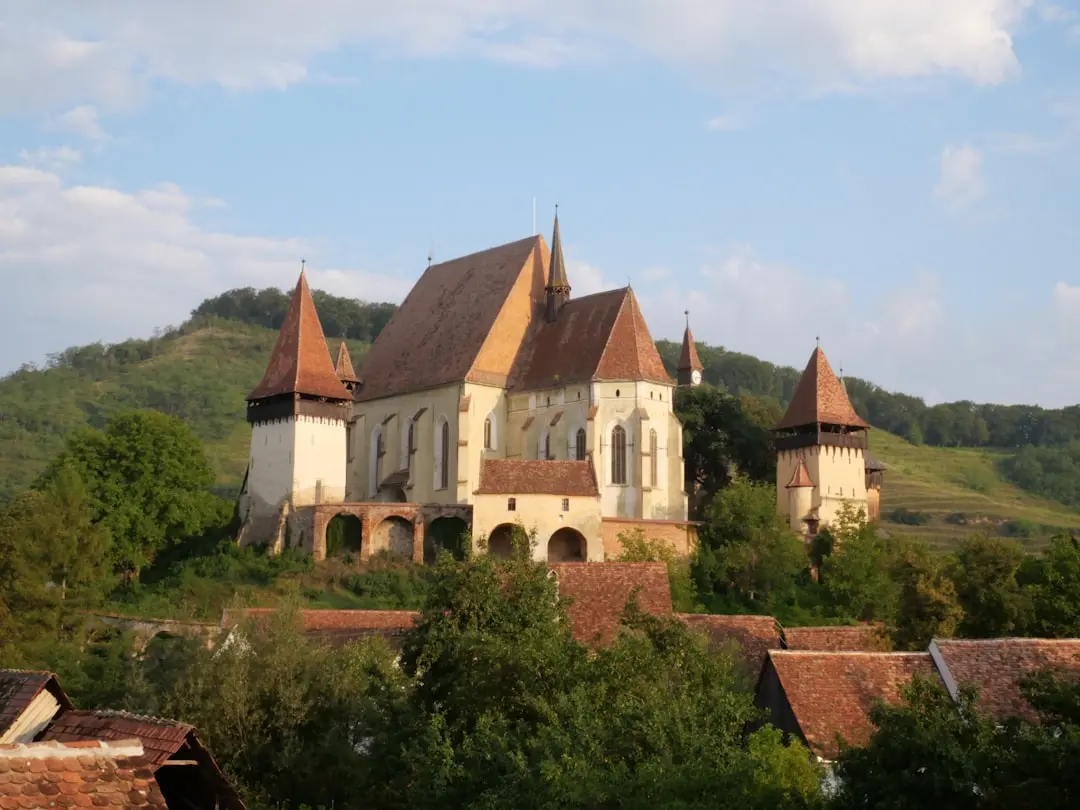
Romania Travel Costs in 2026
Europe3 destinations to explore. Daily costs average $30 with internet speeds around 250 Mbps and a safety rating of 8.0/10.
Bucharest is an underrated gem with jaw-dropping architecture, cheap beer, and a vibrant energy. Summer festivals are winding down, but the George Enescu Festival starts in September, filling the city with classical music. Expect to spend just $25 a day as a backpacker, or live like royalty for a fraction of Western prices.
Bucharest is an underrated gem with jaw-dropping architecture, cheap beer, and a vibrant energy. Summer festivals are winding down, but the George Enescu Festival starts in September, filling the city with classical music. Expect to spend just $25 a day as a backpacker, or live like royalty for a fraction of Western prices.
Romania Travel Costs at a Glance
- Romania currently has 3 indexed destination pages on this site.
- Average daily cost for backpacker travel is about $30, with an average score of 7.5/10.
- Top-rated city is Bucharest and the most affordable option is Bucharest.
- Average fixed internet speed is 250 Mbps and safety is 8.0/10 based on current dataset values.
Is Romania Expensive?
Is Romania expensive? No, and for most travellers it is one of Europe's best-value destinations. The average backpacker spends $30 a day, which equals $900 a month; digital nomads get by on $62 a day, or $1,860 monthly, and even the luxury average of $217 a day is far below Paris or London. The key is the Romanian leu: with an exchange rate of roughly 5 lei to the dollar, prices for meals, hostel beds and public transport stay low while quality remains high.
What drives this? Romania has one of the lowest wage levels in the EU, so labour costs keep restaurant tabs and taxi fares modest. Tourist infrastructure outside the main cities is light, so you are not paying resort premiums, and the country is not yet on the mass-tourism circuit. Flights from Western Europe are cheap but seasonal; book ahead. The result is that the cheapest city, Bucharest, costs only $25 a day for a backpacker, while Sibiu — the most expensive — is $35.
How Much Does It Cost to Travel in Romania?
Within Romania, prices vary by size of city and tourist pressure. Bucharest is the cheapest destination, costing $25 a day for backpackers, while Sibiu is the most expensive at $35 a day. The gap comes down to scale: Bucharest’s huge hostel supply keeps beds at $8-12 a night, while Sibiu’s medieval centre has few budget options and high demand in summer, pushing dorm beds toward $15-18. Brasov, a fortress-town two hours from Bucharest, falls in between and is rated 8/10 for remote workers, meaning solid cafe wi-fi and a larger nomad community.
For a realistic daily budget, plan $25-35 a day on a hostel-and-street-food route, $60-80 a day for a clean private room, bus tickets and restaurant meals, and $200-250 a day for a four-star hotel with dinner out. The digital-nomad average of $62 a day sits neatly in the middle, covering a decent studio apartment or a comfortable guesthouse and frequent cafe stops. Because labour is cheap, you get the most value on services: a three-course meal with wine at a well-regarded Sibiu restaurant costs $15-20, and an intercity bus fare rarely exceeds $10.
Best Time to Visit Romania
The cheapest months to visit Romania are November, January and February, outside holidays, when hostel beds in Bucharest drop below $10 and flights from Western Europe are often half the summer price. The weather is cold — December and February average highs near freezing in the mountains — so you are paying for indoor sightseeing and thermal baths. The real value window is April–June and September–October, when daytime temperatures sit in the high teens to low twenties Celsius, the Transylvanian towns are quieter, and accommodation stays at shoulder-season rates.
Summer, particularly July and August, is peak season in Brasov and Sibiu, with warm weather and crowded old towns; expect to pay 20-30 percent more for beds and restaurants. Winter holidays spike too: December 26 to January 2, plus the February school-break ski period, pushes prices in Poiana Brasov and the Apuseni area to their highest. If you want to see the medieval sites in decent light without the peak price, late May or late September are your best bets. Sibiu’s International Theatre Festival in June and the George Enescu Festival in Bucharest in September draw crowds and push hotel rates up sharply for those weeks.
Getting Around Romania
For the three published destinations, the train is the most practical option. Bucharest to Brasov takes about 2.5 hours on the CFR InterCity rail, with a regular ticket around $12-15; the bus is a bit slower but cheaper at $8-10. Brasov to Sibiu is trickier by train — it takes 3.5 to 4 hours due to the bend through the mountains — while the direct bus does it in 2.5 hours for $10-12. The Bucharest-to-Sibiu leg is best done by bus (5 hours, $15-18) or by flying via a connecting flight through Budapest or Vienna, which rarely makes sense given the time spent in airports.
Driving is a solid option if you want the freedom to stop at fortified churches and peasant guesthouses. A rental car costs $30-40 a day, including insurance, and the 250-kilometre Bucharest–Brasov–Sibiu loop is motorway almost the whole way (A3 and DN1), so you can do all three in a relaxed three-day itinerary. Parking in the medieval centres is tight, so use the edge-of-town lots. Buses are run by companies like autogari.ro aggregator and FlixBus, which sell tickets online; the trains are comfortable in second class but buy first-class upgrades for only a few dollars more on busy weekends.
Visas, Money and Entry Rules for Romania
Romania has been in the Schengen zone since January 2025, so most North American, UK, Australian and New Zealand passport holders can enter visa-free for up to 90 days in any 180-day period. Your passport must be valid for at least three months beyond your planned departure. Some non-EU nationals from Asia and Africa will need a visa; check with the Romanian embassy for your nationality. The currency is the Romanian leu (RON), with about 5 lei to the US dollar. Cards are accepted in almost all hotels, restaurants and shops in Bucharest, Brasov and Sibiu, but carry cash for village markets, small guesthouses and mountain huts.
Tipping is customary in restaurants and for taxi drivers — round up or leave 10%. The biggest trap is the ATM: avoid machines from Euronet or other private operators that offer 'dynamic currency conversion,' which charges you in dollars at a terrible rate. Always choose to be charged in RON and withdraw from bank-branded ATMs (Banca Transilvania, Raiffeisen, BCR) which are widespread. Exchange offices are fine if they display a clear commission sign, but do not change money on the street. Keep a few small-denomination bills for pay toilets at bus stations and for the palace guards who expect a small tip.
All Destinations in Romania
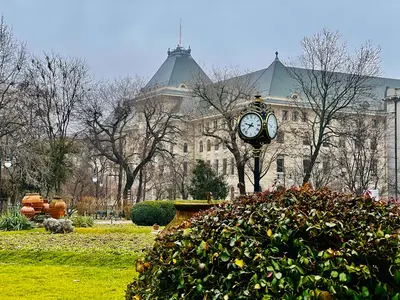 🇷🇴
🇷🇴Bucharest
8.0 · ExcellentBucharest is an underrated gem with jaw-dropping architecture, cheap beer, and a vibrant energy. Summer festivals are winding down, but the George Enescu Festival starts in September, filling the city with classical music. Expect to spend just $25 a day as a backpacker, or live like royalty for a fraction of Western prices.
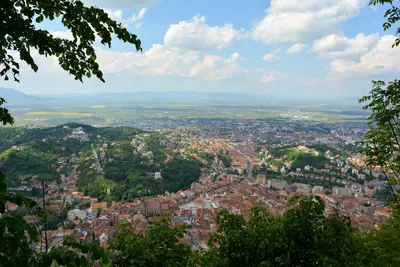 🇷🇴
🇷🇴Brasov
7.2 · GreatBrasov combines medieval splendor with Carpathian adventure at a fraction of Western European prices. August's Golden Stag Music Festival fills the main square with open-air concerts, while fast internet and safe streets make it a hidden gem for backpackers, nomads, and even luxury travelers.
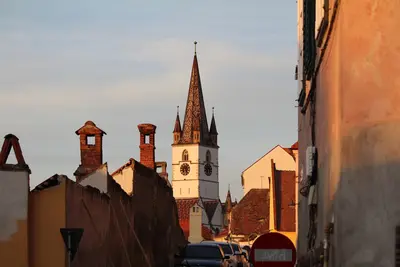 🇷🇴
🇷🇴Sibiu
7.2 · GreatSibiu, Romania's cultural gem, is a charming medieval city with fairy-tale towers and cobbled streets. August brings the lively Sibiu Summer Festival with open-air concerts, while affordable prices and a safe atmosphere make it a hidden European treasure.