
Hamburg Travel Costs in 2026: Backpacker, Nomad & Luxury Budgets
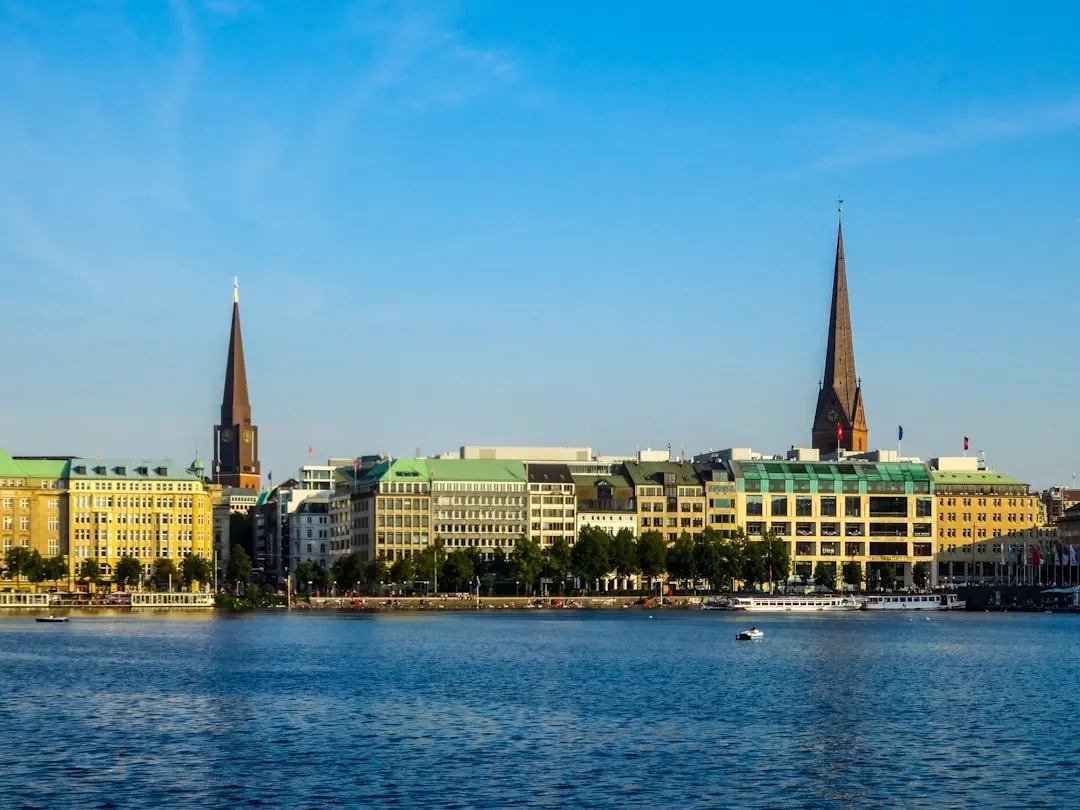
Germany · EuropeHamburg is a vibrant port city that blends maritime history with modern architecture. In August, the Alstervergnügen and MS Dockville festivals fill the city with music, food, and lakeside fun. It's safe, multi-faceted, and offers great value for everything from hostel nights to five-star escapes.
Is Hamburg Expensive? The Short Answer
Hamburg is mid-range. At $45 a day for backpacker travel it costs more than 56% of the 399 destinations we track.
- A short trip of 4 nights costs about $180, excluding flights.
- A week costs about $315; a month is about $1350.
- That works out at $45 a day for backpacker travel.
Living in Hamburg: Backpacker Guide for 2026
Backpacker Hamburg is a different beast from Berlin: grittier, wetter, and full of maritime charm. In August, the city comes alive with the Alstervergnügen fair on the Binnenalster and the MS Dockville festival, so there's a buzzing, outdoorsy energy. The beer is good, the parks are green, and the Elbe river gives the whole city a sprawling, open-air feel.
For cheap sleeps, check out the Generator Hostel on Sternschanze, Superbude in St. Georges, or the classic A&O hostels near the train station. The real budget scene revolves around the Schanzenviertel and Sternschanze, where kebab shops and currywurst stands keep you fed for under €10. Don't miss the Sunday fish market at the Landungsbrücken, where you can fill up on fish sandwiches and live music. For free activities, climb the St. Michaelis tower, wander through the Speicherstadt warehouse district, or do a self-guided stroll along the Elbe and the new HafenCity. A 48-hour Hamburg Card can save you money on ferries and museum entry if you plan to do a lot.
When it comes to neighborhoods, St. Pauli and the Reeperbahn are the heart of budget nightlife, though rooms are scarce. Altona is calmer and more local, and the Schanzenviertel is perfect for people-watching and vintage shops. Even the Altstadt has a few cheap dorm beds, but the big chains dominate there. Stay away from the touristy restaurants right by the Speicherstadt if you want to save cash.
A realistic daily budget is around $45-50: $30 for a hostel bed, $10-12 for food, $3-4 for public transport, and $5-10 for a beer or two. Cooking in the hostel kitchen can push it under $40. Hamburg isn't a 'shoestring paradise', but it's a safe, welcoming city where you get a lot of bang for your euro if you know the tricks. And when the sun finally comes out, you'll find plenty of free beaches along the Elbe for a day of sunbathing.
How Much Does Hamburg Cost? Daily and Monthly Budget
| Travel style | Day | Week | Month |
|---|---|---|---|
🎒BackpackerHostels, street food, public transport | $45/day | $315/week | $1350/month |
💻Digital NomadPrivate room, cafes, coworking spaces | $85/day | $595/week | $2550/month |
✨LuxuryHotels, fine dining, private transfers | $350/day | $2450/week | $10500/month |
Internet Speed in Hamburg for Remote Work
Where to Stay in Hamburg: Best Neighborhoods
Schanzenviertel
$Hip and artistic, this area is packed with street art, vintage stores, and lively bars. Budget travellers and creatives feel right at home, and it's just a short walk from the Reeperbahn's nightlife. The narrow streets have a bohemian charm.
Altona
$A laid-back harbor district with a rich seafaring history, Altona offers an authentic local vibe away from the crowds. Its Fish Market, weekly farmers market, and leafy squares make it great for slow mornings. It's well-connected to the city center and popular with young families.
HafenCity & Altstadt
$$This futuristic harbor quarter is the face of modern Hamburg, with red-brick warehouses contrasting with glass towers. The Elbphilharmonie concert hall is the main draw, and tourists flock here for photos and luxury dining. Prices are high, but the views over the port are unmatched.
Blankenese
$$An exclusive enclave on the banks of the Elbe, Blankenese feels like a Mediterranean village with its steep, winding lanes and white villas. It's a peaceful retreat for those who value privacy and natural beauty. Expect boutique cafes and some of the city's most expensive real estate.
Weather in Hamburg This Week
Pros and Cons of Living in Hamburg
Pros
- +Excellent public transport
- +Safe and walkable city
- +Vibrant nightlife around Reeperbahn
- +Beautiful harbour and Elbe riverside
- +Rich maritime history and museums
- +Plenty of green parks and water activities
- +Good internet infrastructure
- +Great beer and food scene
- +August festivals like Alstervergnügen
- +Gateway to Scandinavia and northern Europe
Cons
- -Rainy and grey weather frequently
- -Accommodation prices higher than Berlin
- -No long-term Schengen visa for nomads
- -Some areas can feel industrial
- -Public transport tickets are pricey
- -Tourist spots get crowded in summer
- -Limited hostel social scene compared to other cities
- -Nightlife can be seedy near the Reeperbahn
- -Language barrier outside tourist areas
- -Cash still needed in many places
Hamburg FAQ: What Travelers Ask Most
Hamburg is generally very safe. Petty crime like pickpocketing can happen in crowded areas such as the Reeperbahn and main station, but violent crime is rare. Stick to well-lit areas at night and keep an eye on your belongings.
May to September offers the mildest temperatures and the most outdoor festivals. August is packed with events like Alstervergnügen and MS Dockville, making it lively but busy. Winter has Christmas markets, but expect rain and cold.
Germany is part of the Schengen area. US, Canadian, Australian, and UK passport holders can visit visa-free for up to 90 days in 180 days. For longer stays, you need a German national visa or residence permit.
Hamburg has excellent broadband, with average fixed line speeds around 100 Mbps and uploads above 40 Mbps. Most hotels, cafes, and coworking spaces provide reliable wifi. The city has great fiber coverage in central districts.
Yes, Hamburg is nomad-friendly with plenty of coworking spaces and cafe options. The main limitation for non-EU citizens is the 90-day Schengen visa-free limit. The infrastructure, safety, and quality of life are high, making it a pleasant place for a seasonal base.
It's decent but not as vibrant as Berlin. There are a handful of good hostels, a lively pub street, and plenty of free outdoor spaces. The crowd is a mix of European holidaymakers and festival-goers, especially in summer.
For backpackers, expect around $45-50 per day for hostel and street food. Digital nomads should budget about $85 per day, including rented apartment, coworking, and meals. Luxury travelers can easily spend $350+ a day on high-end hotels, dining, and activities.
Cities Near Hamburg
The closest destinations across the border, with distance and daily cost
Best Places to Visit in Europe
Top-scoring destinations in the same part of the world.
Quick Facts
- Global Rank
- #196 of 399
- Rank in Germany
- #2 of 4
- Region
- Europe
- Timezone
- Berlin
- Weather
- 12.5°C · Mist
- Backpacker
- $45/day
- Digital Nomad
- $85/day
- Luxury
- $350/day
- Monthly (backpacker)
- $1350
- Download
- 100 Mbps
- Upload
- 40 Mbps
Score by Travel Style
Do You Need a Visa for Hamburg?
Schengen rules apply — most non-EU visitors get 90 days visa-free in 180 days. EU/EEA citizens can live and work freely. For longer stays, apply for a German national visa (such as a freelance or work visa) at your local German embassy.
Is Hamburg Safe?
Hamburg is a very safe city. The main station and Reeperbahn can attract pickpockets, but violent crime is rare. Use standard precautions at night and you'll feel comfortable.