
Copenhagen Travel Costs in 2026: Backpacker, Nomad & Luxury Budgets
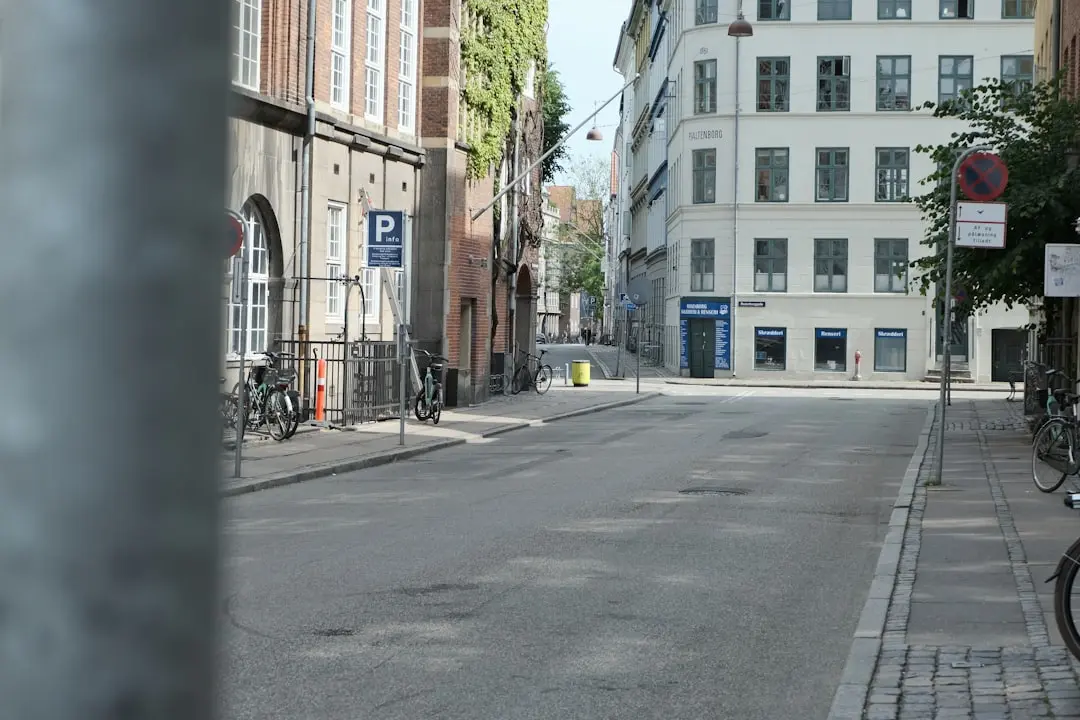
Denmark · EuropeCopenhagen in August is a design-forward dream with Pride week (Aug 21-23) and the Copenhagen Cooking food festival on the horizon. It's pricey for backpackers, but nomads get excellent wifi and high-life quality, and luxury travelers find world-class hotels and Michelin dining. Expect harbor swims, bike lanes, and hygge sunsets.
Is Copenhagen Expensive? The Short Answer
Copenhagen is mid-range. At $50 a day for backpacker travel it costs more than 64% of the 399 destinations we track.
- A short trip of 4 nights costs about $200, excluding flights.
- A week costs about $350; a month is about $1500.
- That works out at $50 a day for backpacker travel.
Living in Copenhagen: Backpacker Guide for 2026
Copenhagen isn't cheap, but this August it shows up with a grin: Pride week turns the streets into a rainbow party (Aug 21-23), and the Copenhagen Cooking festival lets you sample top Nordic bites for under $10. As a backpacker, you'll need to accept that Scandinavia stretches your budget – but you'll get world-class design, harbor swimming, and the safest city you'll ever wander at 2 a.m. Think of it as an investment in jaw-dropping beauty and the ultimate #hygge experience.
Budget stays are surprisingly creative: Steel House (near Central Station) is a former brewery with a cinema and pool for ~$45 a night, while Downtown Hostel is a social hub with free walking tours. Eat like a local – skip restaurant menus and hit shawarma bars in Nørrebro, the Reffen street food market (50+ stalls), and the organic street stalls at Papirøen. Best of all, many attractions are free: the queen's palaces, the botanical gardens, and the famous Superkilen park for a DIY urban hike.
Nørrebro and Vesterbro are your turf: they're edgy, multicultural, and far less touristy than Indre By. Rent a bike (they're free or cheap via city bikes) – Copenhagen is flat and bike lanes everywhere. Stock up on cheap groceries at Lidl and Netto, and buy a 48-hour City Card only if you plan to visit many museums. Do not, whatever you do, hail a taxi.
Your daily budget breaks down like this: hostel dorm $35-45, street food $12-18, bar hops $15-20 (beer is pricey!), and transport (if you bike) $0. That lands you around $50-60/day. Does it hurt? Yes. But you'll leave with memories of sunset swims in the harbor and stories of nights in the Meatpacking District that no cheap flight could ever replicate.
How Much Does Copenhagen Cost? Daily and Monthly Budget
| Travel style | Day | Week | Month |
|---|---|---|---|
🎒BackpackerHostels, street food, public transport | $50/day | $350/week | $1500/month |
💻Digital NomadPrivate room, cafes, coworking spaces | $110/day | $770/week | $3300/month |
✨LuxuryHotels, fine dining, private transfers | $350/day | $2450/week | $10500/month |
Internet Speed in Copenhagen for Remote Work
Where to Stay in Copenhagen: Best Neighborhoods
Indre By (City Center)
$$Historic core with cobblestone streets, Strøget pedestrian shopping, Tivoli Gardens, and most major attractions. Tourist-heavy and pricey, but unmatched for first-timers and luxury stays.
Nørrebro
$Trendy, multicultural, and gritty - home to street art, shawarma shops, and some of the coolest cafés and lakes in the city. A favorite for backpackers and long-term renters.
Vesterbro
$Hip district including the Meatpacking District (Kødbyen), with edgy galleries, late-night clubs, and some of the best hostels. Lively and central.
Christianshavn
$Picturesque canal district filled with boho charm, Christiania's free-town, and posh apartment buildings. Great for a romantic scenic stay.
Østerbro
$$Leafy, residential, and upscale - beloved by families and nomads who want quiet. Has easy access to parks, the waterfront, and the national stadium.
Weather in Copenhagen This Week
Pros and Cons of Living in Copenhagen
Pros
- +Extremely safe city
- +World-class design and architecture
- +Excellent cycling infrastructure (free bikes)
- +Global food scene (Michelin starred)
- +Beautiful harbor and swimming spots
- +Friendly and English-speaking locals
- +Clean and sustainable (greenest city)
- +Easy to get around
- +Tivoli Gardens magical historical amusement park
- +High standard of living
Cons
- -Very expensive (highest cost of living)
- -Dark, cold winters (but we are in August)
- -High taxes on alcohol and dining out
- -Nightlife limited outside weekends
- -Small city, can be explored in a day
- -Tourist crowds in summer (August is peak)
- -Housing shortage, hard to find long-term rentals
- -Limited nightlife for budget backpackers (beer pricey)
- -Weather unpredictable (rain)
- -No dedicated digital nomad visa (90-day limit)
Copenhagen FAQ: What Travelers Ask Most
Copenhagen is among the safest capital cities in the world. Violent crime is rare, but watch for pickpockets in busy areas like Strøget and transport hubs. The biggest hazards are cyclists – always look both ways before crossing!
Summer (June-August) offers warm weather, festivals, and long days, but also crowds. August is lively with Pride and Copenhagen Cooking; May-June is more serene. September is also lovely with fewer tourists. Winters are cool and cozy (hygge), but very short days.
Many non-EU citizens (US, UK, Canada, Australia, Japan, etc.) can visit visa-free for up to 90 days within the Schengen Area. Check the Danish Immigration Service for your passport – if they require a Schengen visa, apply at the Danish embassy well in advance.
Denmark has some of Europe's fastest internet. Most workplaces and homes have fiber-connected speeds around 100-200 Mbps download, and 5G mobile coverage is excellent. Many cafés and coworking spaces offer free reliable wifi.
Yes, the infrastructure is superb – fast internet, plenty of coworking spaces, English-speaking community. However, there is no dedicated digital nomad visa, so you'll need to stay within the 90-day Schengen tourist limit. Many nomads combine it with trips to Malmö (Sweden) to extend their stay.
Copenhagen has a decent backpacker scene with a few social hostels, like Steel House and Downtown Hostel, but it's pricey and less sprawling than Berlin or SEA. The community tends to be older and more design-conscious; the beer costs more, but the hugs are free.
For backpackers, expect $50-60/day (hostel, street food, bike rental). Digital nomads typically spend $100-130/day on rent, coworking, food, and fun. Luxury travelers can easily spend $350+ a day on a fine hotel, gourmet meals, and exclusive experiences – it's one of the most expensive cities in Europe.
Cities Near Copenhagen
The closest destinations across the border, with distance and daily cost
Best Places to Visit in Europe
Top-scoring destinations in the same part of the world.
Quick Facts
- Global Rank
- #296 of 399
- Rank in Denmark
- #2 of 4
- Region
- Europe
- Timezone
- Copenhagen
- Weather
- 11.3°C · Sunny
- Backpacker
- $50/day
- Digital Nomad
- $110/day
- Luxury
- $350/day
- Monthly (backpacker)
- $1500
- Download
- 180 Mbps
- Upload
- 100 Mbps
Score by Travel Style
Do You Need a Visa for Copenhagen?
For many nationalities (including US, UK, EU, Canada, Australia), no visa is needed for stays up to 90 days within the Schengen Area. Check the Danish Immigration Service for your specific passport.
Is Copenhagen Safe?
Copenhagen is one of the safest capitals in Europe. Violent crime is rare; watch for pickpockets in crowded tourist areas and keep your bike locked. Trust your instincts, but even solo night walks feel secure.