
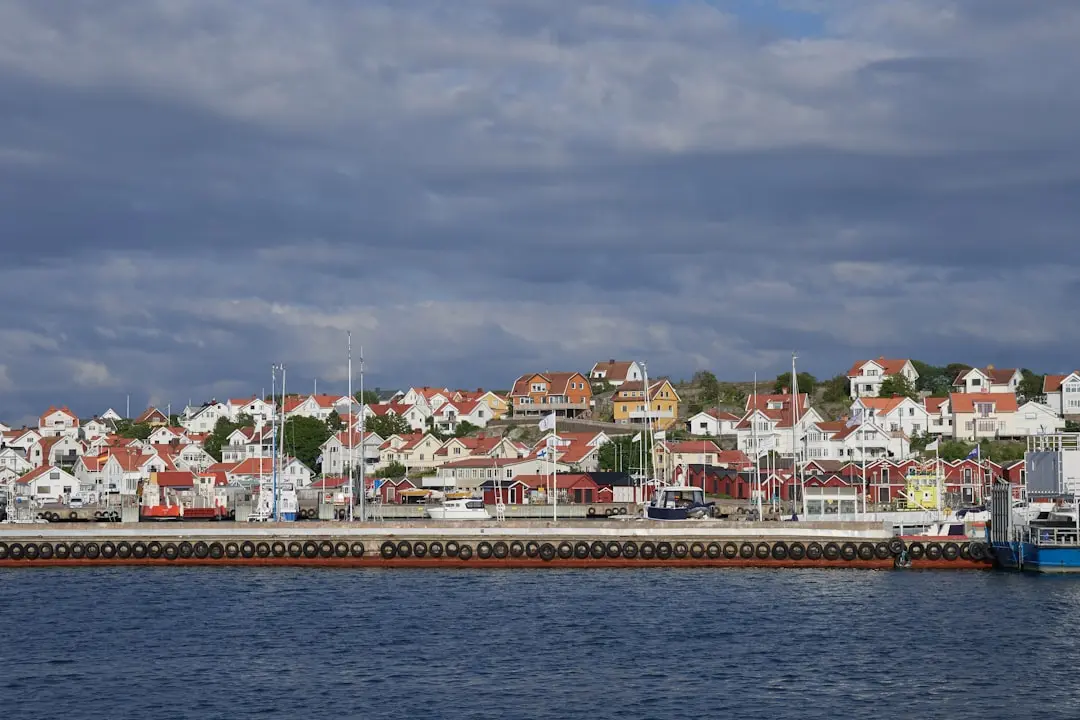
Gothenburg Travel Costs in 2026: Backpacker, Nomad & Luxury Budgets
Sweden · EuropeUnderrated Swedish port with world-class festivals (Way Out West, Kulturkalas), a pristine archipelago, and safety in spades. Budget travellers can manage with careful planning, while nomads and luxury seekers get a clean, design-forward city with strong connectivity and a taste of Nordic harmony.
Is Gothenburg Expensive? The Short Answer
Gothenburg is mid-range. At $50 a day for backpacker travel it costs more than 64% of the 399 destinations we track.
- A short trip of 4 nights costs about $200, excluding flights.
- A week costs about $350; a month is about $1500.
- That works out at $50 a day for backpacker travel.
Living in Gothenburg: Backpacker Guide for 2026
Gothenburg is a charming Swedish port city with a youthful vibe from two large universities. As a backpacker in August, you're catching the tail end of Gothenburg's Kulturkalas and the famous Way Out West festival, so the city is buzzing with concerts, street events, and budget-friendly gatherings. Though Scandinavia is pricey, Gothenburg rewards you with the beautiful archipelago, lush parks, and scenic canals—if you know how to stretch your krona.
For cheap sleeps, check hostels in the center, like Slottsskogen Hostel or Limone; budget options are pricier than Southeast Asia, but dorms have great amenities. For food, grab the classic Swedish 'dagens lunch' for about 90 SEK (around $9) at small neighborhood eateries, or hit the food trucks at Ringön. Almost every major museum, like the Gothenburg Museum of Art, has free entry on certain days, and the entire King's Park is yours to picnic in. The biggest money-move is the 'Gothenburg City Card' which covers transit and many attractions if you plan six or more visits.
Stay in Haga for its cobblestone streets, tiny wooden houses, and budget cafés, or Linnéstaden for student life and cheap eats. A bed in the city center will run about 300–400 SEK a night, while the 'north side' or Majorna are slightly cheaper and minutes from the tram. Daily costs: a hostel bed ($30–40), food ($15–20), and tram tickets ($5–10) easily fit between $50–60, but with supermarkets (Lidl, Willys) you can drop to $40.
Finally, use the time-limited 'Sommerpass' public transport card, ride the free Archipelago boat around the islands, and always eat the 'räksmörgås' shrimp sandwich from a market stall—it's a Swedish backpacker rite. Yes, Gothenburg isn't as cheap as Chiang Mai, but with its festivals, nature, and friendly locals, the krona goes a lot further than you'd think.
How Much Does Gothenburg Cost? Daily and Monthly Budget
| Travel style | Day | Week | Month |
|---|---|---|---|
🎒BackpackerHostels, street food, public transport | $50/day | $350/week | $1500/month |
💻Digital NomadPrivate room, cafes, coworking spaces | $70/day | $490/week | $2100/month |
✨LuxuryHotels, fine dining, private transfers | $300/day | $2100/week | $9000/month |
Internet Speed in Gothenburg for Remote Work
Where to Stay in Gothenburg: Best Neighborhoods
Haga
$A historic district with cobblestone streets and wooden houses, filled with cozy cafés, boutique shops, and a relaxed, bohemian feel. It's popular with budget travellers and families looking for charm.
Linnéstaden
$A lively student area with a mix of young professionals and creatives, known for its low-key bars, ethnic restaurants, and leafy parks. The most affordable central option for long stays.
Lorensberg
$$The upscale cultural heart of Gothenburg, home to Götaplatsen Square, the Art Museum, and the Concert Hall. You'll find high-end hotels, fine dining, and elegant tree-lined streets.
Majorna
$A hipster west-side neighborhood with a strong local identity, vintage shops, and cosy 'fikas'. It's within easy tram distance to the city and offers affordable accommodation with a laid-back vibe.
Weather in Gothenburg This Week
Pros and Cons of Living in Gothenburg
Pros
- +Excellent public transport with trams and buses
- +Very safe and clean city
- +Beautiful archipelago and nature escapes
- +Friendly and English-speaking locals
- +More affordable than Stockholm or Copenhagen
- +Great festivals in August (Way Out West, Culture Festival)
- +Strong tech and startup scene
- +High internet speeds and good coworking spaces
- +Compact city, easy to explore on foot or by bike
- +Green parks and waterfront spaces
Cons
- -Winters are dark, cold, and rainy
- -Alcohol is expensive and sold only at Systembolaget
- -Accommodation is pricey compared to southern Europe
- -Nightlife is limited outside major events
- -Far from other European hubs
- -Restaurant food can be expensive
- -Some neighborhoods feel quiet in summer as locals vacate
- -Backpacker social scene is smaller than in hotspots
- -Limited direct international flights (though growing)
- -High cost of living if you stick to tourist areas
Gothenburg FAQ: What Travelers Ask Most
Yes, Gothenburg is considered one of the safest cities in Europe, with low crime rates and little street violence. Petty theft and pickpocketing occasionally happen in crowded tourist areas like Nordstan, so keep your valuables close during festivals. The city is also very calm at night in residential areas.
The best time is May to September, with the summer months offering warm weather and long days. August is especially great because of Way Out West and the Gothenburg Culture Festival, but expect moderate rain. Winter months are dark and cold, though Christmas markets can be charming.
For short tourist stays (up to 90 days within a 180-day period), citizens of many countries, including the US, UK, Canada, Australia, Japan, and EU countries, do not need a visa. Sweden is part of the Schengen area, so the rules apply across member states. For stays beyond 90 days, you will need a national visa or permit. ETIAS will soon be required for visa-exempt travellers – always check the latest requirements before planning.
Internet speeds are excellent, with average fiber connections exceeding 100 Mbps download and 50 Mbps upload. Most cafes and public libraries offer free Wi-Fi, and coworking spaces have reliable, high-speed connections. Sweden generally ranks among the top countries for internet speed globally.
Yes, Gothenburg is a viable base for remote work due to its modern Internet infrastructure and several good coworking spaces. You can stay up to 90 days visa-free (if your nationality allows), and Sweden now offers a digital nomad permit for longer stays under certain income requirements. The main tradeoff is the slower pace of the nomad community compared to Southern European cities.
It's more laid-back than in classic backpacking hubs, but you'll find a few friendly hostels, particularly near the main station and in Haga. The city is compact and easy to navigate, and the festivals in August bring a good crowd. Meeting travelers is easier if you stay in social hostels or join pub crawls.
Daily costs vary greatly by style: a budget backpacker can manage on $50–60, a digital nomad will likely spend around $70–90 including accommodations, and luxury travelers can easily spend $300 or more per day. Prices are higher than in southern Europe but lower than in Stockholm. Plan for extra spending during festival season.
Cities Near Gothenburg
The closest destinations across the border, with distance and daily cost
Best Places to Visit in Europe
Top-scoring destinations in the same part of the world.
Quick Facts
- Global Rank
- #207 of 399
- Rank in Sweden
- #1 of 7
- Region
- Europe
- Timezone
- Stockholm
- Weather
- 11.8°C · Overcast
- Backpacker
- $50/day
- Digital Nomad
- $70/day
- Luxury
- $300/day
- Monthly (backpacker)
- $1500
- Download
- 120 Mbps
- Upload
- 50 Mbps
Score by Travel Style
Do You Need a Visa for Gothenburg?
Most non-EU visitors (US, UK, Canada, Australia, etc.) can enter Sweden visa-free for up to 90 days within 180 days. Sweden is part of the Schengen Area, so the rules are shared. For longer stays, apply for a national visa or a digital nomad permit; ETIAS will be required for visa-exempt travellers once fully rolled out – always confirm before departing.
Is Gothenburg Safe?
Gothenburg is extremely safe, with low crime rates and little street violence. Pickpocketing can occur in crowded festivals or central shopping streets like Nordstan, so use normal precautions. Solo travelers feel comfortable day and night.