
Oslo Travel Costs in 2026: Backpacker, Nomad & Luxury Budgets
Norway · EuropeOslo is a pricey but captivating Nordic capital, surrounded by fjords and forests. In August, the Øya Festival takes over the city with live music, while the long daylight hours are perfect for outdoor adventures. Budget travelers will feel the pinch, but the city's safety, design, and natural beauty make it a memorable (if expensive) stop.
Is Oslo Expensive? The Short Answer
Yes — Oslo is expensive. At $80 a day for backpacker travel it costs more than 94% of the 399 destinations we track.
- A short trip of 4 nights costs about $320, excluding flights.
- A week costs about $560; a month is about $2400.
- That works out at $80 a day for backpacker travel.
Living in Oslo: Backpacker Guide for 2026
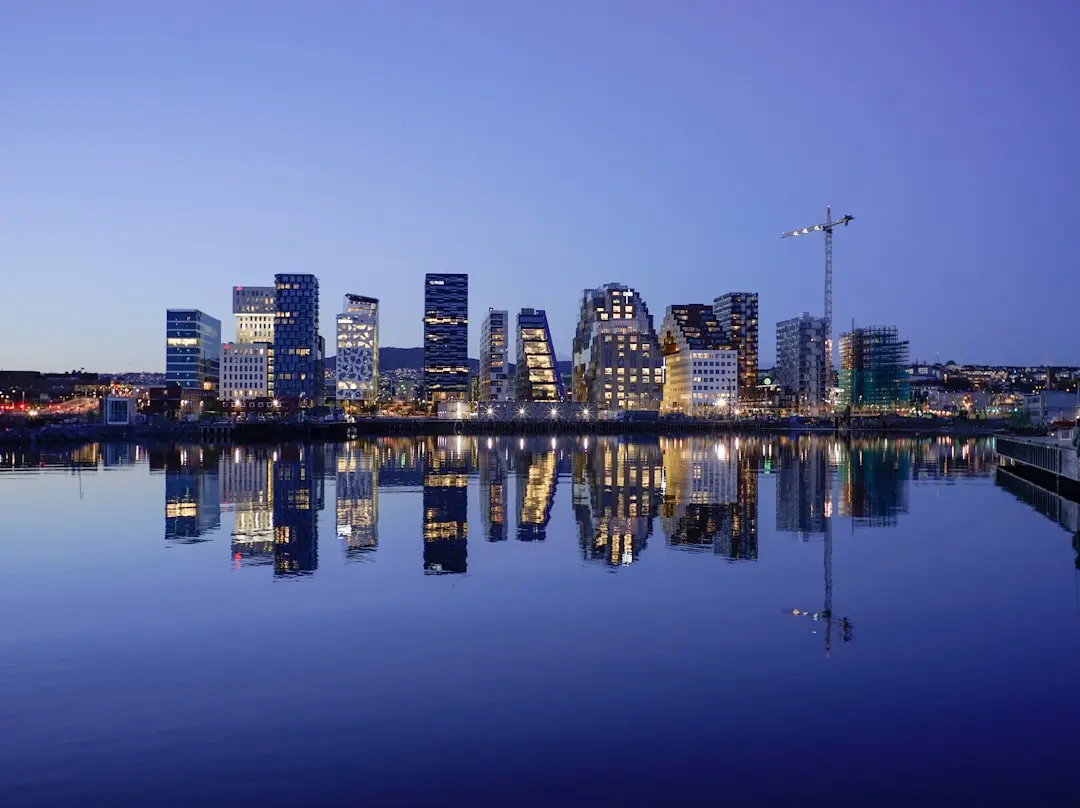
Oslo is one of Europe's priciest capitals, but that doesn't mean backpackers should skip it. With a stunning waterfront, modern architecture, and easy access to fjords, the city offers a unique Nordic experience—if you're smart with your kroner. The vibe is relaxed and safe, with locals who speak English fluently and a laid-back Scandinavian cool that makes wandering the streets a pleasure. Even as a budget traveler, you'll find public squares, harbor walks, and beautiful parks that cost nothing to enjoy.
For lodging, look at Anker Hostel (dorms from $40-60) or the more out-of-the-way Oslo Hostel Rønningen, which sits on a small island and doubles as a cheap camping spot. Groceries at REMA 1000, Kiwi, or Extra are your lifeline: make your own meals in the hostel kitchen. Street food, like falafel wraps in Torggata gate, is the closest thing to a bargain. Free sights are the real prize: climb to the top of the Oslo Opera House for a city view, stroll through Vigeland Sculpture Park's 200+ naked statues, and hike the trails of Ekebergparken for panoramic photos.
Base yourself in Grünerløkka, the artsy district full of vintage shops, colorful houses, and inexpensive kebab joints. Sentrum works for convenience, but you'll pay more for accommodation. Avoid Frogner if you're on a tight budget—it's posh and pricey.
Realistically, you'll spend $75-100 per day if you cook and stick to free activities. Buy an Oslo Pass for unlimited transit and free museum entry, and take advantage of free walking tours. Avoid taxis; trams and buses are fine. It's possible to have an amazing time here without blowing your budget—just be prepared to watch every krone. The late summer sun makes evenings gloriously long, so pack a picnic and enjoy the city like a local.
How Much Does Oslo Cost? Daily and Monthly Budget
| Travel style | Day | Week | Month |
|---|---|---|---|
🎒BackpackerHostels, street food, public transport | $80/day | $560/week | $2400/month |
💻Digital NomadPrivate room, cafes, coworking spaces | $120/day | $840/week | $3600/month |
✨LuxuryHotels, fine dining, private transfers | $450/day | $3150/week | $13500/month |
Internet Speed in Oslo for Remote Work
Where to Stay in Oslo: Best Neighborhoods
Grünerløkka
$The artsy, bohemian district with colorful wooden houses, trendy cafes, vintage shops, and a lively nightlife scene. It's a favorite among young locals and budget travelers, offering the best street food and a relaxed atmosphere.
Sentrum
$$Oslo's city center, dominated by the Royal Palace, Karl Johans Gate, and the National Theater. It's convenient for sightseeing, with many major attractions within walking distance, but accommodation and dining tend to be pricey.
Frogner
$$An upscale residential area known for its elegant 19th-century buildings, the iconic Vigeland Sculpture Park, and a quiet, refined atmosphere. It's the best base for luxury travelers seeking a serene environment near the city center.
Weather in Oslo This Week
Pros and Cons of Living in Oslo
Pros
- +Extremely safe city with low crime rate
- +Excellent public transportation network
- +High-quality internet in all areas
- +Breathtaking natural scenery and fjords
- +World-class museums like the Munch Museum
- +English widely spoken
- +Clean and well-maintained streets
- +Great for outdoor activities like hiking and boating
- +Scandinavian design and architecture
- +Free attractions like Vigeland Sculpture Park
Cons
- -Very high cost of living
- -Limited nightlife compared to other European capitals
- -Cold and dark winters
- -Expensive alcohol and dining out
- -Small city with limited shopping variety
- -Public transport costs add up
- -Summer is short and peak prices
- -Limited backpacker infrastructure
- -Can feel quiet and reserved for social travelers
- -Lack of cheap accommodation
Oslo FAQ: What Travelers Ask Most
Yes, Oslo is extremely safe. Violent crime is rare and you can walk around at night with confidence. As with any big city, be cautious about pickpockets in crowded tourist areas and the central station.
Summer (June to August) is ideal for warm weather, long days, and festivals like the Øya music festival in August. Winter offers sledding and a charming Christmas market, but it's cold and dark. Spring and autumn are good for fewer crowds and lower prices.
Norway is part of the Schengen Area, so citizens of many non-EU countries, including the US, UK, Canada, and Australia, can enter without a visa for up to 90 days. Always check the latest requirements with the Norwegian Directorate of Immigration.
Oslo has excellent internet infrastructure with widespread fiber networks. Average download speeds are above 100 Mbps, and upload speeds are also high. Cafés and coworking spaces offer reliable wifi, making it a great city for remote work.
Yes, Norway is very digital-nomad-friendly in terms of internet and infrastructure. However, the high cost of living may be a deterrent. There's no specific remote work visa for short stays; you can work while on a tourist visa for up to 90 days, but always check the regulations.
Oslo is not a traditional backpacker hub due to its high costs. There are a few hostels, but they're expensive by international standards (around $50 for a dorm). The social scene is more limited than in cities like Berlin or Prague, but you can still meet travelers at hostels and free walking tours.
Backpackers should expect to spend $80–100 per day with a hostel, groceries, and free attractions. Digital nomads need about $100–150 per day for rent and expenses. Luxury travelers can easily spend $400–500 per day on premium hotels and fine dining. Prices are highest in summer.
Cities Near Oslo
The closest destinations across the border, with distance and daily cost
Best Places to Visit in Europe
Top-scoring destinations in the same part of the world.
Quick Facts
- Global Rank
- #395 of 399
- Rank in Norway
- #14 of 14
- Region
- Europe
- Timezone
- Oslo
- Weather
- 4.5°C · Overcast
- Backpacker
- $80/day
- Digital Nomad
- $120/day
- Luxury
- $450/day
- Monthly (backpacker)
- $2400
- Download
- 100 Mbps
- Upload
- 80 Mbps
Score by Travel Style
Do You Need a Visa for Oslo?
Norway is part of the Schengen Area. Citizens of the US, UK, Canada, Australia, and many other countries can stay up to 90 days in a 180-day period without a visa. For longer stays, you'll need to apply for a residence permit. Check with the Norwegian Directorate of Immigration (UDI) for specifics.
Is Oslo Safe?
Oslo is extremely safe, even by European standards. Violent crime is rare, and solo travelers can walk around at night without fear. Pickpocketing happens occasionally near the central station, so keep an eye on your belongings.