
Trondheim Travel Costs in 2026: Backpacker, Nomad & Luxury Budgets
Norway · EuropeTrondheim, Norway's tech and student hub, offers a unique blend of history and innovation. In August, the vibrant St. Olav Festival and Mela multicultural festival fill the streets with music and food. While expensive, this waterfront city rewards travelers with stunning fjords, the majestic Nidaros Cathedral, and a warm welcome.
Is Trondheim Expensive? The Short Answer
Yes — Trondheim is expensive. At $60 a day for backpacker travel it costs more than 77% of the 399 destinations we track.
- A short trip of 4 nights costs about $240, excluding flights.
- A week costs about $420; a month is about $1800.
- That works out at $60 a day for backpacker travel.
Living in Trondheim: Backpacker Guide for 2026
Trondheim may not be the cheapest stop on the Scandinavian route, but it offers an authentic slice of Norway that budget travelers shouldn't skip. As a vibrant university city, it bustles with student life, and in August the streets come alive with the St. Olav Festival's concerts, parades, and cultural events—many of which are free. The city's compact size means you can explore most attractions on foot, making it perfect for travelers who love to wander.
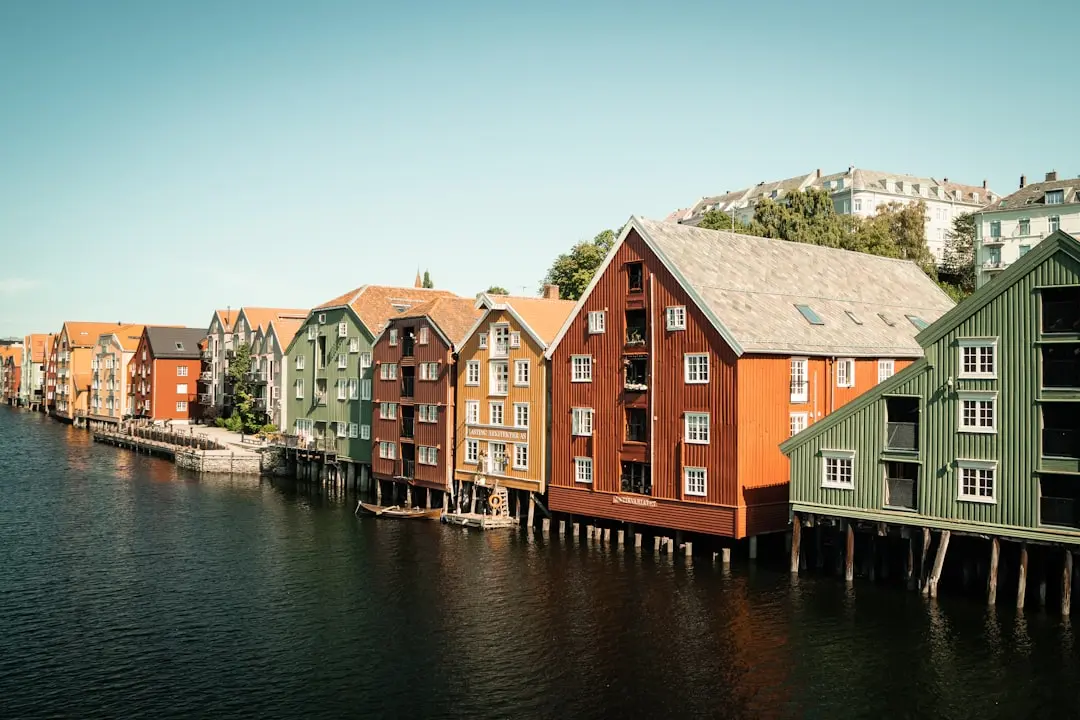
For a place to crash, Trondheim Sentral Hostel is the social hub, with dorms from around 350 NOK ($35) and a lively common kitchen where you can swap stories with travelers and students. Budget-friendly meals come from grabbing groceries at Rema 1000 or Kiwi, or hitting the Wednesday market stalls for local cheese and smoked salmon. Free highlights include climbing the hill to Kristiansten Fortress for panoramic views, walking the old bridge to Bakklandet's colorful wooden houses, and simply enjoying the riverside—all without spending a kroner.
To save money, skip downtown hotel restaurants and instead pack a picnic to eat at Nidaros Cathedral's lawn. Join the students at NTNU's cafeteria during the week, where anyone can grab a hot meal for under 80 NOK ($8). Stay in neighborhoods like Lademoen or Moholt, where student-run accommodations and guesthouses offer cheaper beds, though you'll take a short bus ride into the center.
Your daily budget will realistically land at 600-700 NOK ($60-70): about $35 for a hostel bed, $20-25 for food if you cook, $5 for transit, and $5 for a museum or beer. Use the student discount at Anno Museum on Thursdays, and hit the Free Walking Tour to get the lay of the land. Yes, Norway is expensive, but with a little creativity Trondheim gives you waterfalls, fjord-swimming, and Viking history that money can't buy elsewhere—just be kind to your wallet while you soak it all in.
How Much Does Trondheim Cost? Daily and Monthly Budget
| Travel style | Day | Week | Month |
|---|---|---|---|
🎒BackpackerHostels, street food, public transport | $60/day | $420/week | $1800/month |
💻Digital NomadPrivate room, cafes, coworking spaces | $90/day | $630/week | $2700/month |
✨LuxuryHotels, fine dining, private transfers | $400/day | $2800/week | $12000/month |
Internet Speed in Trondheim for Remote Work
Where to Stay in Trondheim: Best Neighborhoods
Midtbyen
$$The historic city center, home to Nidaros Cathedral, cobblestone streets, and a lively mix of shops, restaurants, and nightlife. It's the most expensive area, perfect for first-timers wanting proximity to landmarks and a vibrant atmosphere.
Bakklandet
$A charming old quarter with colorful wooden houses, riverside cafes, and a bohemian vibe. Popular with travelers and locals alike, it offers a picturesque, relaxed atmosphere and is more reasonably priced than Midtbyen for nightly stays.
Solsiden
$$A modern waterfront district with sleek apartments, bars, and restaurants along the harbor. It's a hub for nightlife and socializing, with higher price tags but stunning sea views and a contemporary Scandinavian feel.
Lademoen
$An up-and-coming, multicultural neighborhood with street art, diverse eateries, and a more affordable housing market. It's slightly removed from the center but well-connected by bus, appealing to budget-conscious travelers and students.
Weather in Trondheim This Week
Pros and Cons of Living in Trondheim
Pros
- +Extremely safe city with low crime rates
- +Picturesque wooden architecture and historic charm
- +Nidaros Cathedral and rich Viking heritage
- +Surrounded by stunning fjords and outdoor activities
- +Youthful energy from a large student population
- +Excellent public transport system and walkable center
- +Very fast and reliable internet connectivity
- +Unique festivals like St. Olav and Mela in August
- +Nearly everyone speaks English fluently
- +Northern Lights visible in the winter months
Cons
- -Very high cost of living and accommodation
- -Exorbitant prices for alcohol and dining out
- -Cold, rainy, and dark for most of the year
- -Limited nightlife compared to larger Nordic capitals
- -Remote location, far from major European hubs
- -Short daylight hours in winter (only 4-5 hours)
- -Scarce budget street food options
- -Some student-heavy areas can be noisy at night
- -Luxury scene is limited and not world-renowned
- -Summer can be unexpectedly chilly and wet
Trondheim FAQ: What Travelers Ask Most
Trondheim is one of the safest cities in the world. Violent crime is extremely rare, and the police are efficient and helpful. Petty theft can happen in touristy spots, so keep an eye on your belongings in crowded areas like the train station or during festivals.
The best time is from June to August, when temperatures are mild (15-25°C), days are long, and outdoor festivals like St. Olav and Mela fill the streets. For Northern Lights, visit from late September to March, but be prepared for cold and dark conditions.
If you're a passport holder from the US, UK, Canada, Australia, EU, and many other countries, you can stay visa-free in the Schengen Area for up to 90 days in any 180-day period. Other nationalities should check with the Norwegian Directorate of Immigration (UDI).
Trondheim has excellent internet infrastructure, with fiber connections offering speeds of 100-200 Mbps and often higher. Public Wi-Fi is common in cafes, libraries, and coworking spaces, making it a reliable place for remote work.
Yes, technically you can work remotely, but there's no dedicated digital nomad visa. As a tourist, you can stay up to 90 days, which is plenty for a short stint. For longer stays, you'd need a residence permit, which typically requires employment with a Norwegian company or study.
The backpacker scene is small but friendly, centered around a few hostels like Trondheim Sentral Hostel. The city is more expensive than other European destinations, so budget travelers often cook their own meals and rely on free walking tours. You'll meet plenty of students and travelers in cafes and Airbnb meetups.
On a tight budget, expect to spend around $60-70 per day for a hostel, groceries, and transit. As a digital nomad, budget $85-100 daily for a one-bedroom apartment split, coworking, and meals. Luxury travelers should plan for $400+ per day for premium hotels and fine dining.
Cities Near Trondheim
The closest destinations across the border, with distance and daily cost
Best Places to Visit in the Arctic and Far North
Top-scoring destinations in the same part of the world.
Quick Facts
- Global Rank
- #374 of 399
- Rank in Norway
- #6 of 14
- Region
- Europe
- Timezone
- Oslo
- Weather
- 9.1°C · Patchy rain nearby
- Backpacker
- $60/day
- Digital Nomad
- $90/day
- Luxury
- $400/day
- Monthly (backpacker)
- $1800
- Download
- 150 Mbps
- Upload
- 75 Mbps
Score by Travel Style
Do You Need a Visa for Trondheim?
Norway is part of the Schengen Area, allowing visa-free stays up to 90 days within 180 days for many nationalities, including US, UK, Canada, Australia, and EU citizens. For longer stays, you'll need a residence permit, but tourists can also combine a visit with neighboring countries.
Is Trondheim Safe?
Trondheim is extremely safe with very low crime, even at night. Pickpocketing and petty theft are rare, and solo travelers can confidently explore the city and nearby nature trails. Use normal common sense, especially around the central station after midnight.