Sweden Travel Costs in 2026
Europe7 destinations to explore. Daily costs average $58 with internet speeds around 99 Mbps and a safety rating of 9.1/10.
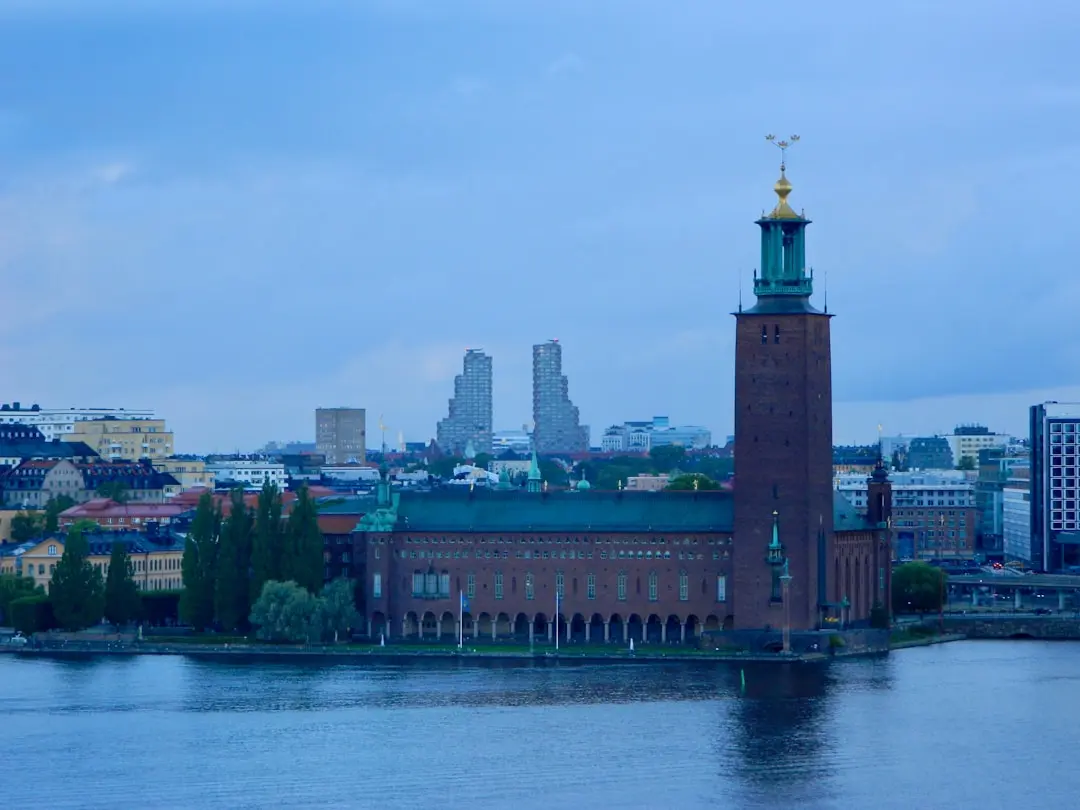
Underrated Swedish port with world-class festivals (Way Out West, Kulturkalas), a pristine archipelago, and safety in spades. Budget travellers can manage with careful planning, while nomads and luxury seekers get a clean, design-forward city with strong connectivity and a taste of Nordic harmony.
Underrated Swedish port with world-class festivals (Way Out West, Kulturkalas), a pristine archipelago, and safety in spades. Budget travellers can manage with careful planning, while nomads and luxury seekers get a clean, design-forward city with strong connectivity and a taste of Nordic harmony.
Sweden Travel Costs at a Glance
- Sweden currently has 7 indexed destination pages on this site.
- Average daily cost for backpacker travel is about $58, with an average score of 4.6/10.
- Top-rated city is Gothenburg and the most affordable option is Gothenburg.
- Average fixed internet speed is 99 Mbps and safety is 9.1/10 based on current dataset values.
Is Sweden Expensive?
Sweden is expensive - for most visitors, it will be the priciest country in Scandinavia, if not Europe. The daily averages on this site - $58 for backpackers, $88 for digital nomads, and $313 for luxury - confirm that. What drives the cost? High wages, high taxes, and the Swedish krona, which has stayed strong against the dollar and euro. Sweden imports much of its fresh produce and nearly all of its alcohol, so food and drink markups are steep. Labor is scarce and well-paid, so service, construction, and logistics all cost more. In a typical hostel, a dorm bed runs $30-40 in cities, and a simple meal at a casual restaurant is $15-20. That adds up to the $58/day backpacker figure quickly.
What you get for that money is genuine value: a safety score of 9.1/10, reliable public transport, clean streets, and, especially for digital nomads, a robust 99 Mbps average internet connection. The digital nomad figure of $88/day reflects private rooms and co-working spaces, which are pricier than in southern Europe. Luxury travellers at $313/day can expect upscale hotels, fine dining, and private tours - but again, that cost is driven by the same high wage and tax structure. There is no real 'cheap Sweden', but there is also almost nowhere where you're at risk of losing money to scams or overcharging.
How Much Does It Cost to Travel in Sweden?
Sweden's costs vary sharply by region. The cheapest destination this site covers is Gothenburg, where a backpacker can get by on $50/day. The most expensive is Kiruna, at $75/day - a 50% jump. Gothenburg has a large student population, a glut of hostels, and fierce competition among budget hotels, which keeps dorm beds near $25. Kiruna, in the far north, has few beds, high demand for aurora tours and icehotel stays, and everything (food, transport, even basics) must be trucked or flown in. That remoteness is also why Stockholm, Malmö, Uppsala, Visby, and Lappland fall between these two extremes, with the national average at $58/day.
For a realistic budget trip, plan on $50-75 per day depending on your route: Gothenburg is the value end, Kiruna the premium end. If you're a mid-range traveller - the sort who wants a private room, reliable Wi-Fi, and a sit-down meal - the digital nomad figure of $88/day is a solid baseline; in Stockholm or Kiruna you'll likely hit $100-120. For comfort (luxury hotels, guided excursions, fine dining), the site's $313/day average is a fair benchmark, and in Kiruna during peak aurora season you may exceed that. The rule of thumb: the farther north you go, the more you pay - for almost everything.
Best Time to Visit Sweden
The cheapest time to visit Sweden is May or September, when the weather is pleasant - 10-18°C, mostly dry - but the crowds and prices haven't yet peaked. In June and July, Stockholm's hostels fill quickly and dorm beds jump to $35-45, while Gothenburg and Visby follow suit. If you want the midnight sun or the northern lights, you're locked into pricier windows: Kiruna and Lappland charge premium rates from September through March, with December and January the most expensive due to Christmas markets and aurora-chasing demand. Snow covers the far north from November to April, but February and March often bring clearer skies for aurora viewing.
The single biggest price spike is Midsummer, the weekend around June 19-21, when hotels in Stockholm and Gothenburg often double their rates and hostels sell out. Christmas markets in Stockholm (late November through December) similarly push up accommodation. For the best balance of cost and daylight, plan for the shoulder months. May gives you long evenings (sunset after 9 p.m.) and no need for winter gear; September offers autumn colours and a last chance to see the lights before the deep freeze. October and April are the true off-season, with low prices but grey skies, lingering snow, and many attractions on reduced hours.
Getting Around Sweden
Sweden is a long country, and getting between its seven published destinations can eat a big chunk of your budget if you're not careful. For the southern cluster - Stockholm, Gothenburg, Malmö, Uppsala, and Visby - trains are the most practical. SJ's fast trains link Stockholm and Gothenburg in about 3.5 hours, with advance fares from $50; the Stockholm-Malmö route takes 4.5 hours and costs about the same. The Stockholm-Uppsala hop is just 40 minutes and $15-20. Visby, on Gotland, requires a 3-hour ferry from Nynäshamn (around $25) or a shorter but less frequent crossing from Oskarshamn. Buses, operated by FlixBus, undercut trains: Stockholm-Gothenburg can be as low as $15 if booked a week ahead.
For the far north, flying is the only realistic option. SAS and Norwegian fly from Stockholm to Kiruna in 1.5 hours, with one-way fares from $80-150 if booked early. The overnight train from Stockholm to Kiruna is romantic but slow - 17 hours - and a couchette bed costs $80-120, about the same as a budget flight. Renting a car is possible, but expect $50-80 per day plus gas at roughly $2.10/liter. In cities, public transport is efficient: a single ticket in Stockholm costs about $4, and a 24-hour pass $15. For Lappland, fly to Kiruna or Luleå and organise tours locally; overland driving from Stockholm adds two full days.
Visas, Money and Entry Rules for Sweden
Entry for most Western passport holders is simple: Sweden is in the Schengen zone, and citizens of the US, UK, Canada, Australia, Japan, and many others can visit visa-free for up to 90 days in any 180-day period. Your passport must be valid for at least three months beyond your intended departure date. The EU's new ETIAS system - which will require visa-exempt travellers to get an online authorisation before flying - has been repeatedly delayed; as of mid-2026 it is not yet in effect, but check official EU sources before you book. Nationals of many other countries need a Schengen visa, which should be applied for well in advance.
The currency is the Swedish krona (SEK). Cards absolutely dominate - even food trucks and small kiosks accept Visa and Mastercard, and many places no longer take cash at all. Still, carry a few hundred kronor for emergencies. Tipping is not an obligation; service is included in the bill. If you're happy, rounding up to the nearest 10 kronor or leaving 10% is appreciated, but don't feel pressured. Avoid ATMs that offer dynamic currency conversion - always choose to be charged in SEK. Use bank ATMs like Swedbank or SEB to avoid fees. Also note that alcohol is only sold at Systembolaget (the state monopoly) and is expensive; factor that into your nightly budget or skip the wine with dinner.
All Destinations in Sweden
 🇸🇪
🇸🇪Gothenburg
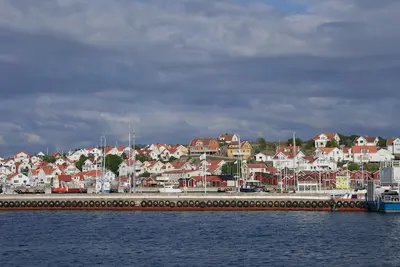
6.0 · GoodUnderrated Swedish port with world-class festivals (Way Out West, Kulturkalas), a pristine archipelago, and safety in spades. Budget travellers can manage with careful planning, while nomads and luxury seekers get a clean, design-forward city with strong connectivity and a taste of Nordic harmony.
 🇸🇪
🇸🇪Uppsala
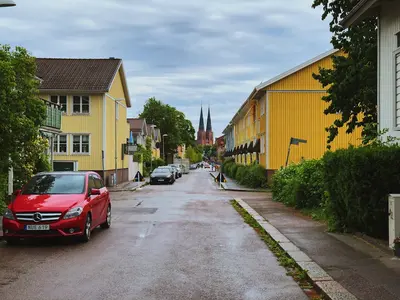
5.7 · AverageUppsala in August is a golden summer treat: the city is cheaper than Stockholm, buzzing with students returning for the autumn term, and many locals celebrate kräftskiva (crayfish parties). With its Viking-era history, leafy riverbanks, and exceptionally fast internet, it's a smart, underrated stop for backpackers, nomads, and those seeking quiet Scandinavian luxury.
 🇸🇪
🇸🇪Visby
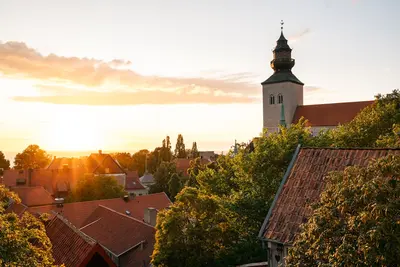
5.5 · AverageVisby's medieval walls and summer festivals make August magical. The Medieval Week just ended, but the island's food festival and late-summer concerts continue into September. Expect peak prices but unforgettable sunsets over the Baltic.
 🇸🇪
🇸🇪Malmo
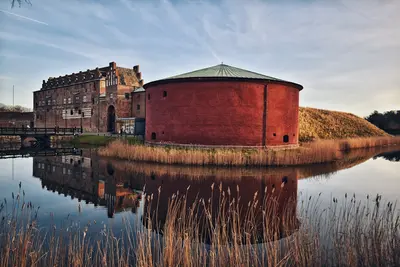
5.3 · AverageMalmo in August is buzzing with the Malmö Festival (late August), a huge free street festival with food, concerts, and culture. As a budget destination, it's not as cheap as Southern Europe, but it's the most affordable big city in Scandinavia, with great parks, beaches, and a hip Nordic vibe. Pack a jacket for cool evenings at Øresund.
 🇸🇪
🇸🇪Lappland
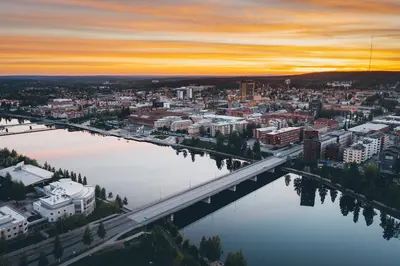
3.5 · Below AverageLappland in August is a land of the midnight sun—endless hiking, reindeer farms, and outdoor saunas. It's remote and pricey, but the raw Arctic nature is unforgettable. Winter Northern Lights are months away, but summer's 24-hour daylight offers a unique adventure.
 🇸🇪
🇸🇪Kiruna
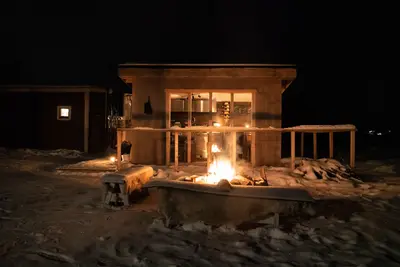
3.2 · Below AverageKiruna is Sweden's northernmost town, a bucket-list destination for aurora chasers. With the first hints of autumn lights returning and summer's endless sun fading, August offers a quiet, off-peak Arctic escape. Sámi culture, epic wilderness, and the legendary Icehotel make it unforgettable despite the steep prices.
 🇸🇪
🇸🇪Stockholm
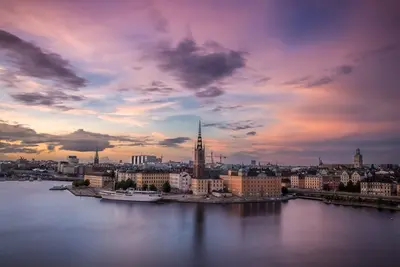
3.0 · Below AverageStockholm in August is a stunner: long golden evenings, the Stockholm Culture Festival filling the streets with music and food, and the tail end of Pride festivities. It’s pricey — hostel beds hover around $55 — but safety, cleanliness, and sheer beauty make it unforgettable. Expect a sophisticated, design-obsessed city where even budget travelers can enjoy free island hopping.