
Aarhus Travel Costs in 2026: Backpacker, Nomad & Luxury Budgets
Denmark · EuropeAarhus blends old-world charm with cutting-edge design, and the Aarhus Festuge (Festival Week) kicks off August 28th, filling the streets with free concerts and art. It's pricey but deeply rewarding, with a speedy internet and a safe, indie vibe.
Is Aarhus Expensive? The Short Answer
Yes — Aarhus is expensive. At $70 a day for backpacker travel it costs more than 87% of the 399 destinations we track.
- A short trip of 4 nights costs about $280, excluding flights.
- A week costs about $490; a month is about $2100.
- That works out at $70 a day for backpacker travel.
Living in Aarhus: Backpacker Guide for 2026
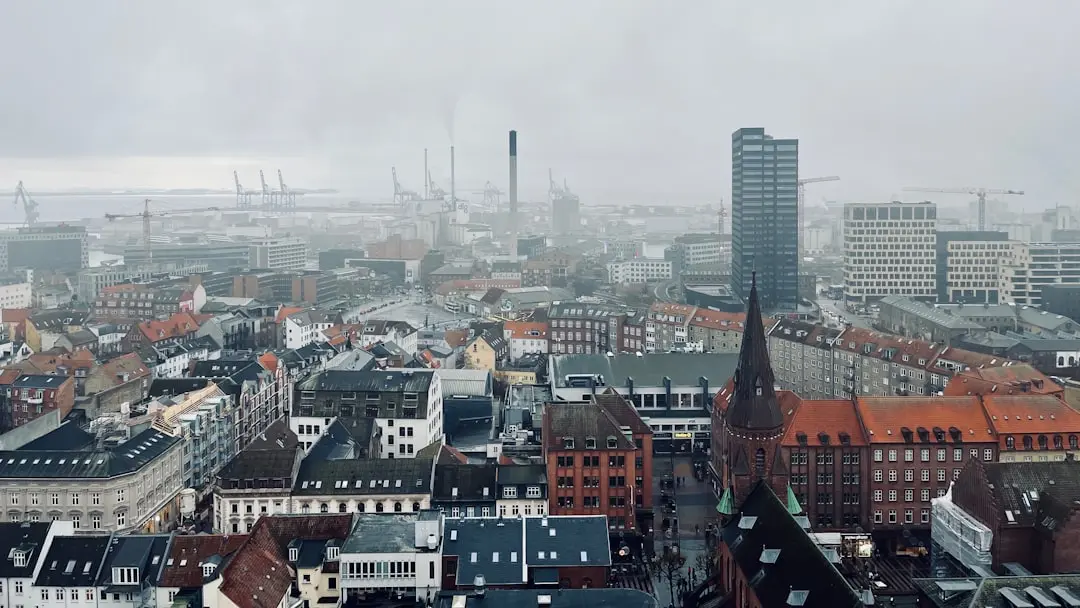
Denmark is not where budget dreams go to die, but Aarhus will test your wallet. The cultural capital of Jutland rewards slow, deliberate travel: cycle lanes everywhere, a lakeful of swimming spots, and a young, international student scene. The catch is that a pint costs the same as a hostel dinner elsewhere, so you’ll need to pick your splurges. The payoff is a city that feels absurdly calm and safe, with world-class art and a coffee culture that might justify the dent in your budget. Right now the city is gearing up for Aarhus Festuge in the last week of August, when much of the concert and street art is free.
If you’re counting every kroner, skip the downtown hostels and look at the University district around Trøjborg or the south side near Frederiksbjerg, where a bed in a shared room goes for around 300 DKK ($45). The Cabinn Express by the harbour is the cheapest no-frills option, while Danhostel Aarhus is a proper backpacker hub with self-catering kitchens. For food, hit the street-food hall at Aarhus Street Food – hot dogs and falafel from 70 DKK ($10) – or buy rugbrød, Danish cheese, and cold cuts from the supermarket and picnic in Botanical Gardens, which is free. The ARoS art museum is a must, but you can cut costs by visiting on Wednesday evenings when admission is half price. A day budget of 450-500 DKK ($65-75) works if you eat like a bird, but you can manage with less if you cook and cycle everywhere. The city is small enough that walking and the free city bikes from Swapfiets – if you have a Danish friend – save you the bus fares.
Stay in the Latin Quarter for after-dark buzz but choose a hostel a few streets away to sleep. The true budget hack is the university canteen at Studenterhuset, where a hot lunch costs 30 DKK. Another insider tip: join a free walking tour from the cathedral and you’ll discover the hidden courtyards and 17th-century houses that most tourists miss. Aarhus isn’t Southeast Asia, but with careful planning you can see the best of Denmark without a bank loan.
How Much Does Aarhus Cost? Daily and Monthly Budget
| Travel style | Day | Week | Month |
|---|---|---|---|
🎒BackpackerHostels, street food, public transport | $70/day | $490/week | $2100/month |
💻Digital NomadPrivate room, cafes, coworking spaces | $120/day | $840/week | $3600/month |
✨LuxuryHotels, fine dining, private transfers | $350/day | $2450/week | $10500/month |
Internet Speed in Aarhus for Remote Work
Where to Stay in Aarhus: Best Neighborhoods
Latin Quarter
$$The historic heart of Aarhus, with cobbled streets, half-timbered houses, and a lively mix of boutiques, cafés, and nightlife. It's the most atmospheric area, but accommodations are pricey and it can be busy during festivals.
Trøjborg
$A green, quiet residential area northeast of the centre, popular with students and young families. It offers affordable rooms and a short bike ride to the beach at Risskov.
Frederiksbjerg
$A trendy, up-and-coming district south of the centre with a mix of old and new architecture, Michelin-starred restaurants, and a local food market. It's a favourite for long-term expats and remote workers.
Aarhus Ø
$$A brand-new waterfront district with modern high-rises, harbor baths, and a handful of luxury apartments and hotels. It's pristine but still being developed, perfect for those wanting sea views.
Weather in Aarhus This Week
Pros and Cons of Living in Aarhus
Pros
- +Very safe city with low crime rates
- +Efficient and bike-friendly public transport
- +World-class museums like ARoS and Moesgaard
- +Vibrant student atmosphere and youthful energy
- +Clean, green urban planning and easy access to nature
- +Excellent coffee culture and cosy cafés
- +Less crowded than Copenhagen with a more local feel
- +Strong internet infrastructure ideal for remote work
- +English widely spoken, especially among younger people
- +Quick ferry to the island of Samsø for a day trip
Cons
- -Expensive accommodation, especially in August
- -High food and drink prices strain any budget
- -Limited nightlife options for budget travelers
- -Unpredictable rain and short summer season
- -High taxes and bureaucracy for long-term stays
- -Accommodation scarcity during the festival month
- -Alcohol is heavily taxed, making nights out costly
- -No international airport; requires connection via Copenhagen
- -Cold and dark winters can be tough for some
- -Public transport stops early on weekends
Aarhus FAQ: What Travelers Ask Most
Aarhus is very safe. The city has low crime rates, and tourists can walk around day and night. As always, stick to well-lit areas and keep an eye on your belongings in busy spots like the central station and during the festival crowds.
Summer (June-August) is the most pleasant with long days, and August also brings the Aarhus Festuge. But it's also priciest. May and September offer mild weather and fewer crowds. Winter is dark but hygge and Christmas markets.
Since Denmark is in Schengen, many nationalities can enter visa-free for up to 90 days. For stays longer than 90 days, you'll need a residence permit or work visa. Check the Danish Immigration Service for details.
Excellent. Most places have fiber, with average speeds around 150 Mbps download and 75 Mbps upload. Public wifi is also fast. Coworking spaces offer reliable connections.
Yes, but it's expensive. The infrastructure is top-notch with many coworking spaces and reliable internet. You can stay as a tourist for 90 days, but for longer, you'll need a visa or residence permit. It's a calm, productive, and safe place to work.
Aarhus isn't a classic backpacker hub, so the scene is small. However, there are affordable hostels like Danhostel and a great student atmosphere. It's easy to meet locals but less common to meet other budget travelers.
For backpackers, expect to spend $60-90 per day, mainly due to food and lodging. Nomads on a monthly budget might spend $120-150 per day. Luxury travelers should plan for $300+ per day for premium hotels and dining.
Cities Near Aarhus
The closest destinations across the border, with distance and daily cost
Best Places to Visit in Europe
Top-scoring destinations in the same part of the world.
Quick Facts
- Global Rank
- #363 of 399
- Rank in Denmark
- #3 of 4
- Region
- Europe
- Timezone
- Copenhagen
- Weather
- 8.8°C · Partly Cloudy
- Backpacker
- $70/day
- Digital Nomad
- $120/day
- Luxury
- $350/day
- Monthly (backpacker)
- $2100
- Download
- 150 Mbps
- Upload
- 75 Mbps
Score by Travel Style
Do You Need a Visa for Aarhus?
For most non-EU/EEA nationals, Denmark is in the Schengen Area, allowing visa-free stays up to 90 days. Check with the Danish Immigration Service for your specific passport.
Is Aarhus Safe?
Denmark is one of the safest countries in the world. Aarhus is particularly calm, but as in any city, keep an eye on your belongings in the central station and the Latin Quarter at night. Petty crime is low.