
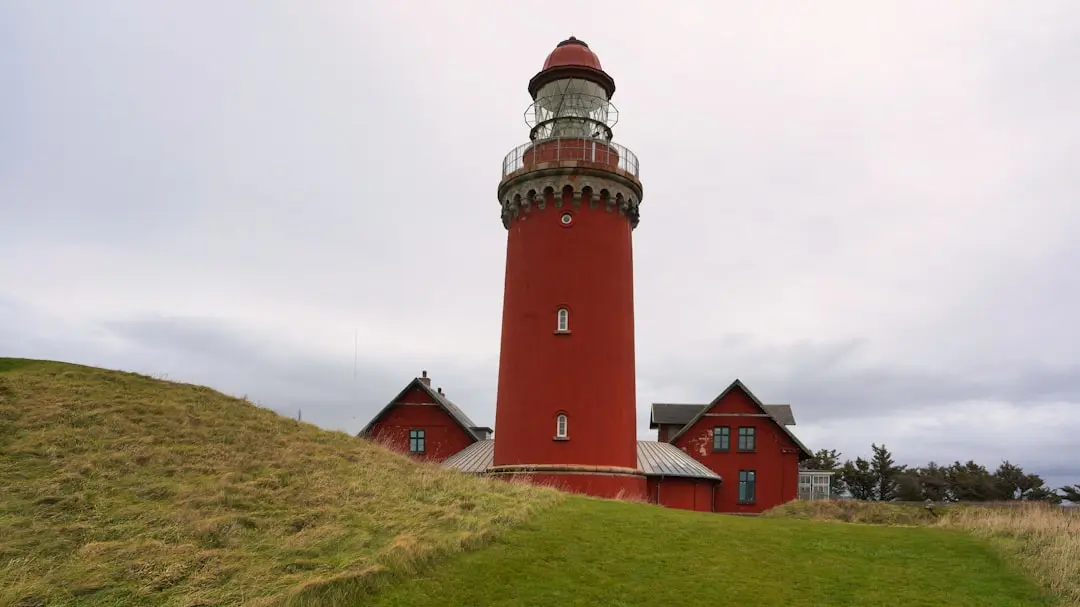
Denmark Travel Costs in 2026
Europe4 destinations to explore. Daily costs average $56 with internet speeds around 170 Mbps and a safety rating of 9.0/10.
Odense is a charming Danish city that blends Hans Christian Andersen heritage with a relaxed, bike-friendly vibe. This August, the H.C. Andersen Festivals bring free theatre and performances to the streets, making it a magical—and still very Danish—time to visit.
Copenhagen in August is a design-forward dream with Pride week (Aug 21-23) and the Copenhagen Cooking food festival on the horizon. It's pricey for backpackers, but nomads get excellent wifi and high-life quality, and luxury travelers find world-class hotels and Michelin dining. Expect harbor swims, bike lanes, and hygge sunsets.
Denmark Travel Costs at a Glance
- Denmark currently has 4 indexed destination pages on this site.
- Average daily cost for backpacker travel is about $56, with an average score of 4.0/10.
- Top-rated city is Odense and the most affordable option is Copenhagen.
- Average fixed internet speed is 170 Mbps and safety is 9.0/10 based on current dataset values.
Is Denmark Expensive?
Denmark is an expensive place to travel, and the cost figures on this page make that clear: backpackers average $56 a day, digital nomads $98, and a luxury stay $313. The reasons are structural, not just tourist inflation. Denmark has one of the highest wage levels in Europe, so the labour behind nearly everything — a restaurant meal, a taxi ride, a night of housekeeping — costs more in Danish kroner. The krone is pegged to the euro, which has stayed strong against the dollar through 2025 and 2026, so each dollar buys less than it did in the post-covid spike. On top of that, a 25% value-added tax is baked into almost every price, and Denmark imports a large share of its fresh food and wine, pushing your supermarket basket and restaurant tab well above southern Europe. The daily averages here are the result, not the surprise.
Seasonality shifts the real-world number. July is the peak, with flights from North America at their annual high. The published $56 average smooths out the summer peak, so a midsummer backpacker with a private room should plan for $70-85 a day. In May, late June, or September, the same trip drops closer to the average. Winter is the deep discount: from November to February, rooms that go for $150 in midsummer can fall below $90, and international airfares drop by a third. The tradeoff is cold, grey days and shorter museum hours.
How Much Does It Cost to Travel in Denmark?
Within Denmark, the price spread between cities is smaller than in most countries, but it exists. Copenhagen is the cheapest destination on this site at $50 per day backpacking, which is not what most people expect from a capital; Aarhus, a university city on the Jutland peninsula, is the most expensive at $70. The gap is mainly accommodation: Copenhagen has more and larger hostels, a dense budget-hotel district around the central station, and discount flights from Europe that keep beds at $30-38. Aarhus has fewer cheap rooms, and when conferences or festival weekends fill it, the few hostels can push daily costs above $80. Odense and Aalborg land roughly in between, so a realistic budget-traveller range for the country is $50-70 a day.
For a mid-range trip, plan more around the digital-nomad average of $98 a day. That covers a private room in a pension or a three-star hotel outside the centre, meals at modest restaurants, and the occasional intercity train. For a comfort-focused traveller, $150-250 a day is realistic, and the site's $313 luxury average buys harbour-view hotels and fine dining. The Copenhagen-Aarhus gap widens in July, when Copenhagen's cheapest dorm beds rise toward $40-45 and Aarhus's sell out at $55-60; travel in May or September and the two are within $10 of each other. Choose Copenhagen for the lowest costs and the best remote-work facilities; choose Aarhus if you can handle the premium.
Best Time to Visit Denmark
The best value window in Denmark runs from late May to mid-June and again through September. The weather is workable — highs of 15-20°C, long evenings, and fewer rain days than July — while hotel prices sit below summer peaks. Constitution Day on June 5 is a public holiday, and the Roskilde Festival near Copenhagen in late June to early July spikes accommodation across Zealand, so avoid that fortnight unless you have festival tickets. July is the warmest and most expensive month; the Copenhagen Jazz Festival and long school holidays push daily costs 20-30% above the published averages. If you want the $50 backpacker day in Copenhagen, do not go in July — the cheapest dorm beds start climbing by late June.
August is still busy, but the last two weeks of the month are a clear step down in price. September is the best shoulder month: reliable dry weather, fewer crowds, and Copenhagen hotel rates dropping by a third from July. The real discount runs November through February, when daylight shrinks to around seven hours and Atlantic winds blow cold. Christmas markets in late November and December cause weekend spikes in Copenhagen and Aarhus, but January and February are the cheapest months of the year for flights from North America. That is the trade — tolerable temperatures around freezing versus serious savings. For the best combination of mild weather and moderate prices, aim for late May or September.
Getting Around Denmark
Denmark is small enough that overland travel is practical between every destination on this page. The main rail operator, DSB, runs InterCity trains that connect Copenhagen with Odense in about 1 hour 25 minutes and Aarhus in roughly 3 hours. Fares booked a week ahead run $40-50 to Odense and $70-80 to Aarhus, one-way. For Aalborg, the train takes 4.5 hours and costs around $90-100. FlixBus is the budget alternative: Copenhagen to Aarhus takes about 4 hours and costs $20-30, but trains are more comfortable and get you into the city centre. The Storebælt bridge carries rail and road traffic across the Great Belt, so there are no ferry crossings on the main Copenhagen-Aarhus route.
Domestic flights make sense only for Aalborg. SAS and Norwegian fly Copenhagen-Aalborg in about 45 minutes, with fares from $60 to $120 depending on luggage and timing. Once you factor in the airport rail transfers and security time, the journey from central Copenhagen to central Aalborg is not much faster than the train. Renting a car costs $60-90 a day, and parking in Copenhagen and Aarhus is expensive and scarce; it is worthwhile only if you are exploring the Jutland coast or smaller islands like Funen. Within the cities, walking and cycling are fastest, with Metro and light-rail tickets starting around $4 per trip.
Visas, Money and Entry Rules for Denmark
Denmark is part of the Schengen Area, so passport holders from the United States, Canada, the United Kingdom, Australia, and New Zealand can enter visa-free for up to 90 days in any 180-day window. That 90-day cap covers your entire time in Schengen, not just Denmark, so if you have already spent time in other European countries in the same window, it counts against your stay. Passports must be valid for at least three months beyond your intended departure and issued within the last ten years. Danish border guards occasionally ask for proof of onward travel and accommodation, so have those details on your phone or in a folder.
The currency is the Danish krone, at about 6.5-7 kroner to the dollar in 2026. Cards are accepted almost everywhere, including street markets, so cash is rarely needed beyond a few hundred kroner. Tipping is not expected; service charges are already included in bills. The most common money trap is the ATM or payment screen that offers to charge you in your own currency — the exchange rate is usually 3-5% worse. Always select 'kroner' instead of 'dollars'. For onward travel, be aware that Lebanon and a few other countries in the Middle East refuse entry to passports bearing Israeli stamps; Denmark itself has no such rule, but this matters if you plan a multi-country route after Scandinavia.
All Destinations in Denmark
 🇩🇰
🇩🇰Odense
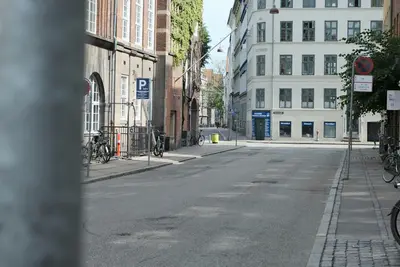
5.5 · AverageOdense is a charming Danish city that blends Hans Christian Andersen heritage with a relaxed, bike-friendly vibe. This August, the H.C. Andersen Festivals bring free theatre and performances to the streets, making it a magical—and still very Danish—time to visit.
 🇩🇰
🇩🇰Copenhagen
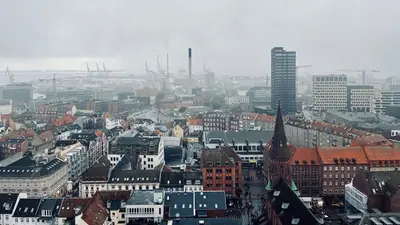
4.5 · Below AverageCopenhagen in August is a design-forward dream with Pride week (Aug 21-23) and the Copenhagen Cooking food festival on the horizon. It's pricey for backpackers, but nomads get excellent wifi and high-life quality, and luxury travelers find world-class hotels and Michelin dining. Expect harbor swims, bike lanes, and hygge sunsets.
 🇩🇰
🇩🇰Aarhus
3.0 · Below AverageAarhus blends old-world charm with cutting-edge design, and the Aarhus Festuge (Festival Week) kicks off August 28th, filling the streets with free concerts and art. It's pricey but deeply rewarding, with a speedy internet and a safe, indie vibe.
 🇩🇰
🇩🇰Aalborg
3.0 · Below AverageAalborg is a laid-back Danish city with a vibrant student energy and a scenic harborfront. In August, enjoy long summer evenings and the North Jutland coastal vibe, with the city's street food scene buzzing. It's not a typical budget stop, but its safety and culture are worth the splurge.