

Berlin in August is a raw, creative playground of street art, urban lakes, and endless techno. With Berlin Atonal wrapping and September bringing Berlin Art Week, galleries and museums stretch their hours. Hostel digs stay lively, rents remain sane, and luxury is surprisingly affordable for a capital this edgy.
Berlin in August is a raw, creative playground of street art, urban lakes, and endless techno. With Berlin Atonal wrapping and September bringing Berlin Art Week, galleries and museums stretch their hours. Hostel digs stay lively, rents remain sane, and luxury is surprisingly affordable for a capital this edgy.
Germany Travel Costs at a Glance
- Germany currently has 4 indexed destination pages on this site.
- Average daily cost for backpacker travel is about $53, with an average score of 5.5/10.
- Top-rated city is Berlin and the most affordable option is Berlin.
- Average fixed internet speed is 150 Mbps and safety is 8.8/10 based on current dataset values.
Is Germany Expensive?
Germany is flat-out expensive by global standards, but it earns its price tag with near-perfect transport, clean cities and a strong currency. The euro trades high against the dollar, operating costs are steep, and a national labour force earns relatively high wages, so the bill lands on travellers. Expect to pay about $53 per day as a backpacker, $89 as a digital nomad, and $345 if you want luxury comfort.
That $53 is a real, grinding budget: a hostel dorm, one meal in a budget kebab shop, and a transport day pass. It means you will be checking prices twice and skipping the sit-down dinner. The $89 gives you a private Airbnb room, regular restaurant dinners, and unbeatable train connectivity. The $345 buys four-star hotels, long-haul taxis, and fine dining in Berlin or Munich. Tourism infrastructure is world-class—hostels, rail passes, and free walking tours—which helps you control costs if you plan well. But the base price of ingredients, staff and real estate is high, so cheap-end eating is never as cheap as in Eastern Europe or Spain. Germany is not a bargain destination; it is a reliability destination where your money buys efficiency and comfort.
How Much Does It Cost to Travel in Germany?
Within Germany, the price spread is real but not wild. Berlin is the cheapest destination this site publishes, at about $45 per day for backpackers, while Munich runs $60 per day. That 33 percent gap comes from housing costs, tourism demand and local wages. Munich is a wealthy southern business hub with a festival calendar that inflates prices; Berlin is a sprawling, low-rent capital where street food and hostel stock keep budgets down.
A realistic daily budget for a backpacker is $45–60 depending on the city; for mid-range travellers working on private rooms with breakfast and occasional restaurants, $120–150 is comfortable. If you want comfort—quality hotels, taxis, guided excursions—plan on $200–280 per day. Those ranges sit on top of the site's average figures, and they hold in all seasons except when events like Oktoberfest (Munich) or Christmas markets (everywhere) push lodging up 30–50 percent. If you can, route your trip through Berlin and the smaller eastern cities to stretch your budget, then save Munich for a shorter splurge.
Best Time to Visit Germany
April through May and September through October are the real value windows. The weather is mild—10–20°C—with the spring shoulder seeing fewer crowds and lower hotel rates than summer. June to August is peak: expect short sleeves, outdoor beer gardens, and accommodation prices 30–50 percent above shoulder season. July is also holiday month, so beaches and hostels fill with Europeans. May can still be cool and rainy, but it is a bargain month.
December brings Christmas markets, and while the atmosphere is magical, hotel prices spike across Munich, Berlin and Nuremberg, and cold, grey days are normal. November is the true dead zone—damp, dark, cheap—with many outdoor attractions shuttered. Oktoberfest lands in Munich from mid-September to early October, and it is the single biggest price spike in the country: a bed in a dorm can double to $60–80 a night. For a balance of price and pleasantness, plan your core sightseeing for late spring or early autumn, and avoid Christmas market weekends if you are on a strict budget.
Getting Around Germany
The fastest way between Germany's published destinations is the Intercity-Express (ICE) rail network. Berlin–Hamburg takes about 1 hour 50 minutes, Frankfurt–Berlin around 3.5 hours, and Munich–Berlin about 4 hours. Book a few weeks in advance and a one-way ICE ticket ranges from $30 to $80; buy last-minute and pay $150–200. Flights are rarely worth it for the time saved—a Berlin–Munich hop takes the same time as the train once you factor in security—but budget carriers like Ryanair and easyJet occasionally offer $40–80 flights between the big airports.
Long-distance bus lines (FlixBus) are the budget winner: Berlin–Hamburg starts around $15, and Berlin–Munich can dip to $30 if booked early. Rail passes like the Eurail Germany Pass give flat-rate travel but seldom undercut advance-purchase tickets on the busiest corridor. Renting a car is practical for rural trips and the Romantic Road, but fuel, parking and one-way fees add $30–50 per day. For the core four cities, stay on rail; for off-map towns, consider a shared car or bus.
Visas, Money and Entry Rules for Germany
Schengen is the rule: US, Canadian, UK and Australian passport holders enter visa-free for 90 days within any 180-day period, and as of 2026 must also hold an ETIAS travel authorisation. Most other nationalities need a Schengen visa; apply at the German embassy up to six months ahead.
The currency is the euro, and cards are accepted almost everywhere, even for a single coffee at a chain café. Not everywhere: smaller bakeries, farm shops and some market stalls are cash-only, so keep €30–50 on you. Tipping is polite but not required: a rule of thumb is to round up to the nearest €5–10 in a restaurant and add 5–10% for good service. ATMs are the cheapest way to get cash—avoid airport exchange desks, which charge 5–8% on each transaction. A common catch: many hotels ask for a credit-card imprint at check-in, but the hold can linger for days; bring a card with no overseas fee to avoid surprises. Germany is one of the easiest countries in Europe for entry, but do not overstay that 90-day window—the fine is €1,000–5,000 and can lead to a Schengen ban.
All Destinations in Germany
 🇩🇪
🇩🇪Berlin
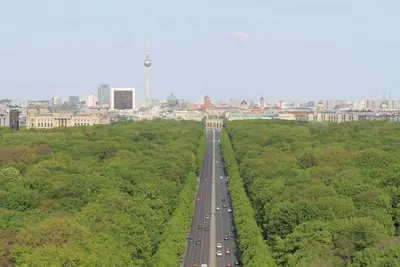
6.5 · GoodBerlin in August is a raw, creative playground of street art, urban lakes, and endless techno. With Berlin Atonal wrapping and September bringing Berlin Art Week, galleries and museums stretch their hours. Hostel digs stay lively, rents remain sane, and luxury is surprisingly affordable for a capital this edgy.
 🇩🇪
🇩🇪Hamburg
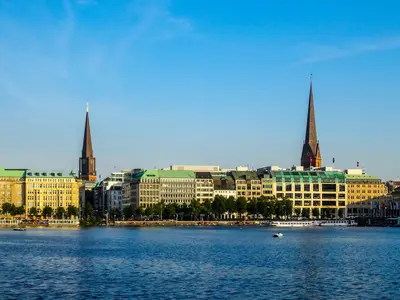
6.0 · GoodHamburg is a vibrant port city that blends maritime history with modern architecture. In August, the Alstervergnügen and MS Dockville festivals fill the city with music, food, and lakeside fun. It's safe, multi-faceted, and offers great value for everything from hostel nights to five-star escapes.
 🇩🇪
🇩🇪Munich
4.8 · Below AverageMunich blends Bavarian tradition with modern sophistication. While it's pricier than many backpacker haunts, its safety, beer gardens, and proximity to the Alps make it a memorable stop. The upcoming Oktoberfest (starting in September) transforms the city into a global party — book accommodation early.
 🇩🇪
🇩🇪Frankfurt
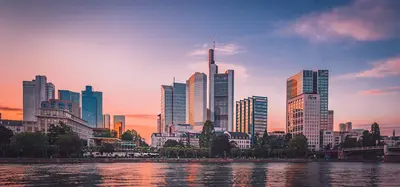
4.5 · Below AverageFrankfurt is often overlooked by budget travelers, but its excellent transport links, lively summer festival scene (including the Museumsuferfest in late August) and a surprising amount of free culture make it a great two-day stopover. It's safe, fast and easy to navigate, though not the cheapest city in Germany. Just remember to bring a bottle of Apfelwein.